
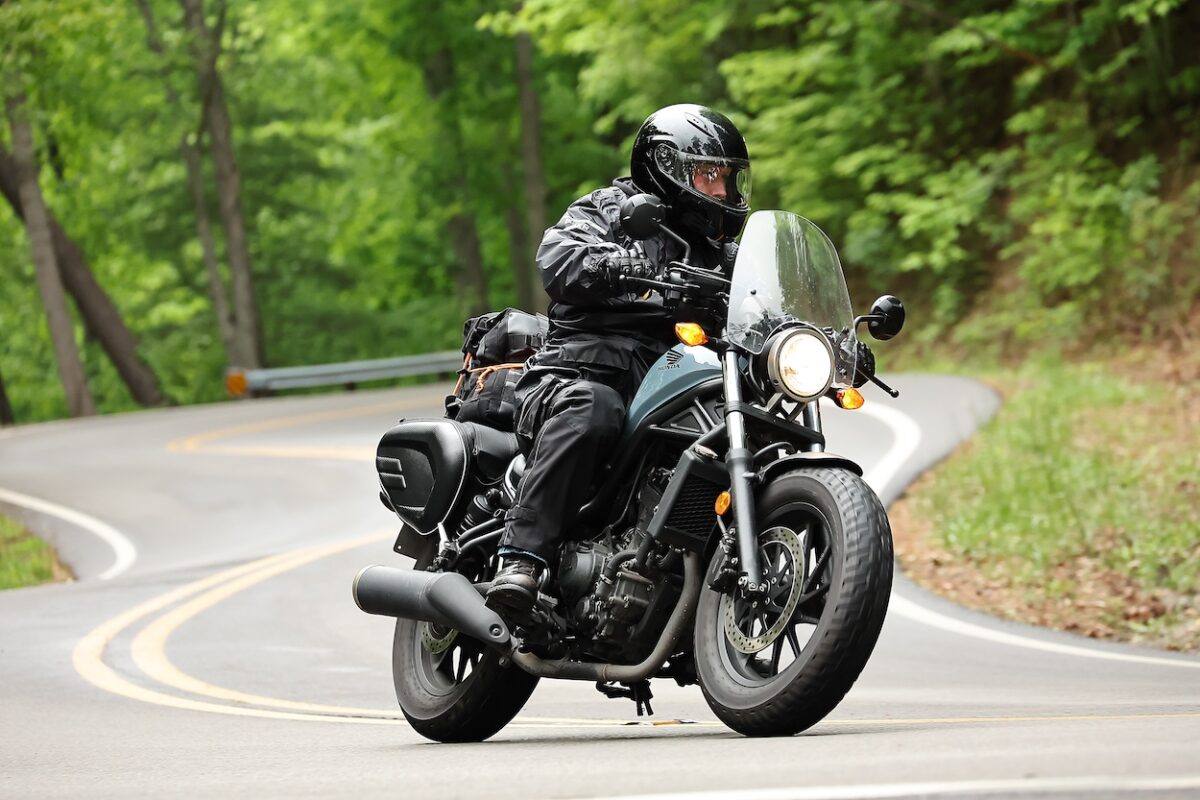
There’s something that happens when you swing a leg over the bike and head out alone to go solo motorcycle riding. No group pace to keep. No one to check on. Just you, the machine, and whatever road you pointed yourself at.
A lot of riders talk about it but struggle to explain it. That feeling after a long solo ride where your head is cleaner than it was when you left. Where whatever was eating at you an hour ago feels smaller now, or at least more manageable.
Turns out, there’s actually science behind that feeling. But honestly, most of us figured it out long before any researchers did.
Your Brain on a Motorcycle
A study often cited by the moto community found that just 20 minutes on a motorcycle can meaningfully reduce stress hormones, increase alertness, and improve your overall mood. The researchers described riding as a form of “focused attention” — which is basically what meditation teachers have been trying to sell people on for decades, just without the two wheels.
When you’re riding, you’re not multitasking. You can’t be. You’re watching the road, reading traffic, feeling what the bike is doing underneath you, managing your throttle and brakes. Your brain is fully occupied in the best possible way. The stuff that’s been looping in your head — work, money, that weird thing someone said on Tuesday — it doesn’t get bandwidth anymore.
Riders know this as the “clear head” effect. Scientists call it cognitive engagement. Either way, it works.
Why Solo Is Different
Group riding is great. There’s a sense of community and shared purpose that’s hard to find anywhere else. But solo riding hits differently.
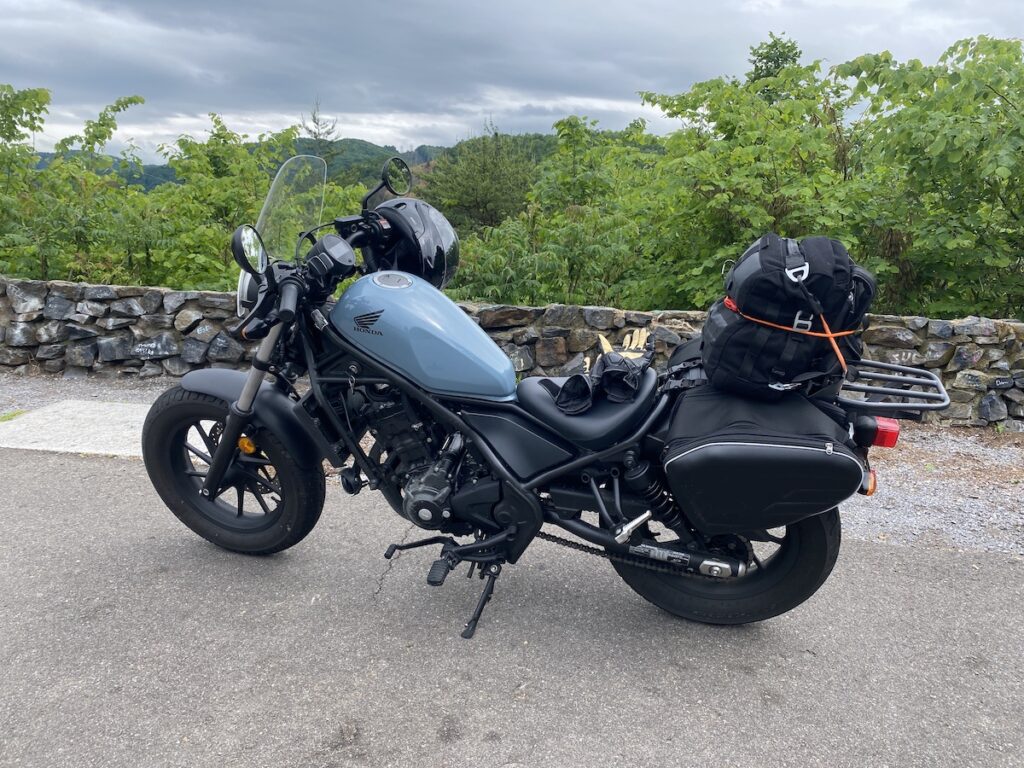
When you’re riding alone, you set the pace. You stop when something looks interesting. You take the long way without explaining why. You don’t have to perform being okay — you can just ride through whatever you’re carrying and let the miles do the work.
There’s also an honesty to solo riding. It’s just you and the road, and the road doesn’t care what you’re dealing with. That kind of indifference is oddly comforting.
A lot of riders report that solo trips — even short ones, even just an hour after work on a Tuesday — function as a reset. You leave with a cluttered head and come back with a cleaner one. That’s not nothing. That’s actually a lot.
The Gear That Makes It Better
One thing that makes solo riding more comfortable, especially on longer runs, is having the right setup so you’re not fighting your bike the whole time.
A good tank bag lets you keep the basics close without loading up a backpack. Water, snacks, phone, small essentials — it makes solo day rides feel a lot more self-contained.
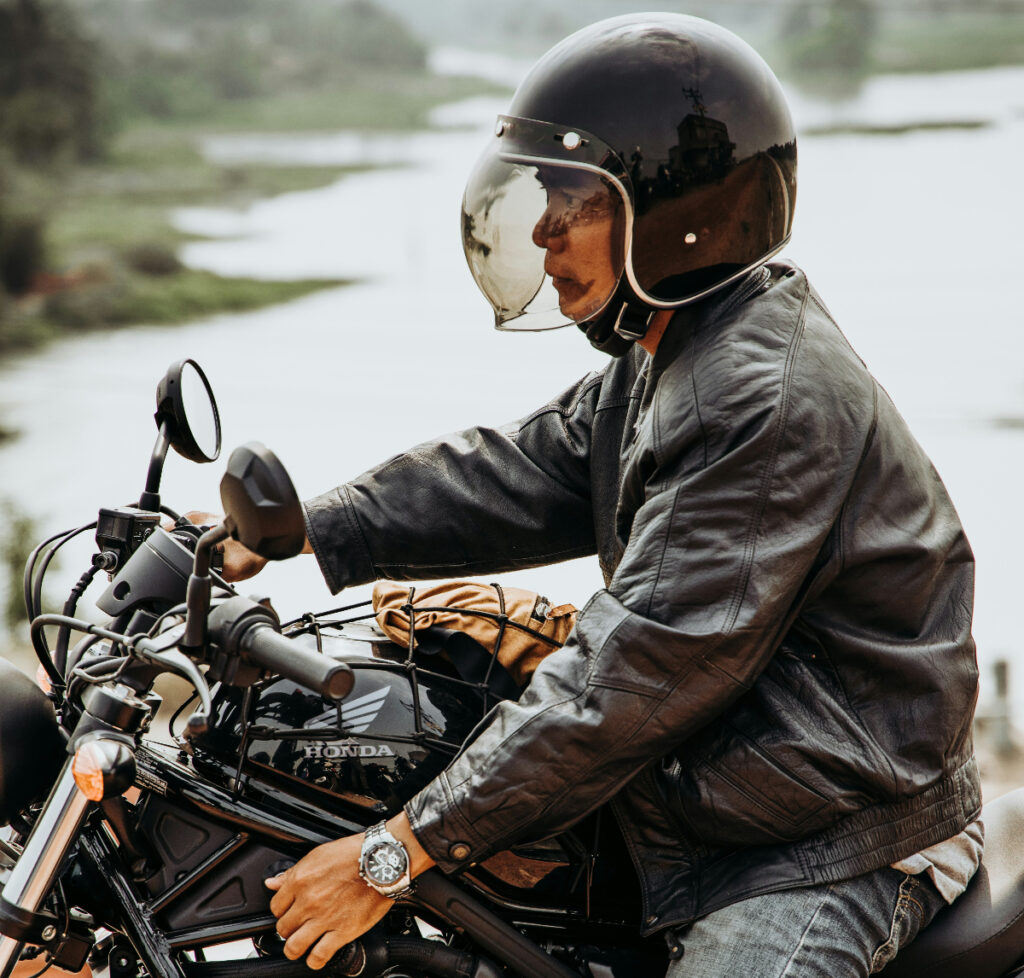
If you like music or podcasts on longer solo stints, a solid Bluetooth headset makes a difference. Some riders prefer silence — and honestly that’s probably more therapeutic — but having the option is nice.
And if you’re the kind of person who processes things by writing, a motorcycle journal or ride logbook is worth keeping in your bag. Jotting down where you went, what you saw, how you felt — it sounds a little woo-woo until you flip back through six months of entries and realize how much you’ve worked through out there.
You Don’t Need a Destination
This is maybe the most underrated part of solo riding as a mental health tool: it doesn’t require a plan.
That’s actually the opposite of most things in life, where having no plan is a problem. On a bike, heading out with a vague direction and no agenda is kind of the whole point. You can follow a road because it looked good from the intersection. You can stop at a diner you’ve never heard of. You can turn around whenever you feel like it.
That low-stakes freedom is genuinely good for your nervous system. There’s no wrong answer. You’re just riding.
The People Who Get It
If you’ve tried explaining this to a non-rider, you probably ran into a wall. They hear “solo motorcycle trip” and think about the risk, the weather, the logistics. They don’t quite get why someone would choose to be alone on a highway when they could just take a nap or watch something on TV.
But riders understand. There’s a reason the phrase “I need to go for a ride” means something specific in this community. It’s not just transportation. It’s not even just recreation. It’s a way of taking care of yourself that happens to involve an engine and a helmet.
If you haven’t leaned into solo riding intentionally — not just as a commute or a way to get somewhere, but as something you do for yourself — it might be worth trying. Pick a weekday morning, point yourself somewhere with good roads, and see what happens. Your head will probably thank you for it.
