
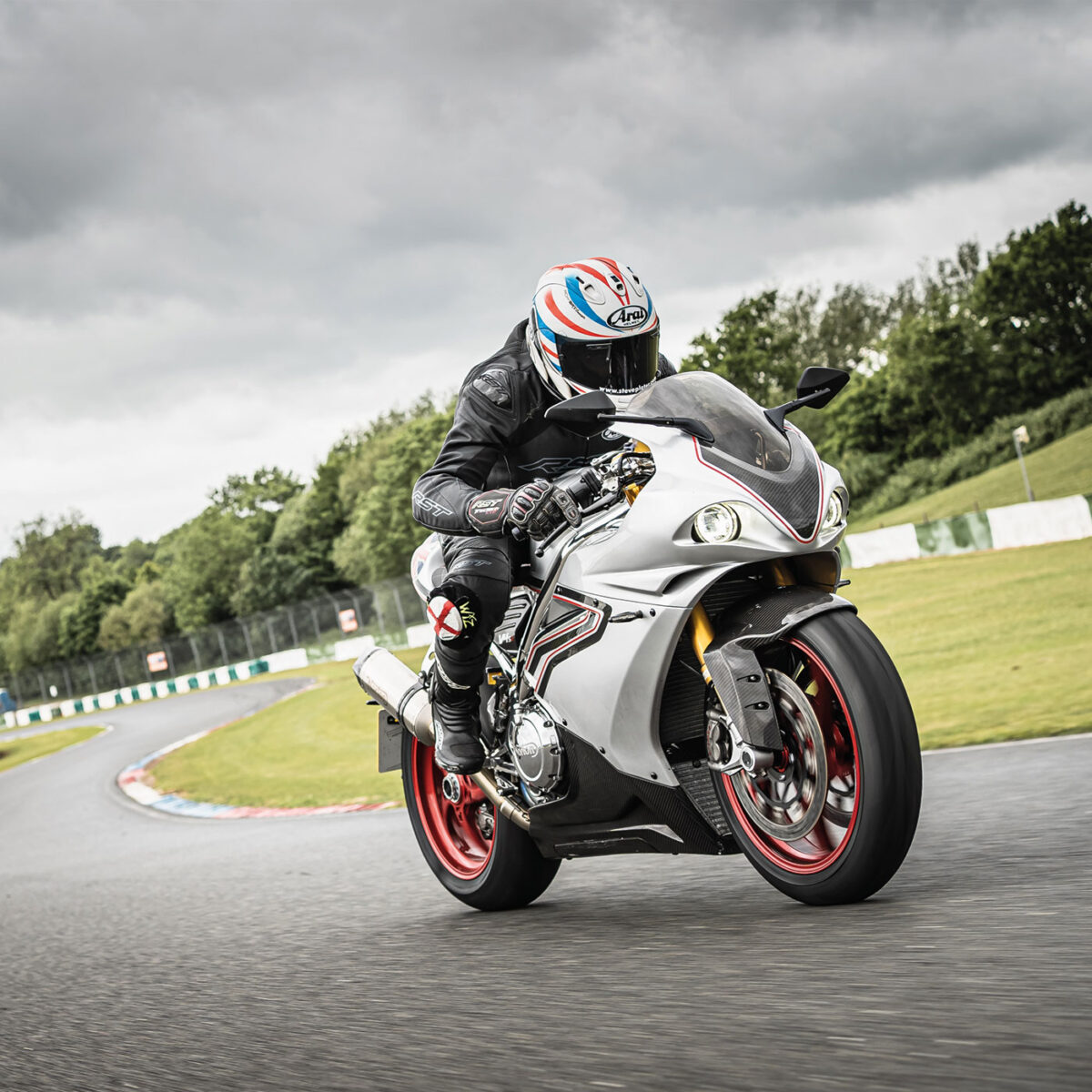
Buying a motorcycle jacket is one of those decisions that actually matters. Get it wrong and you either end up with something that sits in the closet because it’s uncomfortable, or something that looks great but won’t protect you when you need it to. Get it right and you’ll wear it every ride without thinking about it.
Here’s what to focus on.
Protection Has to Come First
A motorcycle jacket has one job above everything else: protect you in a crash. That means two things: abrasion resistance and impact protection.
Abrasion resistance is about the material holding together when you slide across pavement. Leather is still the gold standard here. A quality cowhide jacket will outperform most textiles in a slide. That said, high-denier textile jackets (600D and above) have closed the gap significantly, and some modern materials like Cordura hold up very well.
Impact protection comes from the armor inside the jacket. Look for CE-rated armor at the shoulders, elbows, and back. CE Level 1 armor is the baseline — it absorbs impact and transmits less than 18 kN of force to your body. CE Level 2 armor cuts that in half, transmitting no more than 9 kN. For most riding, Level 1 is adequate. For sport riding or anyone who wants maximum protection, Level 2 is worth the upgrade.
Back protection is worth a special mention. A lot of jackets come with a thin foam pad in the back pocket that meets the minimum CE standard but doesn’t offer much real protection. If you’re buying a jacket with back armor, check the rating. If it’s just a foam insert, consider upgrading to a proper CE Level 1 or Level 2 back protector.
Pick Your Material Based on How You Ride
The right material depends on your riding style, your climate, and how often you’ll actually wear the jacket. There’s no universally correct answer here.
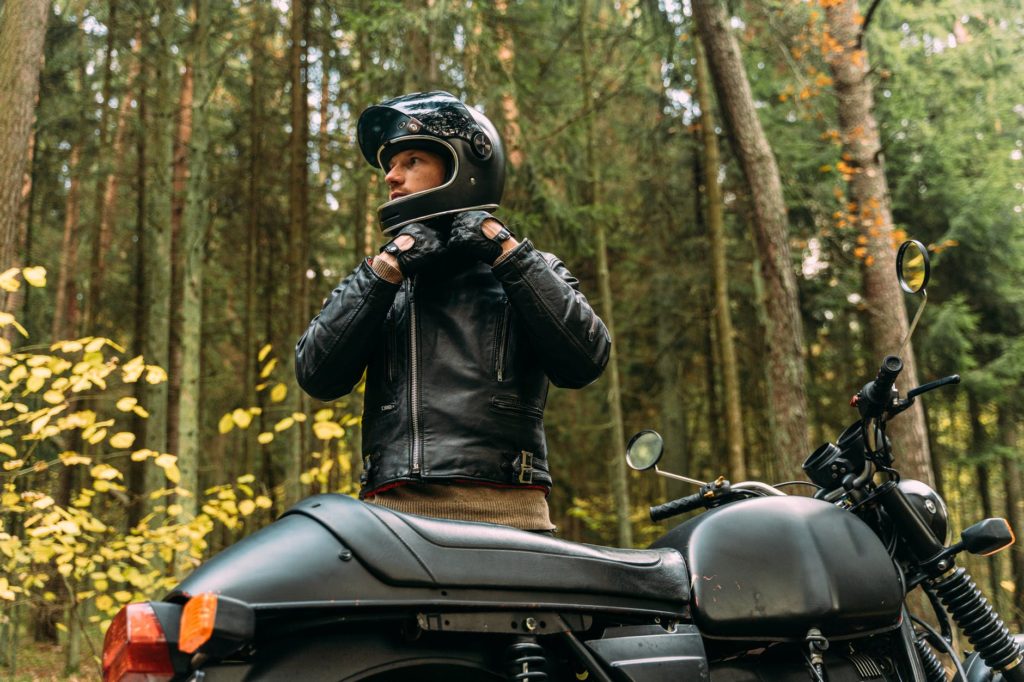
Leather offers the best abrasion resistance and has a long track record. It molds to your body over time, looks good for years, and handles low-speed crashes well. The downsides: it gets hot, doesn’t breathe, and takes some breaking in. Best for riders who prioritize protection and style, or for cooler climates.
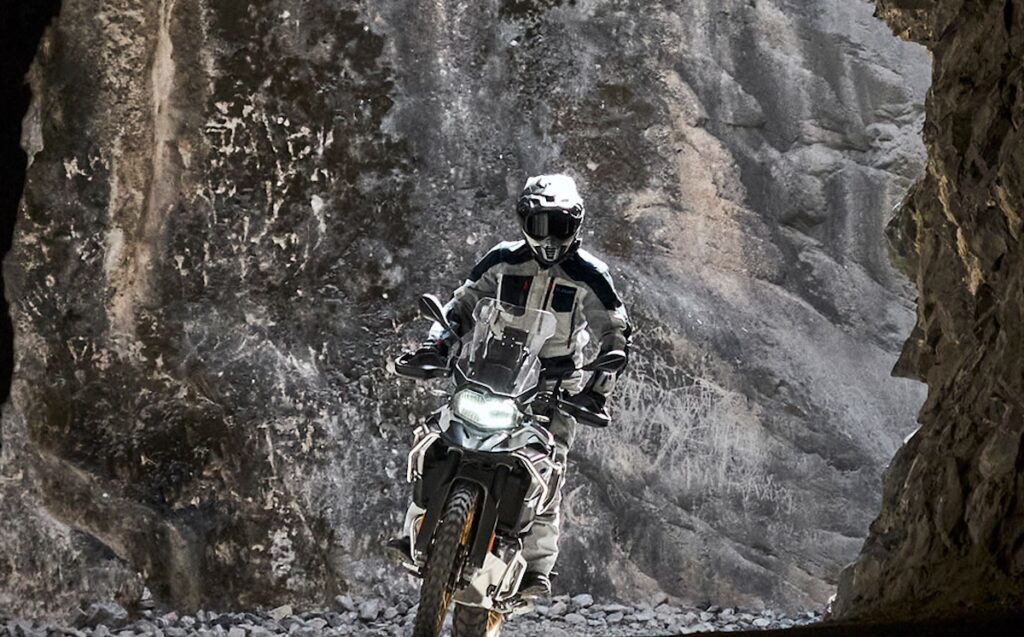
Textile jackets cover a huge range of quality and price. The good ones are waterproof, have zip-in liners for cold weather, and ventilate well. They’re versatile for year-round riding. The tradeoff is that abrasion resistance varies widely by denier and construction — a cheap textile jacket is not a safe jacket.
Mesh is the hot-weather solution. Airflow is excellent and these jackets are far more comfortable than leather or textile in summer heat. Protection is more limited — most mesh jackets won’t hold up in a serious slide the way leather or heavy textile will. That said, a good mesh jacket with CE armor is still dramatically better than riding in a hoodie.
Fit Changes Everything
A jacket that fits wrong won’t protect you correctly. Armor that sits off your elbow or shoulder won’t absorb the impact where you need it to.
A few things to check when trying one on:
- The shoulder armor should sit directly on your shoulder joint, not above or below it
- The elbow armor should land on your elbow, not ride up your forearm
- The jacket shouldn’t ride up when you reach forward in a riding position — test this in the store
- There should be enough room to layer under it in cold weather without bunching
- The cuffs should overlap your gloves, not leave a gap
Fit also affects whether you’ll actually wear the jacket. If it’s uncomfortable on a 30-minute commute, it’ll stay on the hook. A jacket you wear is infinitely better than a jacket you don’t.
Think About Weather and Seasons
Most riders don’t buy a jacket for one type of weather and stick to it. Think about the conditions you actually ride in.
If you ride year-round, you need a jacket designed for all seasons. A jacket with a removable thermal liner and good ventilation is hard to beat. You can zip out the liner for summer and zip it back in when the temperature drops. Many textile and mesh-over-textile jackets are designed exactly for this.
If you’re a fair-weather-only rider and you live somewhere hot, a mesh jacket or vented textile jacket might be the right call even if it means slightly less protection. A jacket that’s too hot to wear is no jacket at all.
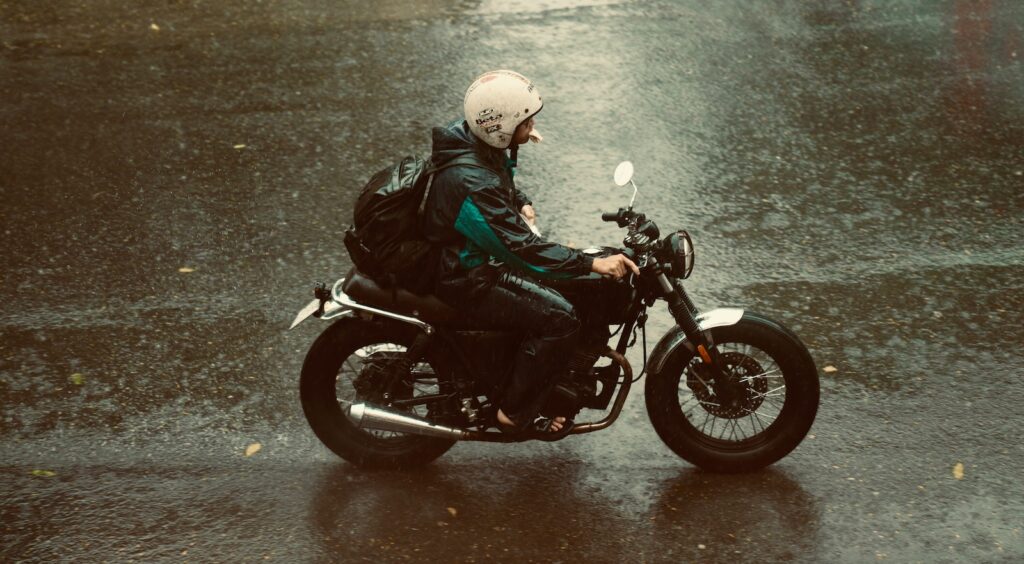
Waterproofing matters more than people think. Even if you don’t plan to ride in the rain, a waterproof jacket is warmer and more versatile. Some jackets are waterproof by construction; others use a zip-in waterproof liner. Both work — just know what you’re getting.
Features Worth Paying Attention To
Once you’ve got the basics sorted, these features separate a good jacket from a great one:
- Jacket-to-pants connection zipper — keeps the jacket from riding up in a crash. Worth having.
- Reflective panels — visibility at night matters, especially on a bike
- Pockets — a jacket with useful pocket placement beats one without, especially for longer rides
- Adjustable fit — waist straps, sleeve adjusters, and collar closures let you dial in the fit across conditions
- Ventilation zips — on textile jackets, front chest vents and exhaust vents on the back make a real difference in heat management
How Much to Spend
You don’t need to spend a fortune, but the floor matters. A $60 jacket from a no-name brand is not a motorcycle jacket — it’s a costume. Expect to spend at least $150 to $200 for a textile jacket with legitimate CE armor and decent construction. Leather jackets with real protection start around $200 to $300 for entry-level.
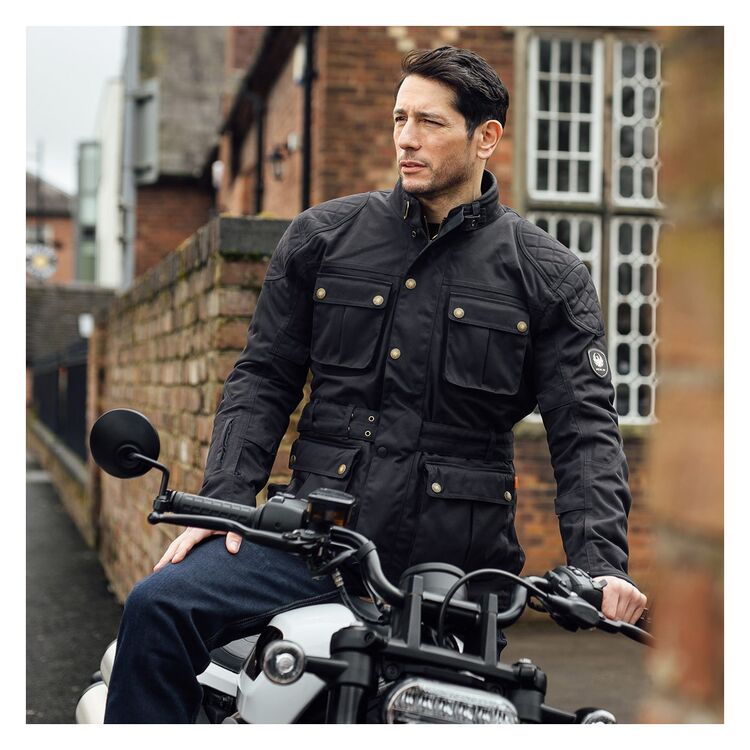
The sweet spot for most riders is $200 to $500. Above that you’re getting into premium materials, better construction, and more features — all real improvements, but not necessary for everyone.
Where to Start
If you’re not sure where to begin, here are a few roundups that break down specific recommendations by riding style:
- 4 Best Motorcycle Jackets Overall
- Best Textile Motorcycle Jackets
- Best Touring Motorcycle Jackets
- 15 Best Sportbike Jackets
Check out jackets at Amazon
Check out jackets at Revzilla
