
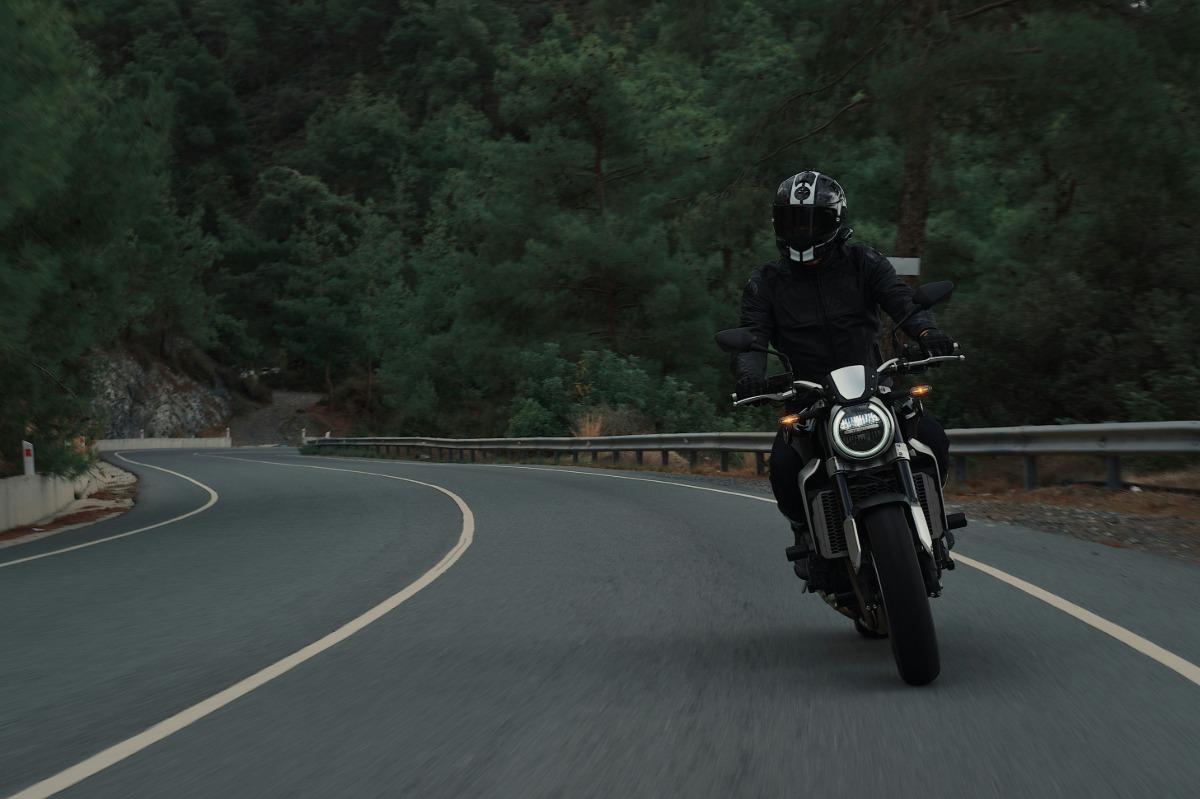
Most riders remember their first long solo ride pretty clearly. Not the whole thing, necessarily, but the feeling of it. Road trips are special.
The moment when the last familiar landmark dropped behind you and you were just out there, on your own, going somewhere on your own terms. Something shifts in that moment that’s hard to describe and harder to forget. If you haven’t done one yet, here’s what to expect.
The First Hour Is the Hardest
This surprises people. The first hour tends to feel slightly uncomfortable, not dangerous, just mildly unsettling.
You’re aware that you’re alone. There’s no one to check in with about the route, no one to wave over when you’re not sure about the next turn, no one to pull into a gas station with when the weather looks uncertain.
That awareness fades. Usually by hour two, sometimes sooner. The bike takes over as your company in the way that it does and the solo-ness stops being something you’re thinking about and starts being something you’re simply in.
What Happens in the Middle Hours
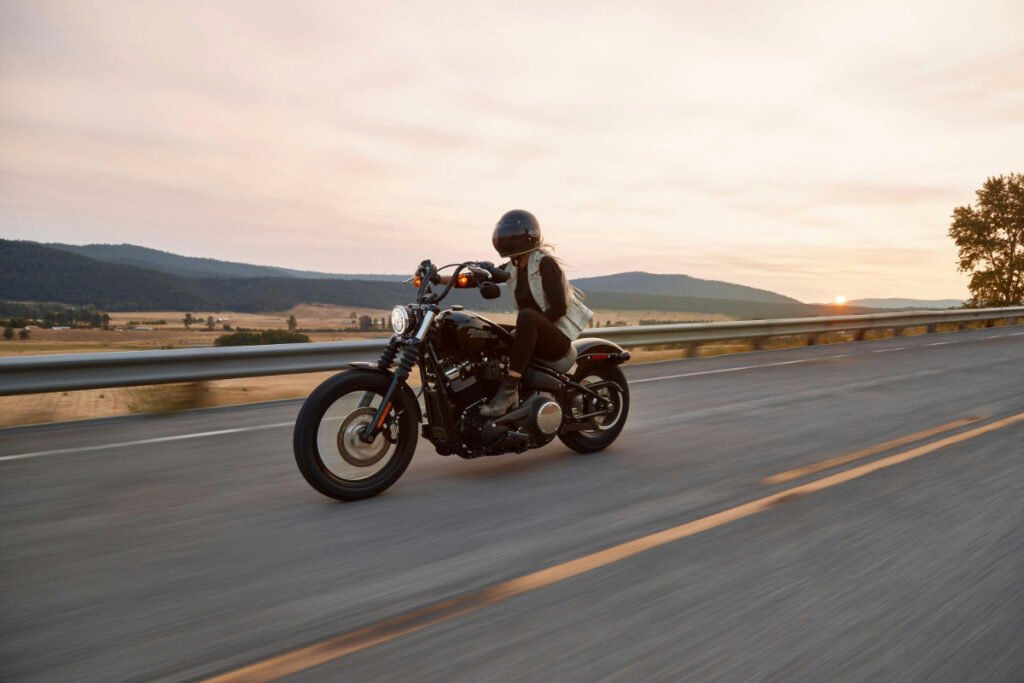
This is the part that keeps riders coming back. Somewhere in the middle section of a long solo ride, the mental state shifts into something quieter and sharper at the same time.
The thinking that happens in this phase is different from the thinking that happens at a desk or in a car. Clearer. Less reactive. Problems that felt tangled sometimes resolve themselves without any conscious effort.
A lot of riders describe making some of their best decisions on long solo rides. Career things, relationship things, life-direction things. The road creates a specific kind of mental space that’s hard to access any other way, and being alone in it, without the social layer of a group ride, amplifies it considerably.
You’ll Stop More Than You Think
Solo riding gives you full permission to stop whenever something looks interesting.
No group to keep up with, no schedule set by someone else’s pace. That diner that looks good from the road? Stop. That overlook with the view? Stop. The weird little roadside museum that you’d never suggest to a group but are genuinely curious about? Stop.
This is one of the best things about riding solo. The trip becomes entirely yours. The stops, the detours, the pace, the lunch, the gas station, all of it follows your instincts and nobody else’s. Most will discover that their instincts are pretty good.
Be Prepared Without Being Anxious
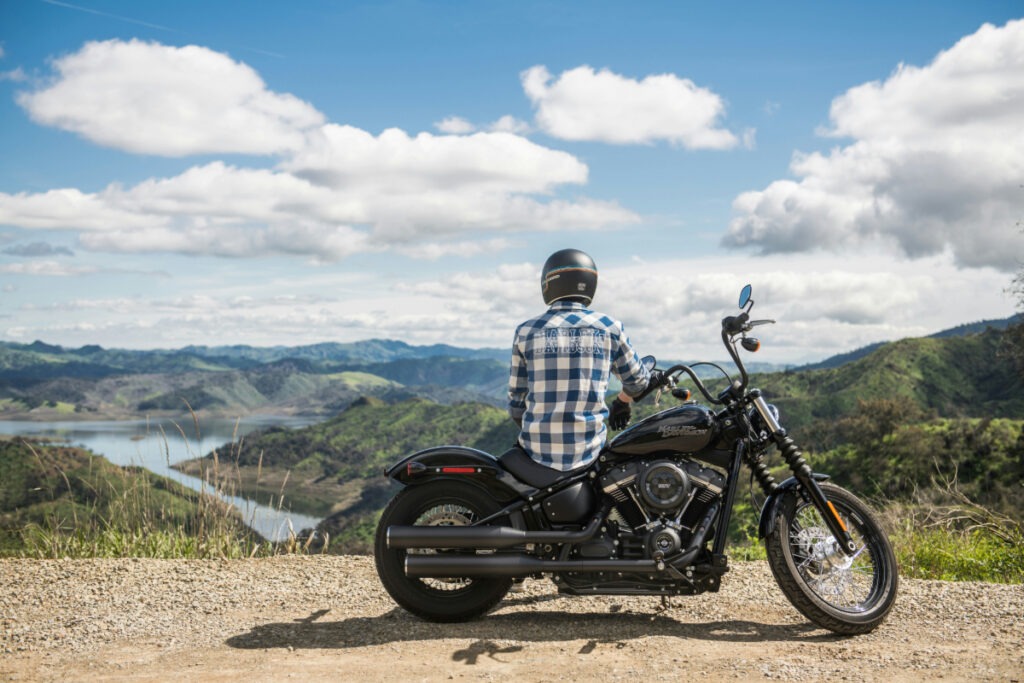
Solo means no backup if something goes wrong. A flat tire, a mechanical issue, a drop on a gravel road. These happen and they’re more complicated alone than with a group. In the group you have a slew of helping hands.
A motorcycle roadside emergency kit with a tire plug kit, basic tools, and a tire inflator handles the most common issues. A tail bag with your essentials and a rain layer means you’re not scrambling if conditions change. If you’re still sorting out what to bring, the guide on what motorcycle travel teaches you about packing light is worth reading before you head out.
Know your bike’s failure points. Have your roadside assistance number ready in your phone. Tell someone where you’re going and when you expect to be back. That’s a reasonable level of preparation, not paranoia.
Why It Matters
The first long solo ride tends to change something in how riders think about motorcycling. Before it, riding is something you do. After it, it’s something you know you can do, on your own terms, for as long and as far as you decide. That’s a different relationship with the bike and the road.
Most riders who’ve done one big solo trip come back with plans for the next one before the first one is even over. I know I did.
For the mental side of what happens on a long ride, the brain on a long ride piece covers the science behind what you’ll likely experience. And the solo riding therapy piece gets at the emotional dimension from a different angle. Enjoy the ride!
