
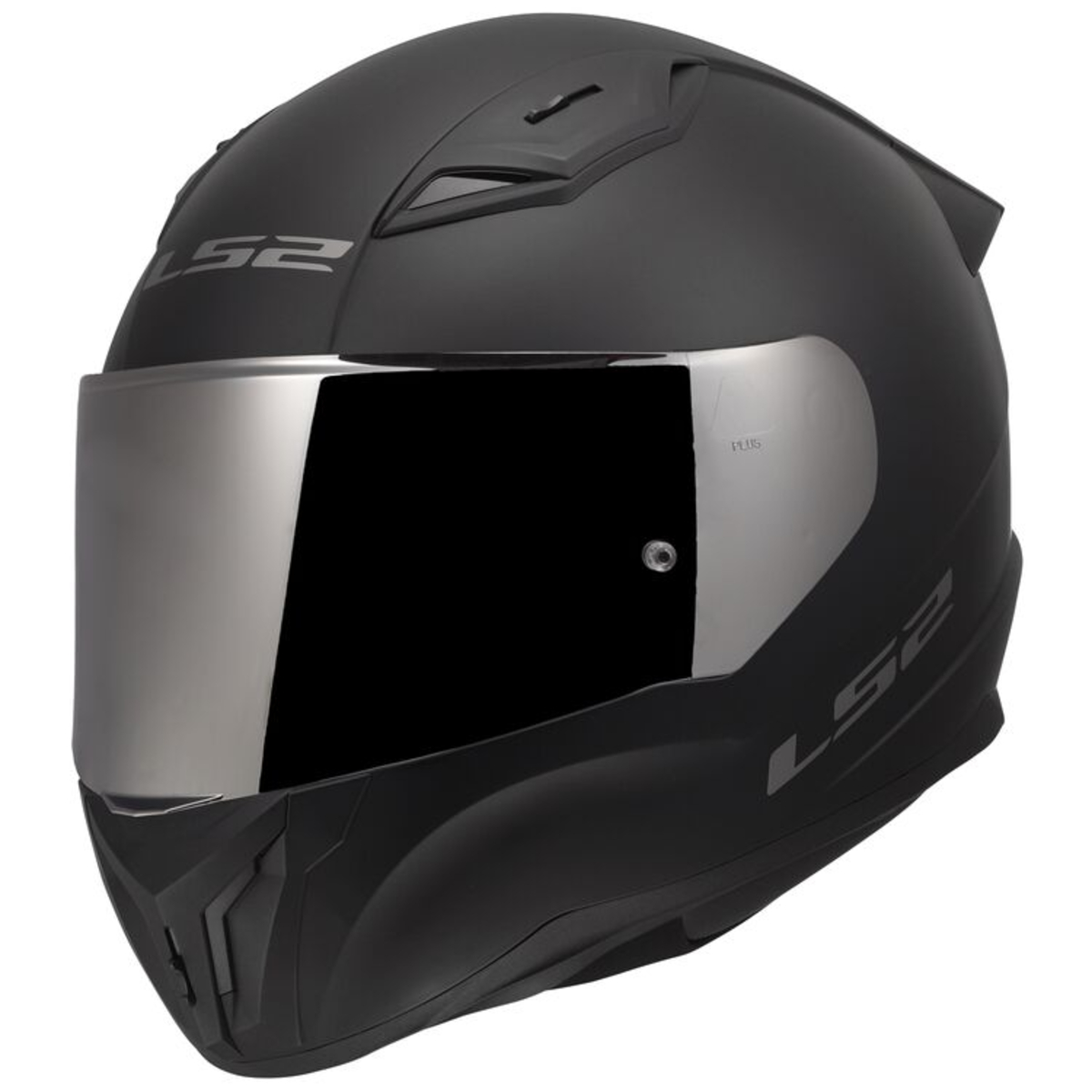
The LS2 Centric Helmet. This helmet falls into the full-face helmet category, designed for riders who navigate various roads, from paved roads, and desire a helmet that can work for a variety of street riders.
The LS2 Centric with its Mirror Silver Shield is built for riders seeking a helmet with integrated sun protection and effective ventilation. It aims to provide a comprehensive solution for adventure touring.
Check it out at Amazon
Check it out at Revzilla
While some may cling to the nostalgic allure of yesteryear’s gear, the LS2 Centric helmet emerges as a compelling statement from the contemporary age, blending pragmatic design with advanced materials for the modern commuter and urban explorer. This is not your grandfather’s helmet. This is a testament to progress, a calculated blend of utility and protection.
Shell Construction and Fit
At the heart of the Centric’s formidable defense is its shell, meticulously constructed from LS2’s proprietary Kinetic Polymer Alloy, or KPA.
- This innovative composite material, a marvel of contemporary engineering, strikes a commendable balance between lightweight characteristics and robust impact resistance.
- It is a shell designed to flex under duress, effectively dispersing energy across its surface, a critical attribute for mitigating the rigors of an unforeseen encounter with the pavement.
- The helmet’s design, an “intermediate oval” fit, caters to a broad spectrum of cranial anatomies, ensuring a snug yet comfortable embrace for the rider.
- Furthermore, the Centric is produced in three distinct shell sizes, a thoughtful consideration that allows for a more tailored fit and a more proportionate aesthetic across the available size spectrum, from Extra Small to the expansive Triple Extra Large.
Interior and Safety Technologies
Within this protective outer shell lies a multi-density Expanded Polystyrene (EPS) liner.
- This crucial layer, often unseen but always at work, is designed with varying densities to optimize energy absorption across different impact scenarios.
- LS2 has also integrated its Advanced Rotational Energy Management (AREM) technology, a system aimed at reducing rotational forces transmitted to the brain during certain impacts – a forward-thinking advancement in rider safety.
- Comfort is not overlooked, with removable and washable interior padding crafted from technical fabric that actively wicks moisture, promoting a cooler and drier experience.
- The cheek pads, precisely cut using 3D laser technology, are designed to contour to the rider’s face, aiming for a pressure-free fit that endures through extended journeys.
Visor Systems and Ventilation
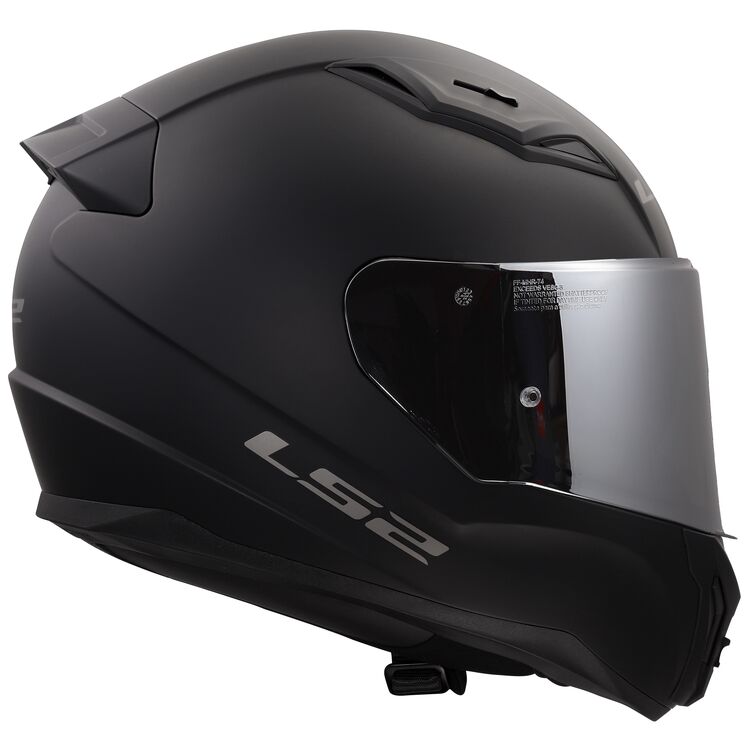
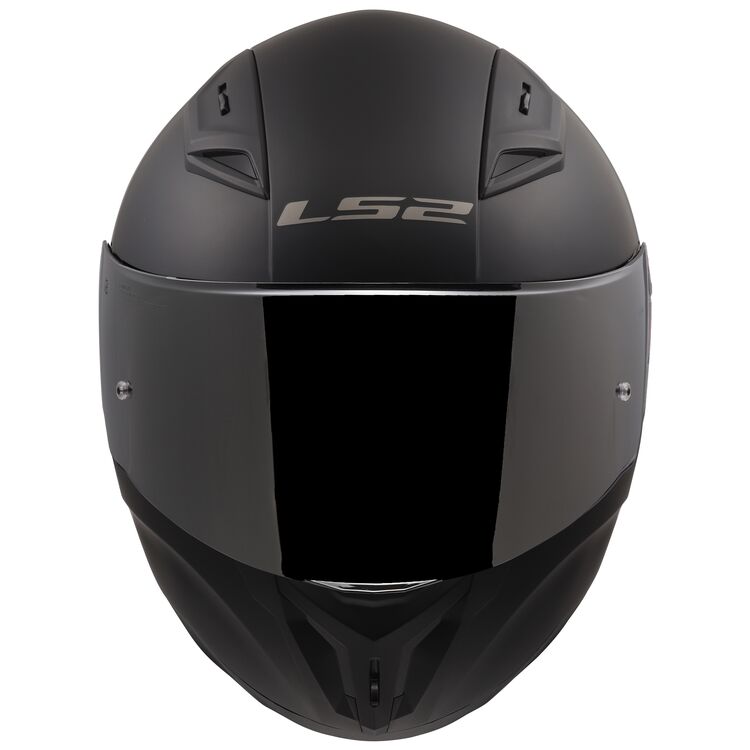
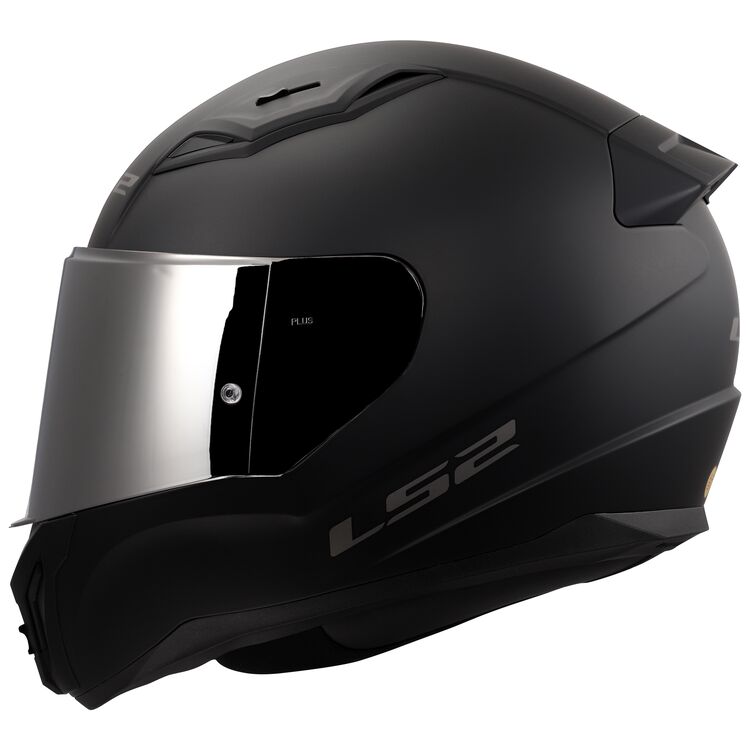
The Centric boasts a clear, optically correct Class A polycarbonate shield, engineered for clear, distortion-free vision, a vital aspect for navigating today’s bustling thoroughfares.
- This shield features a quick-release, tool-less system for effortless changes, a convenience appreciated by those who adapt their gear to changing conditions.
- Additionally, some iterations of the Centric come with a photochromatic shield, an ingenious innovation that automatically adjusts its tint in response to varying light, eliminating the need for separate sun visors or tinted shields.
- For those who prefer a more traditional approach, a free dark smoke shield is also often included.
- Ventilation is managed by a dynamic, flow-through system with multiple intake and exhaust ports, channels within the EPS liner promoting consistent airflow to keep the rider cool.
- Security is assured by a DOT-approved quick-release buckle system, ensuring both ease of use and dependable retention.
- The helmet meets or exceeds both ECE 22.06 and DOT FMVSS standards, underscoring its commitment to rider protection.
Pros and Cons
In the ledger of advantages, the LS2 Centric offers a compelling value proposition.
Pros:
- KPA shell provides admirable protection at a competitive weight.
- Inclusion of AREM technology signifies a progressive approach to safety.
- Comfortable, customizable interior.
- Versatile shield options, particularly the photochromatic variant, enhance the riding experience significantly.
Cons:
- Ventilation, while present, may not rival the airflow of dedicated sport-touring or racing helmets, particularly in warmer climates.
- Some riders might find the helmet’s aesthetics, while sporty, to be somewhat unassuming compared to more aggressively styled alternatives.
- Noise isolation, while generally adequate for an urban-touring helmet, may not satisfy those accustomed to premium touring lids on long, high-speed traverses.
Check it out at Amazon
Check it out at Revzilla
Who Is the LS2 Centric For?
The Centric is built for the rider who commutes regularly, does occasional weekend touring, and wants a helmet that handles both without demanding premium money. The intermediate oval fit and three shell sizes mean it accommodates a reasonably wide range of head shapes without the pressure points that plague helmets built on a single shell across the full size range. If you’re a new rider looking for a first full-face that doesn’t feel like a compromise, a commuter who wants ECE 22.06 certification without spending Shoei money, or an experienced rider who wants a backup helmet that’s better than what most brands offer at this price, the Centric makes sense.
It’s not the right helmet for riders who prioritize absolute noise suppression on long highway miles — there are quieter options at this price point, and the gap between the Centric and something like the HJC i71 on wind noise is real and noticeable above 70 mph. It’s also not optimized for riders in consistently hot climates who need maximum airflow — the ventilation system works well enough, but it’s not a substitute for a dedicated mesh-panel summer helmet in serious heat. Where it earns its place is in the middle: a four-season urban and touring helmet that does most things well at a price that doesn’t require a lengthy justification.
How Does the LS2 Centric Fit?
The Centric is built on an intermediate oval shell, which fits the majority of riders without significant pressure point issues. LS2 produces it in three shell sizes covering XS through 3XL — a genuine advantage over helmets that cram the full size range into two shells, which tend to look oversized on smaller heads and under-proportioned on larger ones. The three-shell approach also means the padding doesn’t have to work as hard to compensate for a shell that’s the wrong size for your head.
Sizing runs true for most riders, which is more reliable than the European-cut helmets from Arai and Shoei that routinely require a half or full size up from your usual measurement. The 3D laser-cut cheek pads conform better than flat-cut foam over the course of the first few rides, and most owners report that the initial snugness resolves itself after a break-in period without the helmet becoming loose. If you’re between sizes, the general consensus among owners is to go with the smaller size — the cheek pads will conform, but a helmet that’s too large won’t tighten up. Riders with rounder heads tend to fare better in the Centric than those with longer oval profiles, where some pressure at the front and rear can persist even after break-in.
How Loud Is the LS2 Centric?
This is where the Centric shows its price point most honestly. Wind noise at highway speeds is noticeable — not unusually bad for a helmet in this category, but not something you should expect to ignore without earplugs on sustained interstate riding. Most owners describe it as average for a full-face helmet in the sub-$300 range, which is accurate. The KPA shell and chin bar seal do a reasonable job below 60 mph. Above 70 mph, wind noise becomes a consistent background presence rather than a manageable nuisance, and at 80 mph it’s loud enough to cause fatigue on longer rides without hearing protection.
Earplugs are the practical solution and honestly the right call on any helmet regardless of price — the CDC’s noise guidelines put sustained highway wind exposure well into the hearing damage range even in quieter helmets. The Centric’s noise level is not a dealbreaker for its intended use case — urban commuting and moderate touring — but riders who spend significant time at highway speeds and are sensitive to wind noise should factor this in or budget for quality earplugs from the start.
How Does the Ventilation Actually Perform?
The multi-port flow-through system with EPS liner channels works better than the spec sheet description suggests it should at this price, but it works within limits. With the vents fully open at speed — above 50 mph — the Centric moves meaningful air across the top of the head and out the rear exhaust ports. The EPS channeling is genuine rather than cosmetic, which isn’t always true of budget helmet ventilation claims. Riders consistently report comfort in temperatures up to around 80°F with the vents open and reasonable airflow even in stop-and-go conditions.
In sustained heat above 85–90°F, the limitations become apparent. The intake volume isn’t large enough to keep pace with serious summer temperatures, and the chin vent — while functional — doesn’t direct airflow as precisely as the larger chin vent designs on dedicated sport-touring helmets. The moisture-wicking liner helps manage heat and sweat during slower urban riding, but it’s not a substitute for actual airflow when it gets genuinely hot. The ventilation system is well-suited to the Centric’s core use case — temperate three-season riding — and honest about its limits in extreme heat. If most of your riding happens in summer in a hot climate, the ventilation question applies to your full gear setup, not just the helmet.
Final Thoughts for the LS2 Centric Helmet
In essence, the LS2 Centric helmet is a commendable choice for the contemporary motorcyclist seeking a blend of modern safety features, comfort, and versatile utility without demanding an exorbitant expenditure. It stands as a sensible, well-executed piece of equipment, ready to face the demands of the open road with a quiet confidence that belies its accessible price point.
Check it out at Amazon
Check it out at Revzilla
