
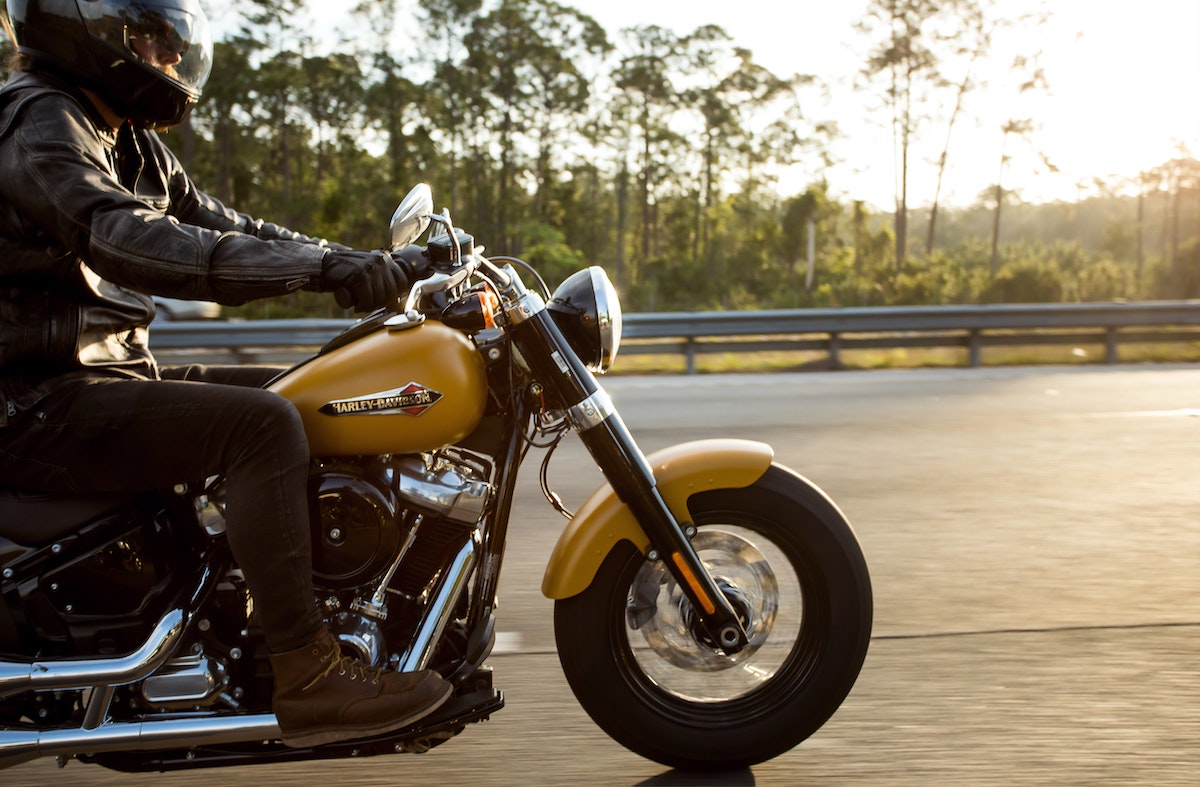
There are two kinds of riders who struggle when they need to plan a motorcycle road trip.
The first kind plans everything: hotels booked six weeks out, a rigid daily mileage target, a schedule that turns riding into a commute with better scenery. The second kind does the opposite, shows up with no plan and ends up sleeping in a gas station parking lot because every campground within 40 miles is full.
The sweet spot is somewhere in the middle. Enough structure to keep things comfortable, enough flexibility to let the trip be what it wants to be. Here’s how to get there.
Start With a Direction, Not an Itinerary
The best road trips usually begin with a region or a direction rather than a specific destination. “I want to spend four days riding through the Ozarks” is a better starting point than “I need to be in Eureka Springs by Tuesday at 2 pm.”
A loose direction gives you a corridor to move through. It lets you follow good roads when you find them, linger somewhere interesting, and skip things that don’t grab you. A rigid itinerary fights against all of that.
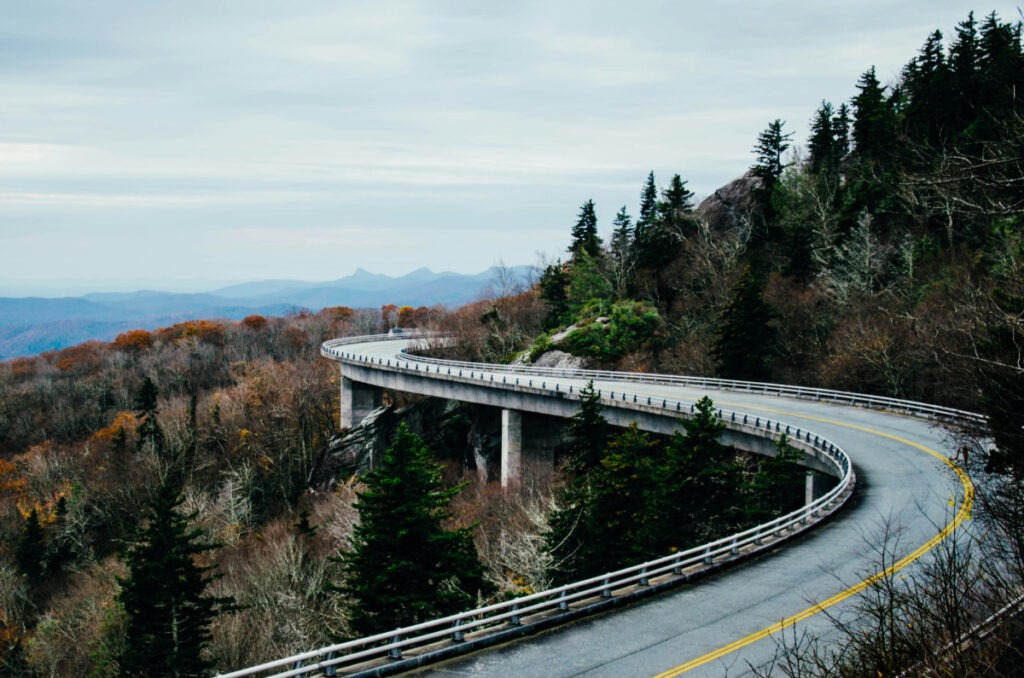
If you’re drawing from a map, look for roads that curve. Highways get you there faster. Two-laners get you there better, trust me. I rode from Indianapolis to the Tail of the Dragon one year on two lane roads. It was better than the return trip on the interstate.
The Things Worth Planning in Advance
Spontaneity sounds great until you’re trying to find a room at 9 pm in a small town during a regional festival you didn’t know was happening. A little advance work saves you from a few specific miseries:
One Anchor Point Per Day
You don’t need to book every night, but having one confirmed place to sleep per day means you have a target without being locked to a schedule. Book the first and last nights; leave the middle ones flexible.
Weather
Check it a few days before you leave, not the morning of. Mountain passes, coastal routes, and the Midwest in spring all have weather personalities worth knowing about before you’re in the middle of them.
Fuel Stops on Remote Routes
Some of the best roads in the country run through areas where gas stations are 80 miles apart. Know where your bike’s range ends and plan accordingly. Running out of fuel on a scenic highway is not as romantic as it sounds. A good app like GasBuddy can be a big help too.
Pack Light, Then Remove Two Things
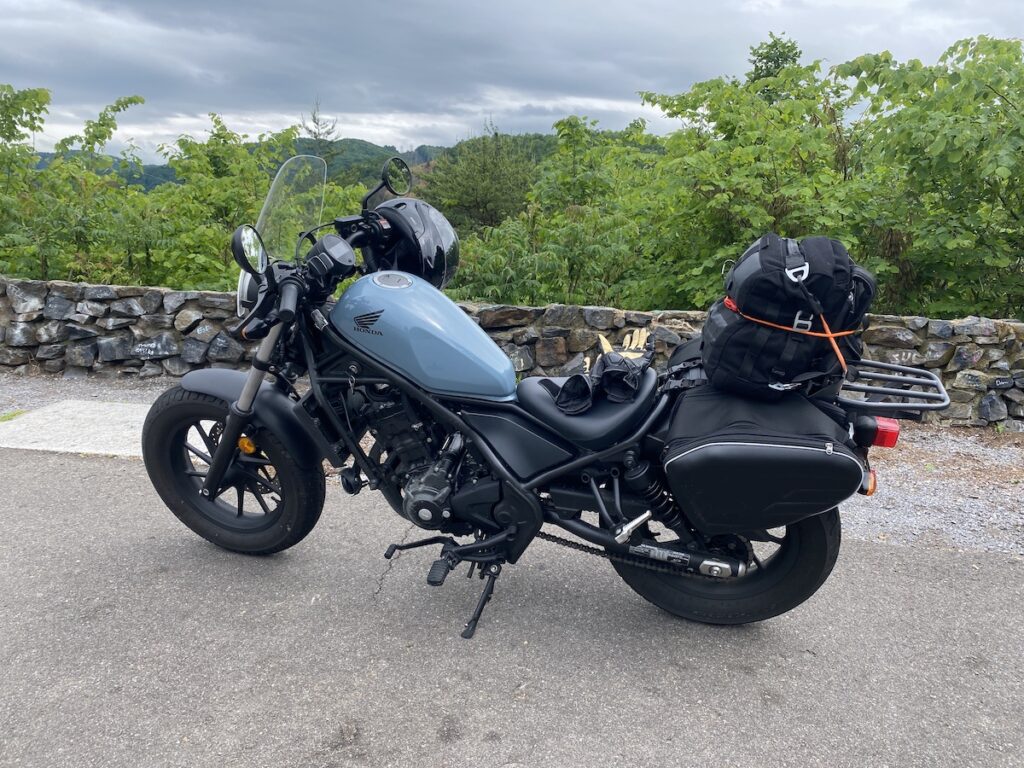
Every experienced touring rider says some version of this. You always bring more than you need on the first trip, and you spend the rest of your riding life trimming it down.
A good tank bag keeps the essentials close — phone, snacks, documents, a layer. A compact rain suit takes up almost no space and is the single most useful thing you can have when the weather turns. A small roadside tool kit — tire plugs, a multi-tool, zip ties, electrical tape — has saved more trips than any other item in the bag.
Everything else is negotiable. Lay out what you’re planning to bring, then look at it critically. If you’d be fine without it for three days, leave it.
Build In Margin
One of the most common mistakes on motorcycle road trips is planning too many miles per day. It sounds reasonable on paper — 300 miles is nothing in a car — but on a bike, especially on the kind of roads worth riding, 300 miles takes most of the day and leaves you arriving tired and sore.
A better target for enjoyable touring is somewhere between 150 and 250 miles on riding days, with the lower end whenever you’re on twisty roads or routes worth stopping on. Leave room in the day to actually stop. The gas station with the hand-painted sign, the overlook with no railing, the diner that looks like it hasn’t changed since 1974 — those are the memories. You can’t make them from the seat if you’re always chasing mileage.
Communicate Your Route
This one isn’t glamorous but it matters. Before you leave, tell someone your general route and expected check-in times. Not a minute-by-minute schedule — just a rough plan and a “if you don’t hear from me by X, here’s what to do.”
If you’re riding somewhere remote, it’s also worth looking into a satellite communicator. Devices like the Garmin inReach let you send messages and share your location without cell service, which covers a lot of ground that your phone won’t.
For longer trips, a good Bluetooth intercom makes it easy to stay in touch if you’re riding with someone, and keeps you connected via phone without taking your hands off the bars.
The Trip Will Do Its Own Thing
Plan the logistics. Leave the experience open.
The best moments on motorcycle road trips are almost never the ones you planned. They’re the detour you took because the road looked good, the conversation at a gas pump that turned into a local recommendation for a road you’d never have found otherwise, the afternoon thunderstorm that forced a two-hour stop at a roadside bar and turned out to be the highlight of the trip.
You can’t schedule those. But you can leave room for them — and that’s really the whole point of the exercise.
If you’re looking for specific routes worth building a trip around, we put together a list of the best spring motorcycle roads in America that’s a good starting point for planning the next one.
