
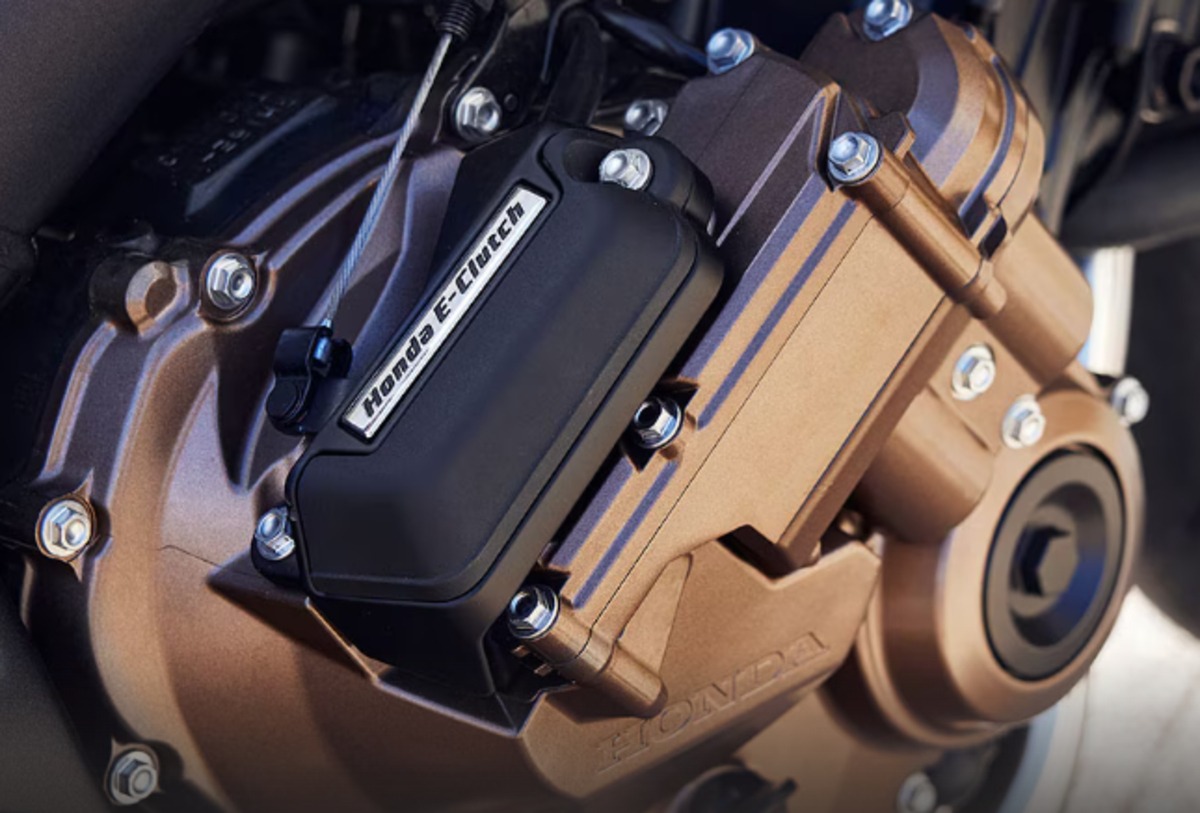
For twenty years, my left hand has had a singular job: pull, click, release. It’s a dance so deeply ingrained in my subconscious that I don’t think about it anymore. That changes with some of Honda’s new bikes.
Honda’s new E-Clutch is brilliant. It’s lighter than a DCT and more versatile than a standard quickshifter. But for those of us with a few hundred thousand miles in our “manual” memory banks, it creates a strange psychological friction. If you’ve found yourself “ghost-pulling” the lever or feeling like the bike is stalled when it isn’t, you aren’t alone.
Here is the truth about the E-Clutch transition and how to master it without losing your mind.
The “Limp Lever” Syndrome
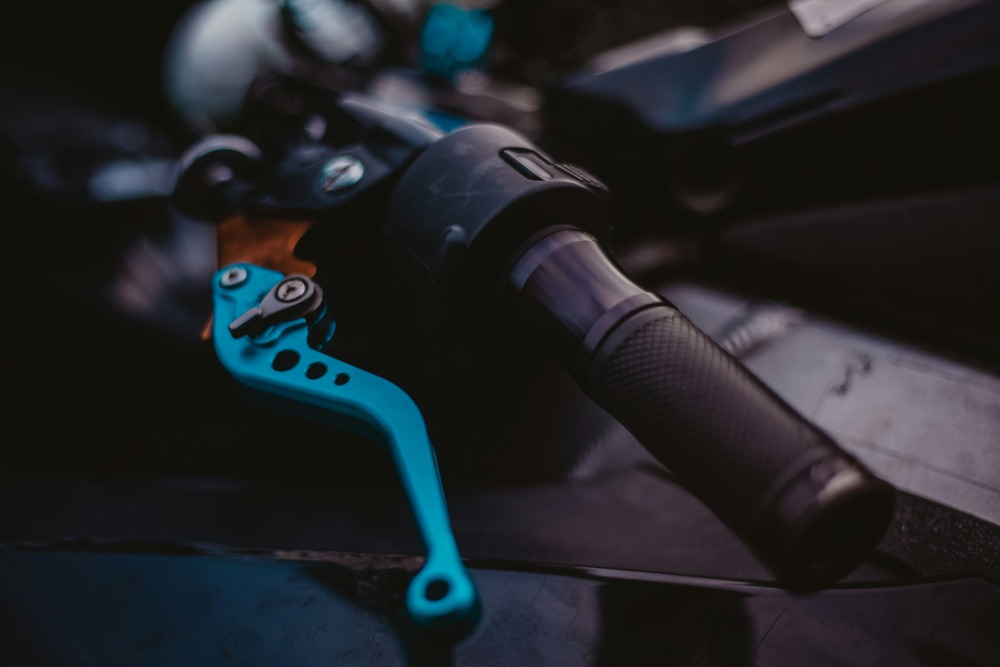
The first thing a veteran rider notices is the feel. When the E-Clutch system is active, the lever can feel slightly “sloppy” or light on the initial pull because the electric motors are already doing the heavy lifting.
The Fix: Remember that the E-Clutch is an additive system, not a replacement. The moment you pull that lever, you override the electronics. If you need that “firmed up” feeling for a tight U-turn, just pull it. The system hands control back to you in less than a second at high speeds, and about five seconds at low speeds.
The 3 Biggest Muscle Memory Hurdles
- The Stop-Light Panic: We’ve been conditioned to hold the clutch in at a red light while in gear. With E-Clutch, you just… sit there. Your brain will scream that you’re about to stall.
- Pro Tip: Trust the “M” indicator on your dash. If it’s not there, the bike is in E-mode. Let your hand rest. Your forearms will thank you after an hour of city traffic.
- The Low-Speed “Feather”: We use the “friction zone” to stabilize the bike during slow-speed maneuvers. The E-Clutch is remarkably good at this, but it doesn’t “know” you’re trying to do a figure-eight.
- Pro Tip: For technical parking lot maneuvers, ignore the tech. Use the lever manually. The E-Clutch is designed to stay out of your way when you’re being precise.
- The “Neutral” Ghost: Because you can shift gears without the clutch, you might find yourself hunting for neutral at a stop and accidentally clicking into second.
- Pro Tip: Look for the downshift indicator on the 2026 LCD. It will blink if you’re trying to stop in too high a gear.
Setting Your “Feel”: Hard, Medium, or Soft?
One of the most under-discussed features of the 2026 CB650R and Rebel 300 E-Clutch models is the ability to adjust the shift pedal pressure.
- Hard: Best for track days or aggressive canyon carving where you want to feel a “mechanical” click.
- Medium: The factory default—great for 90% of riders.
- Soft: Perfect for commuting in sneakers or for riders with joint pain.
Why It’s Worth the Learning Curve
Is it “cheating”? Some purists will say yes. But here’s something people end up realizing: the E-Clutch isn’t ruining the ride. It’s just altering it slightly, and some will say it’s for the better. It’s a user improvement that goes up against tradition, and I see it as something that will continue to be adopted across the Honda lineup and likely across the industry in some form or another. Quickshifters are already everywhere. This is a step beyond that.
In 2026, we have bikes that can shift faster than a pro-racer but still let us feather the clutch for a wheelie when we feel like it. The struggle is with our own stubborn muscle memory.
Give it three days of riding, and you’ll stop reaching for the lever. On the fourth day, you’ll wonder why we waited this long for it.
