
It happens to a lot of riders. Life shifts. You get a new job, a move, an injury, a kid, a rough patch. The bike ends up sitting for longer than you meant it to. Six months becomes a year. A year becomes two. The helmet is still on the shelf but it’s collecting dust.
And then one spring morning something changes. You see a bike on the road, or the weather turns just right, and the itch comes back. You want to ride again.
Getting back on after a long break is mostly a mental exercise. The muscle memory comes back faster than you expect. But respecting the process, not skipping ahead, not pretending you’re exactly where you left off, makes the difference between a confident return and one that spooks you back into the garage.
Check Yourself Before You Check the Bike
Most returning riders spend their prep time on the motorcycle and almost no time thinking about their own readiness. That’s backwards.
Be honest with yourself about how long it’s been and what’s changed. Are you carrying more hesitation than you used to? Are you physically in the same shape? Has your day-to-day stress level shifted in ways that might affect your focus on the road?
None of these are reasons not to ride. They’re just worth acknowledging before you throw a leg over the bike, because riding rewards presence and punishes distraction. The more clearly you know where your head is at, the better your first ride back is going to go.
Now Check the Bike
After a long stretch of sitting, your motorcycle needs attention before it goes anywhere. The checklist isn’t glamorous but it matters:
Tires. Check pressure and look for cracking on the sidewalls. Tires that sat flat or in one position for months may have developed flat spots. If they’ve been sitting more than a couple of years, replacement is worth considering regardless of how they look.
Brakes. Squeeze the levers, check the pads, and make sure the rotors aren’t badly corroded. Brake fluid absorbs moisture over time. If it’s been more than two years, flush it.
Fluids. Oil, coolant, brake fluid. Old gas in the tank is one of the most common return-to-riding problems. If you didn’t add a stabilizer before storing, the carb or injectors may need attention.
Battery. A battery that sat without a tender is likely weak or dead. A fresh one is cheap insurance.
If you’re not confident doing this yourself, a pre-season service at your dealer is money well spent. You don’t want to discover a problem at speed.
Start Smaller Than You Think You Should
This is the part most returning riders resist, and it’s the most important piece of advice: start way smaller than feels necessary.
Find an empty parking lot and spend 20 or 30 minutes just reacquainting yourself with the bike. Low-speed turns, figure eights, smooth stops from 20 mph. It’ll feel almost embarrassingly basic if your skills are still sharp, and that’s fine. If there’s rust, you’ll find it here where the stakes are low.
RevZilla’s guide for re-entry riders puts it well: starting on something familiar and manageable means you’re less likely to get rattled before your confidence has a chance to rebuild.
From the parking lot, take quiet roads before busy ones. Short rides before long ones. Give yourself a few sessions to remember what the bike feels like before you’re back on the highway.
Your Gear Probably Needs a Look Too
If your gear has been sitting as long as the bike, give it an honest assessment. Helmets have a recommended replacement window of about five years from the manufacture date, not from when you bought it, from when it was made. Check the date stamp inside the shell.
A good full-face helmet, reliable gloves, and a quality jacket with proper armor are worth refreshing if they’re old. Gear is the thing you hope you never need, but when you need it, you really need it.
For a deep dive on what to look for, the motorcycle gear guides on Wind Burned Eyes cover everything from helmets to boots.
The Rust Clears Faster Than You Think
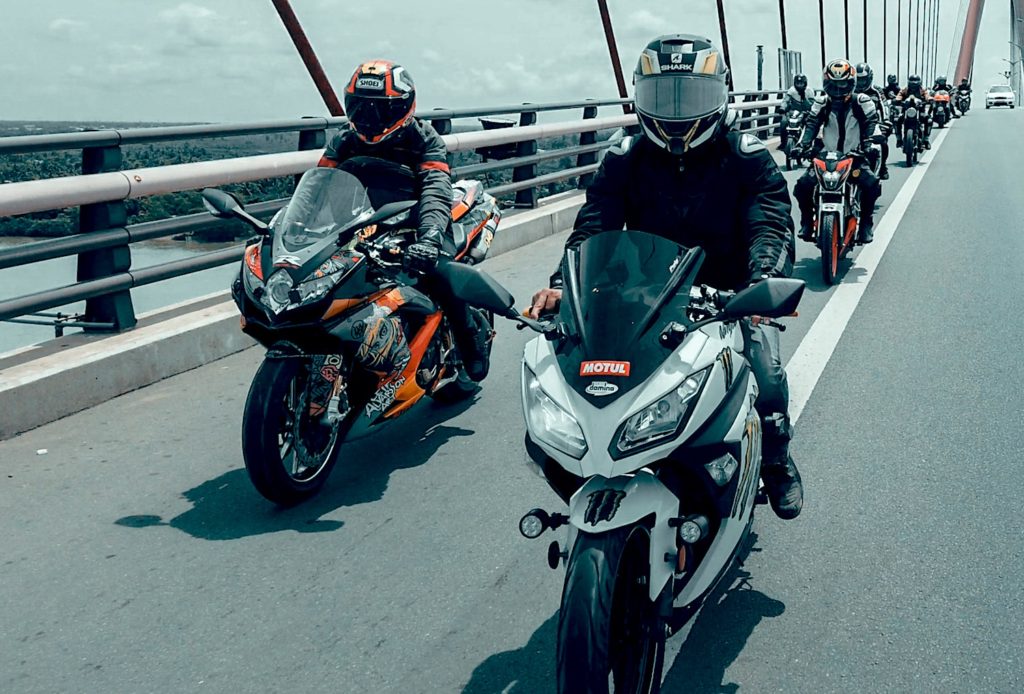
Here’s the part that surprises most returning riders: the skills come back quickly. Riding is deeply ingrained motor memory. Your body remembers more than your brain gives it credit for. The smoothness, the instincts, the feel for the bike’s feedback. It surfaces again within a ride or two.
What takes a little longer is the road awareness. Reading traffic, anticipating hazards, managing your space. That situational alertness builds back up over the first few weeks. Give it time, stay off the most aggressive routes early on, and let it come back naturally.
The goal of those first rides isn’t to prove anything. It’s just to remind yourself why you started in the first place.
Once you’re back in the groove, the solo riding piece is worth a read. It gets at something a lot of returning riders rediscover pretty quickly.
