
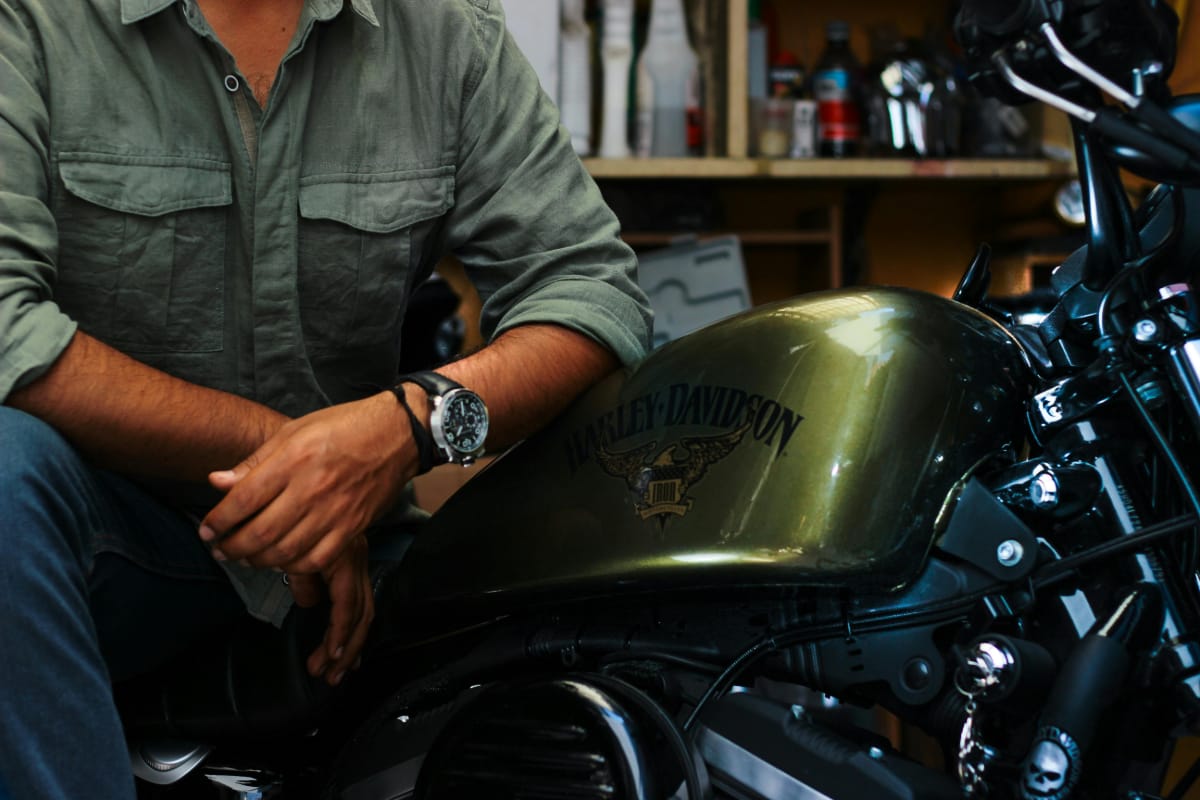
Spend enough time around motorcycle culture and you begin to notice a pattern. Many riders eventually develop an interest in mechanical watches. At first glance the two hobbies might seem unrelated. One involves two wheels and open roads. The other sits quietly on the wrist. Yet the overlap between the communities is surprisingly strong.
The connection comes down to something deeper than aesthetics. Both worlds celebrate engineering, craftsmanship and mechanical honesty. Riders understand machines. Watch collectors do too. When you appreciate how things are built, you tend to notice it everywhere.
The Appeal of Mechanical Engineering
Modern life is increasingly digital. Motorcycles and mechanical watches push against that trend.
A motorcycle engine is a physical system you can hear, feel and understand. Pistons move. Gears mesh. The machine responds directly to the rider’s input. That tactile relationship is part of the experience.
Mechanical watches offer a similar appeal on a smaller scale. Inside a traditional watch movement are dozens, sometimes hundreds, of tiny components working together in precise harmony. Springs store energy. Escapements regulate it. Balance wheels oscillate thousands of times per hour to keep time accurate.
To someone who already respects mechanical design, this miniature engineering is naturally fascinating.
Craftsmanship Matters
Motorcycle enthusiasts often care about how things are made. They recognize the difference between mass production and thoughtful craftsmanship.

This is why brands with strong engineering identity resonate with riders. The story behind the machine matters just as much as the specification sheet.
The same applies to watches. Collectors gravitate toward brands that value mechanical integrity and heritage rather than simply producing fashionable accessories. When you start looking into movements, finishing and design philosophy, a watch becomes more than a tool for telling time. It becomes a piece of mechanical art.
The Heritage Factor
Both motorcycles and watches carry a long history of innovation.
Motorcycle brands have spent decades refining engines, frames and riding dynamics. Each generation builds on the one before it.
Watchmaking follows a similar path. Many respected watchmakers have centuries of history behind them. Over time they have refined the mechanical solutions that allow a watch to keep accurate time while enduring daily wear.
For enthusiasts, understanding that lineage becomes part of the enjoyment. Knowing where a design came from and how it evolved adds depth to the ownership experience.
Bremont and the Norton Connection
Few watch brands speak directly to motorcycle culture as naturally as Bremont watches.
Bremont is a British watchmaker founded by brothers Nick and Giles English. From the beginning the company focused on building robust mechanical watches inspired by aviation and engineering.
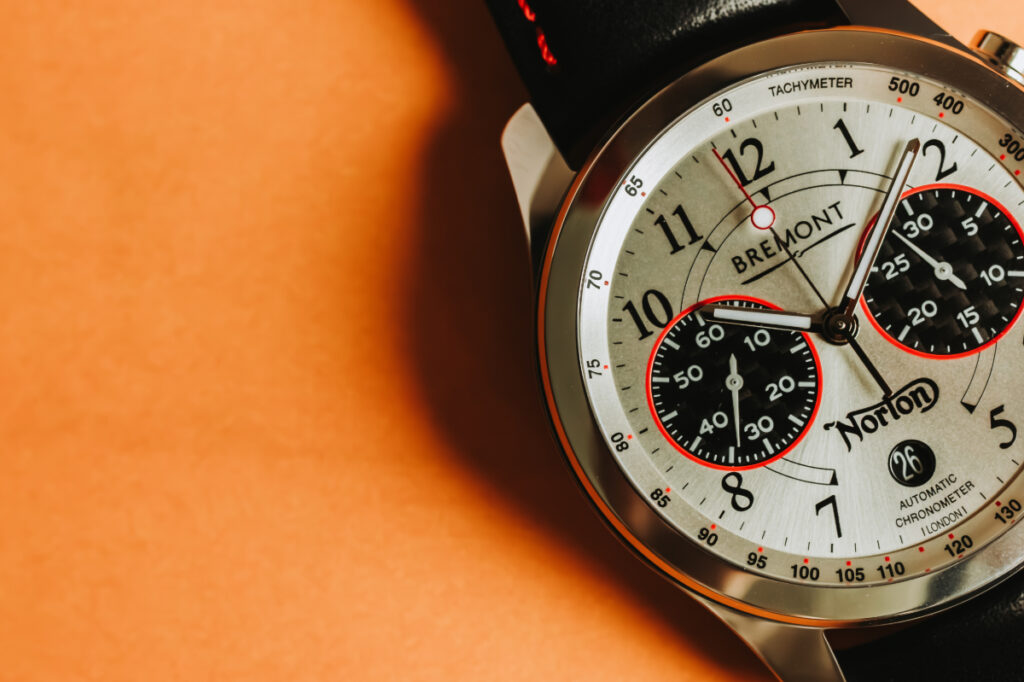
The brand’s partnership with Norton Motorcycles brought that philosophy firmly into the motorcycling world. Bremont created special editions linked to Norton’s V4 superbike program, blending British horology with one of the UK’s most iconic motorcycle manufacturers.
For riders, that connection makes sense. Both companies focus on engineering integrity and mechanical authenticity. The watches reflect the same design values found in high performance motorcycles: durability, precision and purposeful construction.
Breitling and Motorsport Heritage
Another brand that resonates strongly with riders is Breitling watches. While Breitling built its reputation in aviation, the brand has long maintained strong ties to motorsport and mechanical performance culture.
Chronographs sit at the centre of that story. Originally designed as precision timing tools, chronograph watches were widely used in racing environments where accurate time measurement mattered. That connection between timing instruments and performance engineering naturally links Breitling to the world of motorcycles.
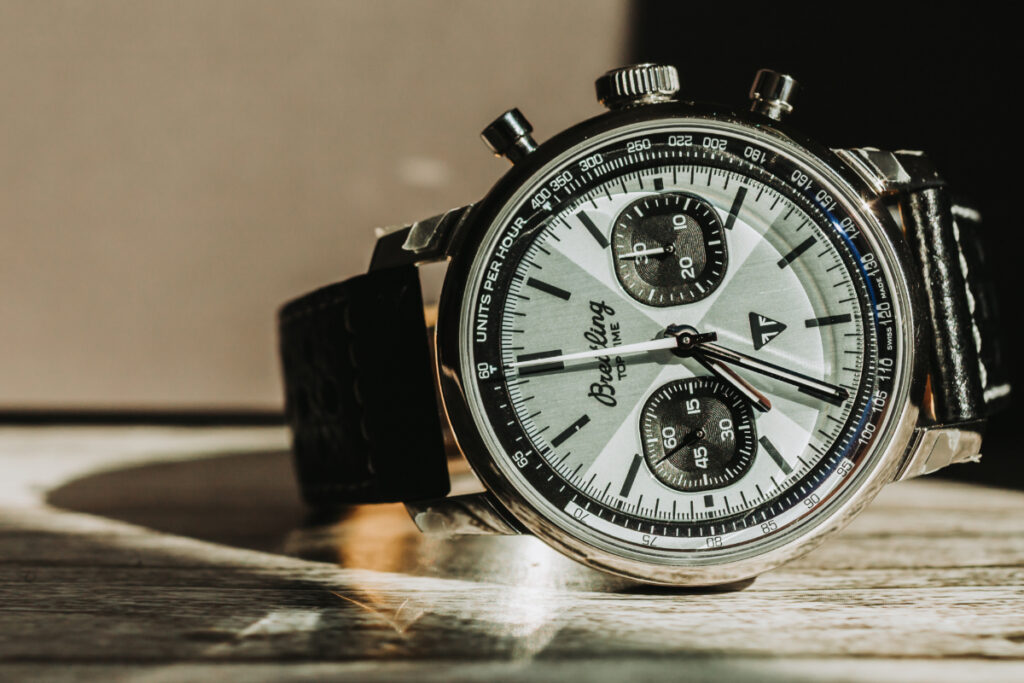
One of the clearest modern examples is the Breitling Top Time B01 Triumph. Created in partnership with the British motorcycle manufacturer Triumph, the watch celebrates the café racer culture that shaped British motorcycling during the 1960s. The design reflects that heritage with a distinctive ice blue dial inspired by the color of the limited edition Triumph Speed Twin motorcycle launched alongside it.
Inside the watch sits Breitling’s in-house B01 chronograph movement, a modern mechanical calibre known for reliability and precision. For enthusiasts who appreciate engineering detail, that movement is as impressive as the design itself.
Engineering Appreciation Across Hobbies
The deeper someone gets into motorcycles, the more they begin to appreciate engineering in all its forms. Suddenly things like gear trains, tolerances and mechanical solutions become interesting.
That curiosity often leads riders toward watches. When you realise that a tiny mechanical movement can measure time accurately for decades with nothing more than springs and gears, it becomes hard not to admire the ingenuity behind it.
A well built watch is essentially a mechanical engine for the wrist. It converts stored energy into controlled motion. It regulates that motion through precision components. And it does so reliably over thousands of hours of operation.
For a rider who already respects the complexity of engines and transmissions, that kind of mechanical elegance is compelling.
More Than Just Timekeeping
Ultimately the appeal of watches for motorcycle enthusiasts is about more than telling time.
It is about appreciating mechanical design. It is about recognising craftsmanship. It is about enjoying objects that have been built with care and purpose.
Motorcycles deliver that experience on the road. Mechanical watches deliver it in miniature form, every time you glance at your wrist.
For people who love machines, the two passions often end up travelling the same road.
