
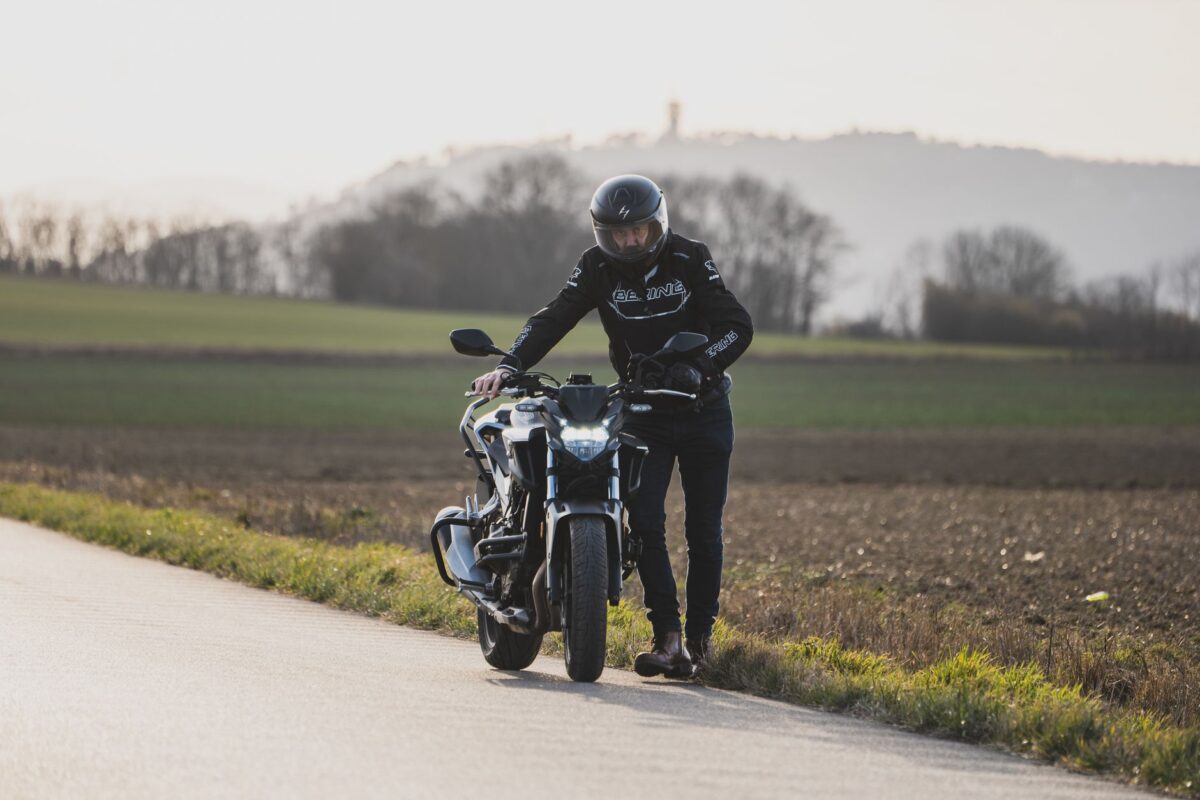
I’ve noticed something the last few years. Every time someone I know is going through something rough, be it a breakup, job loss, anxiety spiral, depression, whatever, at some point they say the same thing: “I just need to get on the bike.”
And it works. Not like a magic fix. But like a reset button. Like the 30 minutes or two hours on the road does something that therapy, meditation, or a glass of wine can’t quite do.
Turns out there’s actual science behind this. And the motorcycle community is quietly becoming one of the best unintentional mental health resources we have.
The Therapy You Don’t Have to Schedule
Riding is meditation, but it doesn’t feel like you’re meditating. That’s the trick.
When you’re on the bike, your brain doesn’t have room for anxiety. It’s too busy. You’re reading the road, feeling the lean, listening to the engine, watching for hazards. Your attention is forced into the present moment. You can’t worry about that email you sent wrong or that conversation you’ll have tomorrow because your brain is literally unable to run that program right now.
There’s a reason therapists call this “flow state.” It’s the mental equivalent of a reset. You ride for an hour, come home, and the stuff that felt catastrophic this morning just looks different. Smaller. More solvable.
Plus, you’re moving your body, getting sunlight, breathing fresh air, and getting your heart rate up — basically hitting every box on the “things that are good for your mental health” checklist, and it doesn’t feel like exercise. It feels like fun.
The Community Nobody Expects
Here’s the other thing, motorcycle culture is built on acceptance in a way that people don’t always talk about. (When it’s done right.)
You pull up to a group ride, and nobody asks about your Instagram or your net worth. They ask about your bike. They ask if you’re comfortable on the ride. They make sure you’ve had a good time riding.
There’s no other bullshit. Not a lot of idle small talk. They talk about the ride and inevitably the conversations shifts to real parts of life. Because you both ride, the small talk getting to know you stuff doesn’t really come up. Other riders know you ride, and that’s enough. That’s the kind of support people need and rarely ask for.
A motorcycle ride group is one of the few places left where you can show up in a bad headspace and nobody makes it weird. Nobody pitches you on a meditation app. Nobody tells you to “think positive.” You just ride together, and that’s enough.
The Unspoken Language
There’s something about the motorcycle community that doesn’t require constant conversation. You can ride in a group and barely talk. You’re together, you’re moving, you’re present, but you don’t need to perform.
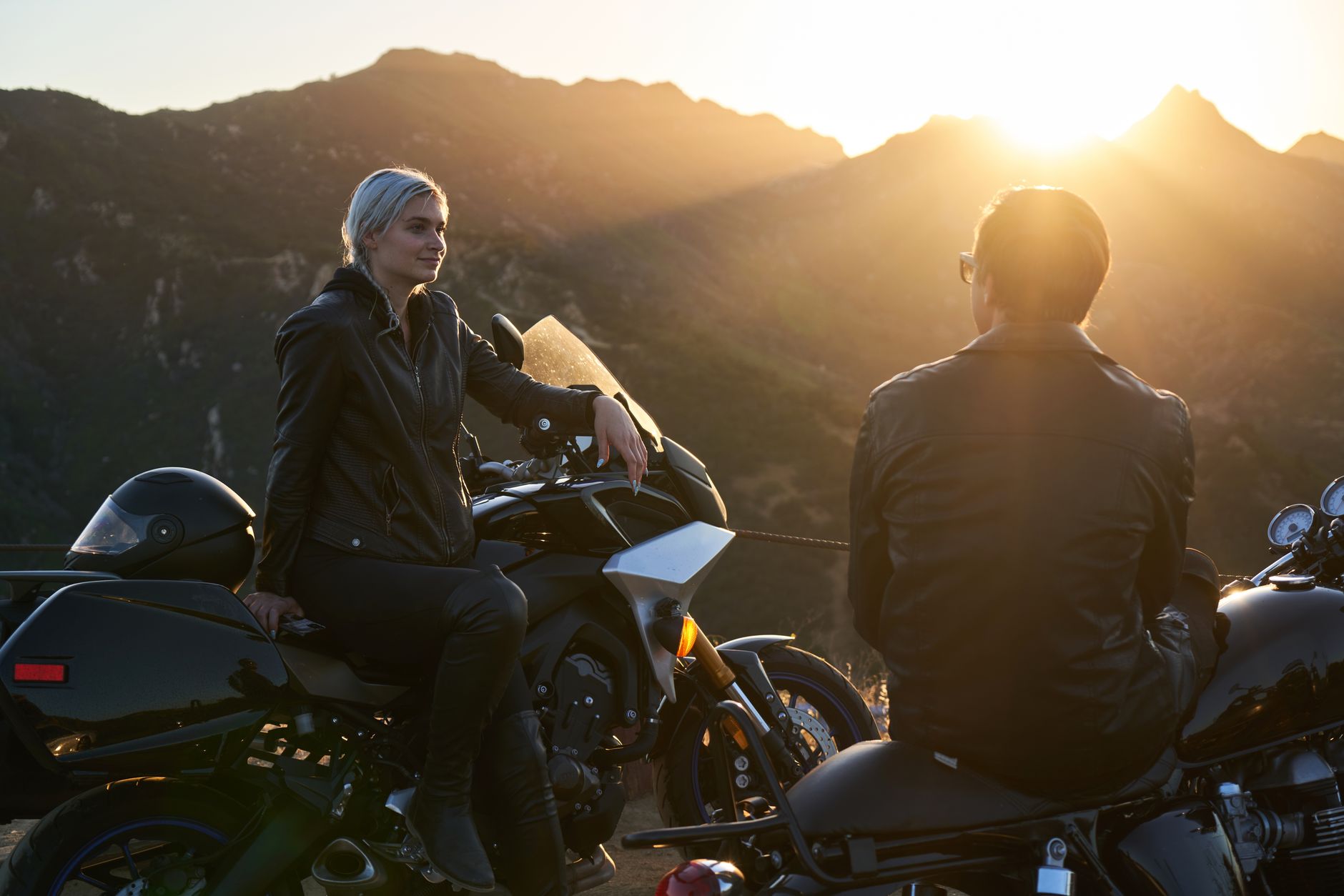
That’s huge for mental health. So many of us are exhausted by the work of socializing. The performance of it. Keeping up appearances. Making conversation.
A group ride? You show up, you ride, you maybe grab food after, and you go home. No pretense required. You’re around people who get it without you having to explain anything.
For people dealing with depression or anxiety, that permission to just be without performing is healing in a way that’s hard to describe unless you’ve experienced it.
The Real Talk
I’m not saying motorcycles cure mental health issues. Medication, therapy, professional help, all that matters. All that’s necessary for a lot of people.
But I am saying that riding has become this quiet ally for mental wellness. It’s affordable (especially once you own the bike). It’s accessible. It’s community-based. It doesn’t require you to have your life figured out. And it works.
Veteran organizations are starting formal motorcycle therapy programs because they work. Therapists are recommending it. Researchers are studying it. The motorcycle community is becoming an unexpected mental health infrastructure.
What’s wild is that nobody had to build this. The motorcycle world was already doing it. People were already riding to feel better, finding community on the road, discovering that speed and focus and connection could quiet the noise inside their heads.
How to Find This
If you’re reading this and thinking “I need some of that,” here’s the good news: it’s not secret. Most towns have group rides. Some are casual weekend cruises. Some are organized rides for specific communities (veterans, women, LGBTQ+, etc.). Most are free or cheap to join. Poke around on Facebook for even 10 minutes and you’ll find a ride. Hell, Google “group motorcycle rides near me” and you’ll find something.
You don’t need an expensive bike. You don’t need to be fast. You don’t need to be good at it. You just need to show up.
The motorcycle community is, in my experience, one of the most welcoming groups you’ll ever meet. And they’re all there for the same reason: because riding is fun and makes life better.
You might also enjoy:
- Why Solo Motorcycle Riding Might Be the Best Therapy You’re Not Getting
- The Motorcycle Wave: A Small Gesture With a Lot Behind It
Ready to join a group ride? Make sure you’ve got comfortable gear for longer stretches. A good motorcycle seat cushion makes multi-hour rides way more enjoyable. And if you’re nervous, grip gloves that are comfortable for all-day wear help you stay relaxed. Road trip snacks and a hydration pack keep you fueled for the journey.
