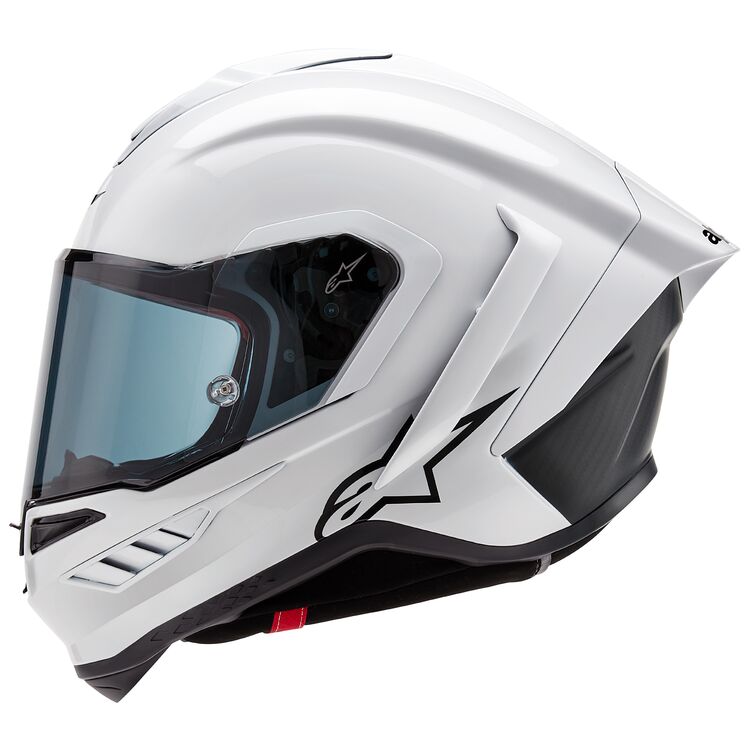
When it comes to motorcycle safety, the helmet is your first line of defense. Alpinestars, a brand synonymous with innovation and quality, has been at the forefront of helmet craftsmanship and safety.
This article delves into the meticulous design, advanced safety features, and the numerous benefits of choosing Alpinestars helmets to ensure your riding experience is both safe and stylish.
The Philosophy Behind Alpinestars Helmets
Commitment to Safety
Alpinestars’ dedication to rider safety is evident in their adherence to stringent international standards. Their helmets meet certifications such as DOT (Department of Transportation) and ECE 22.06, ensuring they undergo rigorous testing for impact absorption, shell penetration resistance, and chin strap strength.
Notably, the ECE 22.06 standard introduces more comprehensive testing, including multiple impact zones and rotational impact assessments, reflecting real-world crash scenarios.
Innovative Design Elements
Alpinestars helmets are engineered with unique design features that enhance both safety and performance:
- Aerodynamics: The streamlined shell reduces wind resistance, improving stability at high speeds.
- Ventilation Systems: Strategically placed vents ensure optimal airflow, keeping riders cool during intense rides.
- Ergonomics: The helmets are designed for comfort, with adjustable fit systems and moisture-wicking liners.
Collaborations with professional riders provide valuable feedback, leading to continuous design improvements for all Alpinestars helmets.
Craftsmanship in Alpinestars Helmets
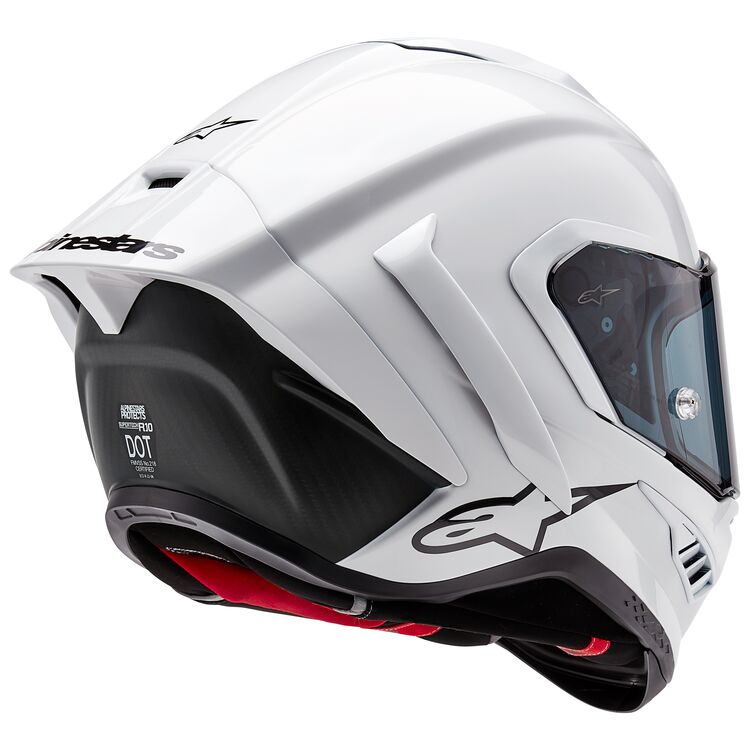
Handcrafted Quality
Each Alpinestars helmet is a testament to meticulous craftsmanship:
- Material Selection: High-quality materials like advanced composites and EPS (Expanded Polystyrene) liners are used to ensure durability and impact resistance.
- Manufacturing Process: The helmets undergo a detailed production process, including molding, assembly, and quality control checks, to meet the brand’s high standards.
- Case Study: The Supertech R10 Carbon helmet exemplifies Alpinestars’ commitment to quality, featuring a multi-layer carbon composite shell and a multi-density EPS liner for superior protection.
The Role of Technology
Alpinestars integrates cutting-edge technology to enhance helmet performance:
- MIPS Technology: Some models incorporate the Multi-Directional Impact Protection System, reducing rotational forces during oblique impacts.
- Advanced Manufacturing: Techniques like 3D printing and CNC machining allow for precise component fabrication, improving helmet fit and comfort.
- Smart Helmets: Future models may include integrated communication systems, providing riders with hands-free connectivity.
Key Benefits of Alpinestars Helmets
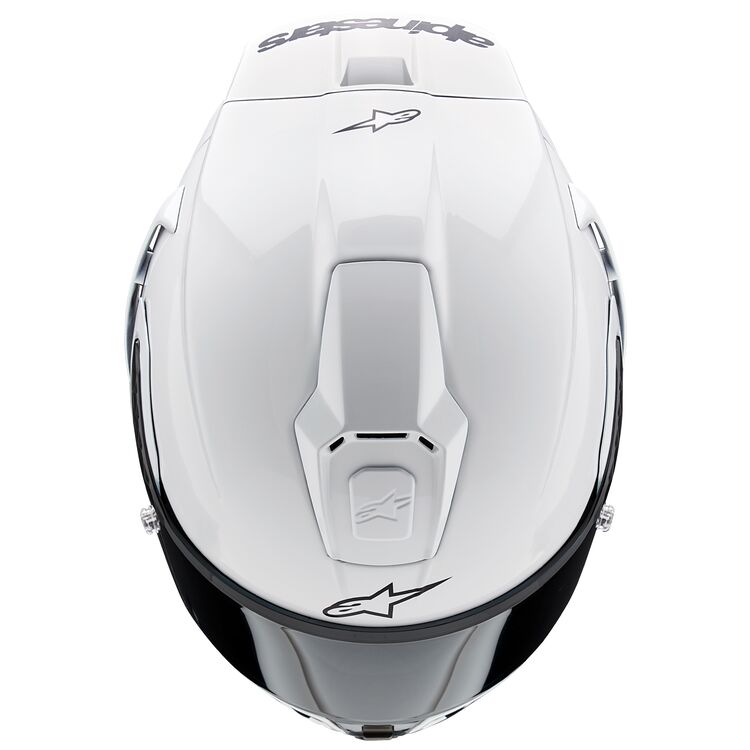
Enhanced Safety Features
Alpinestars helmets offer several safety advantages:
- Multi-Density EPS: The inner foam layers absorb varying impact energies, reducing the risk of injury.
- Impact Absorption: The helmets are designed to manage both linear and rotational forces, exceeding standard safety requirements.
- User Testimonials: Riders have reported increased confidence and comfort, attributing it to the helmets’ superior safety features.
Aesthetic Appeal
Beyond functionality, Alpinestars helmets are known for their stylish designs:
- Customization: Riders can choose from various colors, graphics, and finishes to match their personal style.
- Brand Loyalty: The combination of safety and aesthetics fosters a strong connection between the brand and its customers.
- Popular Designs: Models like the Supertech R10 Carbon and SM3 Solid Helmet are celebrated for their sleek appearances and performance.
Maintenance and Care for Longevity
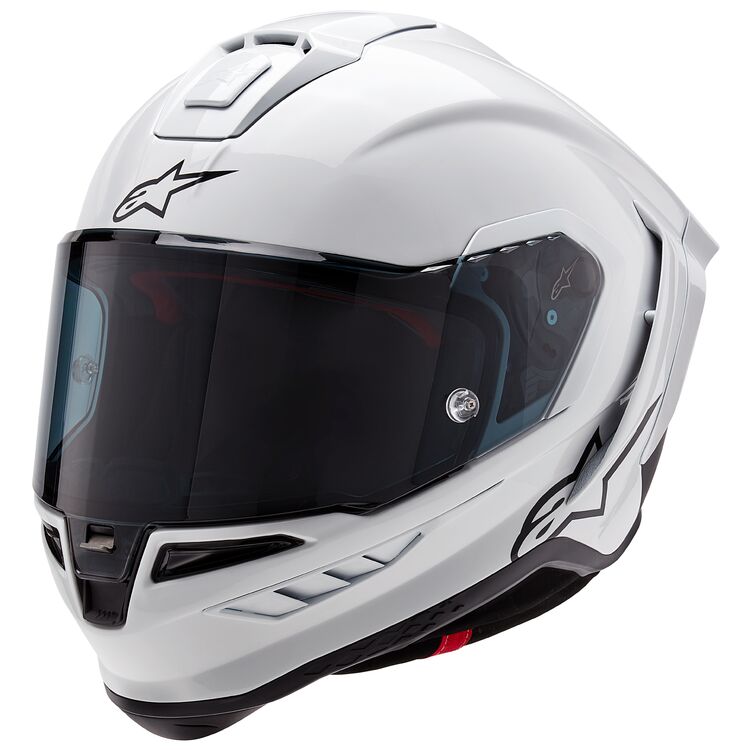
Proper Care Tips
Maintaining your Alpinestars helmet ensures its longevity and continued safety:
- Cleaning: Use mild soap and water to clean the helmet’s exterior; remove and wash the interior padding as per the manufacturer’s instructions.
- Inspection: Regularly check for signs of wear, such as cracks in the shell or damage to the chin strap.
- Storage: Store the helmet in a cool, dry place, away from direct sunlight and chemicals.
When to Replace Your Helmet
Knowing when to replace your helmet is crucial for safety:
- Age: Even without visible damage, helmets should be replaced every 5-7 years due to material degradation.
- Damage: Replace the helmet immediately if it has been involved in a significant impact.
- Technological Advancements: Upgrading to newer models can provide enhanced safety features and comfort.
Final Thoughts on Alpinestars Helmets
Alpinestars helmets represent a harmonious blend of craftsmanship, safety, and style.
By choosing Alpinestars, you’re investing in a helmet that prioritizes your protection without compromising on comfort or aesthetics. Remember, your helmet is more than just gear; it’s a commitment to your safety and riding experience.
