
When it comes to motorcycle safety, your helmet is your first line of defense. Ensuring that your helmet meets recognized safety standards is crucial for protecting yourself on the road.
In this guide, we’ll explore how to verify your motorcycle helmet’s safety certification, detailing the steps involved and the important aspects you need to consider.
Understanding Helmet Safety Certifications
What Are Motorcycle Helmet Safety Certifications?
Motorcycle helmet safety certifications are standards set by various organizations to ensure helmets provide adequate protection in the event of an accident.
These certifications involve rigorous testing to assess a helmet’s ability to absorb impact, resist penetration, and remain securely fastened during a crash.
Different Types of Certifications
Several organizations establish helmet safety standards, each with unique testing protocols:
- DOT (Department of Transportation): In the United States, helmets must meet the Federal Motor Vehicle Safety Standard (FMVSS) 218, commonly known as the DOT standard. This certification ensures helmets can withstand specific impact forces and remain intact during a crash.
- Snell Memorial Foundation: An independent, non-profit organization that sets higher performance standards than DOT. Snell-certified helmets undergo more rigorous testing, including multiple impact scenarios, to provide enhanced protection.
- ECE (Economic Commission for Europe): Primarily recognized in Europe, ECE 22.06 is the latest standard that helmets must meet. It includes tests for impact, penetration, and retention, ensuring helmets offer comprehensive protection.
Steps to Verify Your Motorcycle Helmet’s Safety Certification
Step 1: Locate the Certification Label
The first step in verifying your motorcycle helmet’s safety certification is to find the certification label. This label is typically located in the following areas:
- Inside the Chin Strap: Look for a label sewn into the chin strap, often on the left side.
- Under the Padding: Remove the inner padding to check for labels on the helmet’s interior shell.
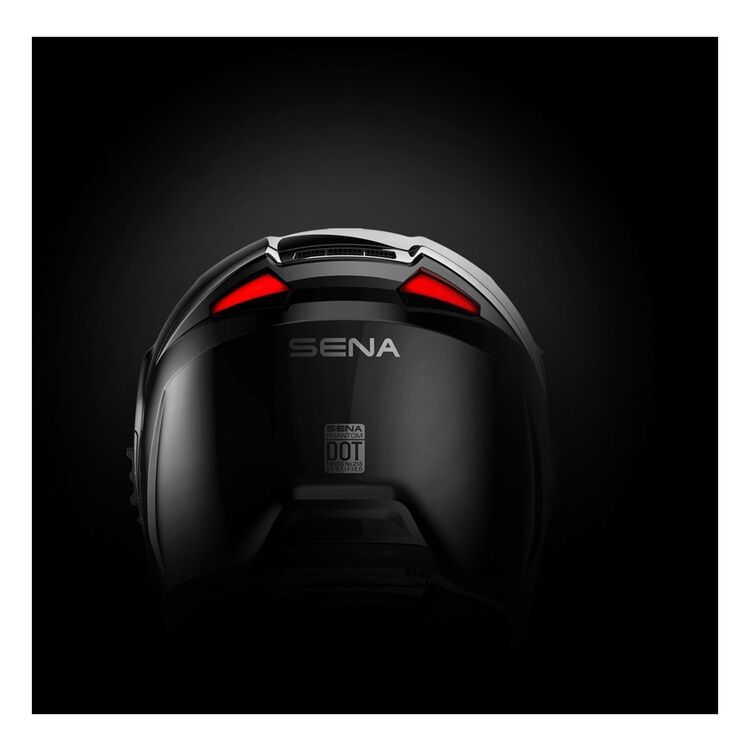
- On the Back of the Helmet: Some helmets have the certification label on the exterior, usually at the back.
The label should clearly display the certification standard, such as “DOT,” “Snell,” or “ECE.”
Step 2: Check for Compliance with Safety Standards
Once you’ve located the certification label, verify the following details:
- Certification Acronym: Ensure the label displays the correct certification acronym (e.g., DOT, Snell, ECE).
- Certification Number: Some labels include a certification number or date, indicating when the helmet was tested and approved.
- Validity: Be aware that some certifications have expiration dates. For instance, Snell certifications are updated periodically, and older standards may no longer be valid.
Step 3: Research the Helmet Model
To further verify your helmet’s certification:
- Manufacturer’s Website: Visit the manufacturer’s official website to find detailed information about the helmet model, including its certification status.
- Certification Organization’s Website: Some organizations, like Snell, provide online databases where you can search for certified helmet models.
- User Reviews: Check online forums and reviews to see if other riders have verified the helmet’s certification.
Step 4: Inspect for Authenticity
To ensure your helmet is genuine and not a counterfeit:
- Quality of Materials: Examine the helmet for high-quality materials and craftsmanship. Counterfeit helmets often use inferior materials and may have poor build quality.
- Weight: Authentic helmets typically weigh around three pounds, depending on the design. Helmets that are unusually light may not meet safety standards.
- Purchase Records: Keep receipts or records of where and when you purchased the helmet. This can help verify its authenticity.
Additional Safety Considerations When Choosing a Helmet
The Importance of Proper Fit
A helmet can only provide optimal protection if it fits correctly. To ensure a proper fit, consider the following:
- Measure Your Head: Use a soft tape measure to determine the circumference of your head, just above your eyebrows.
- Try Before You Buy: Always try on helmets before purchasing. A well-fitting helmet should feel snug but not uncomfortable, with even pressure around your head.
- Check for Movement: When you move your head, the helmet should stay in place without shifting.
Maintenance and Lifespan of Helmets
Proper maintenance can extend the life of your helmet:
- Regular Cleaning: Clean the helmet’s interior and exterior regularly with mild soap and water. Avoid harsh chemicals that can degrade materials.
- Storage: Store your helmet in a cool, dry place away from direct sunlight to prevent material degradation.
- Replacement: Even with proper care, helmets have a limited lifespan. Replace your helmet every five years or sooner if it has been involved in a crash.
Final Thoughts
Verifying your motorcycle helmet’s safety certification is essential for your protection on the road.
By understanding the different certification standards, locating and interpreting certification labels, and ensuring your helmet’s authenticity, you can ride with confidence.
Always prioritize safety by choosing a helmet that meets recognized standards and fits properly.
