
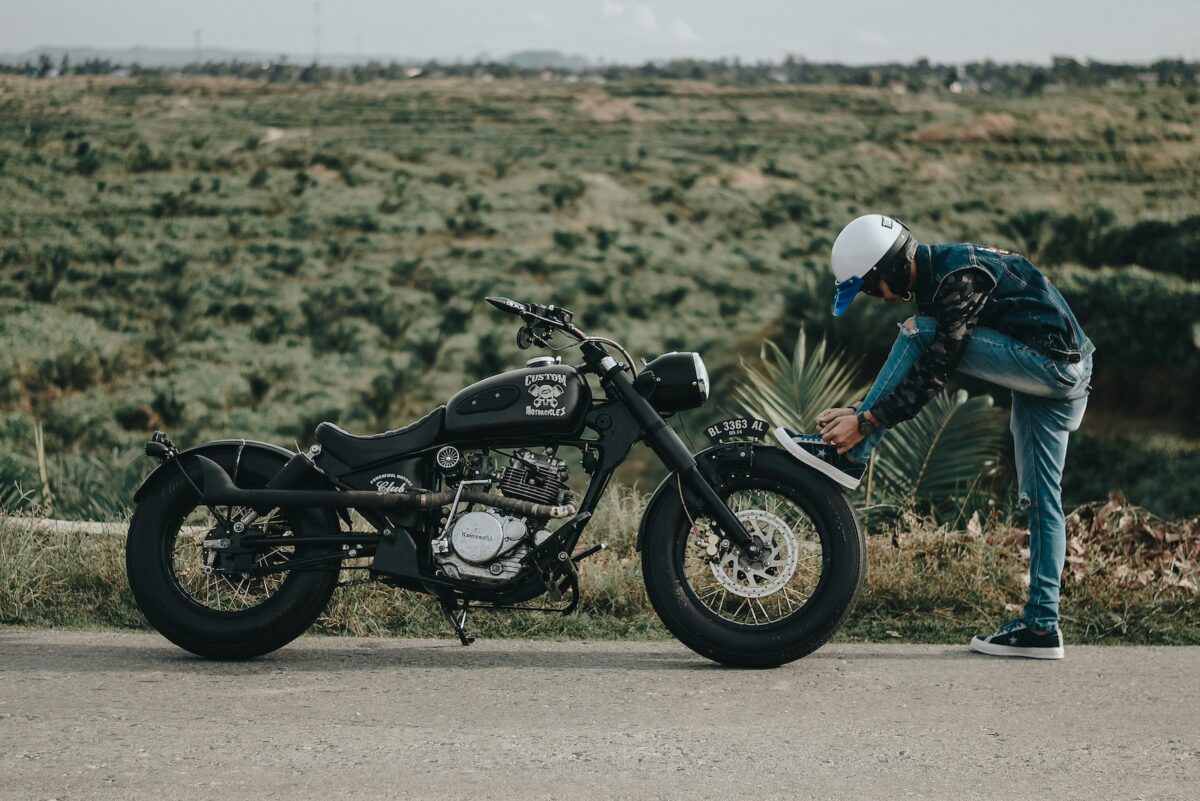
Choosing the right motorcycle helmet is crucial for every motorcyclist. Not only does it ensure your safety, but it also enhances your riding experience. A common choice for many motorcyclists is to choose the right type of gear. In this case, open-face helmet vs half helmet.
In this article, we’ll delve into the differences between open-face helmets and half helmets, helping you decide which suits your needs best.
Understanding Helmet Types
What is an Open-Face Helmet?
An open-face helmet, also known as a three-quarter helmet, covers the top, back, and sides of your head, leaving your face exposed. This design offers a broader field of vision and increased airflow, making it a popular choice for city commuting and short rides.
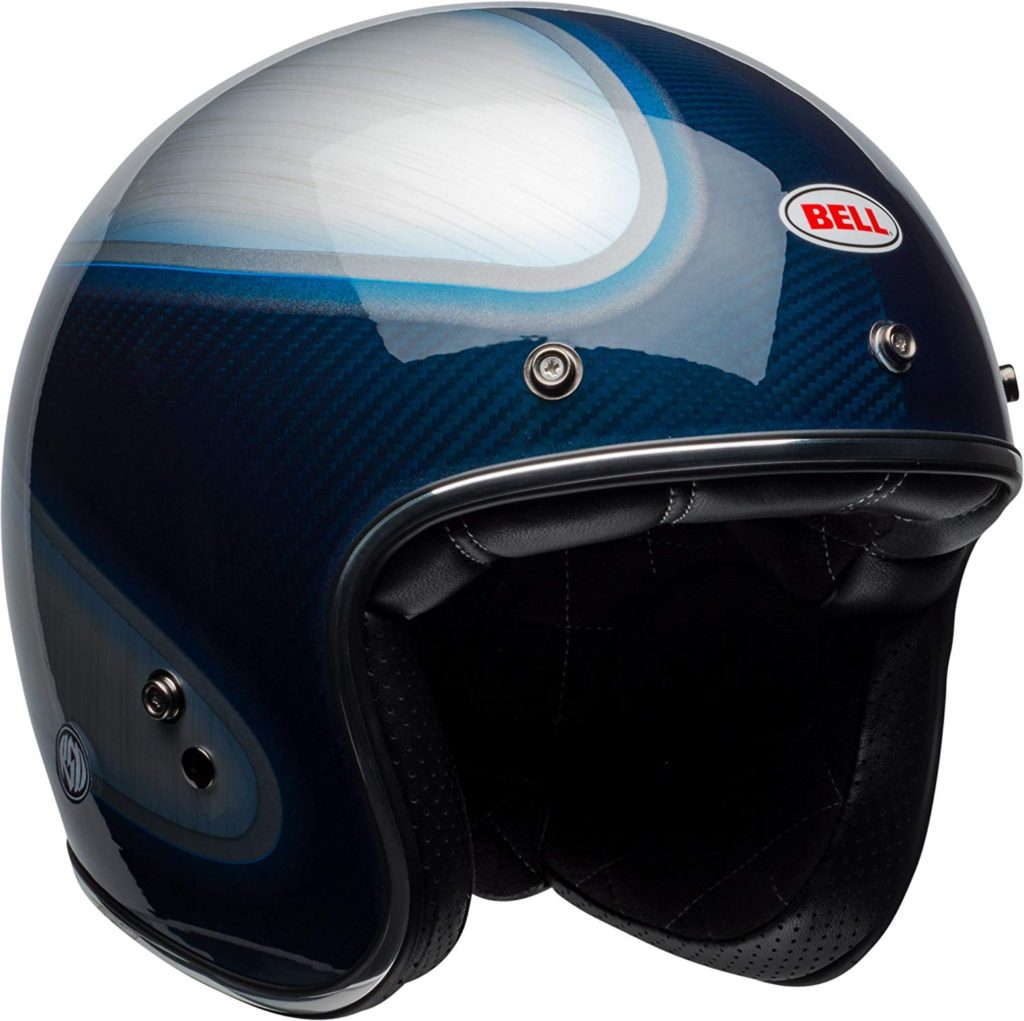
Protection Level: While open-face helmets provide substantial coverage, they leave the face unprotected, which can be a concern in frontal impacts. Studies indicate that full-face helmets offer more comprehensive protection compared to open-face models.
Visibility and Airflow: The open design enhances peripheral vision and allows for better ventilation, keeping you cooler during rides. However, this also means increased exposure to wind, debris, and insects.
What is a Half Helmet?
A half helmet, often referred to as a “brain bucket,” covers only the top of your head, leaving the ears, face, and back of the head exposed. It’s lightweight and provides a minimalist aesthetic, appealing to riders who prefer a less restrictive feel.
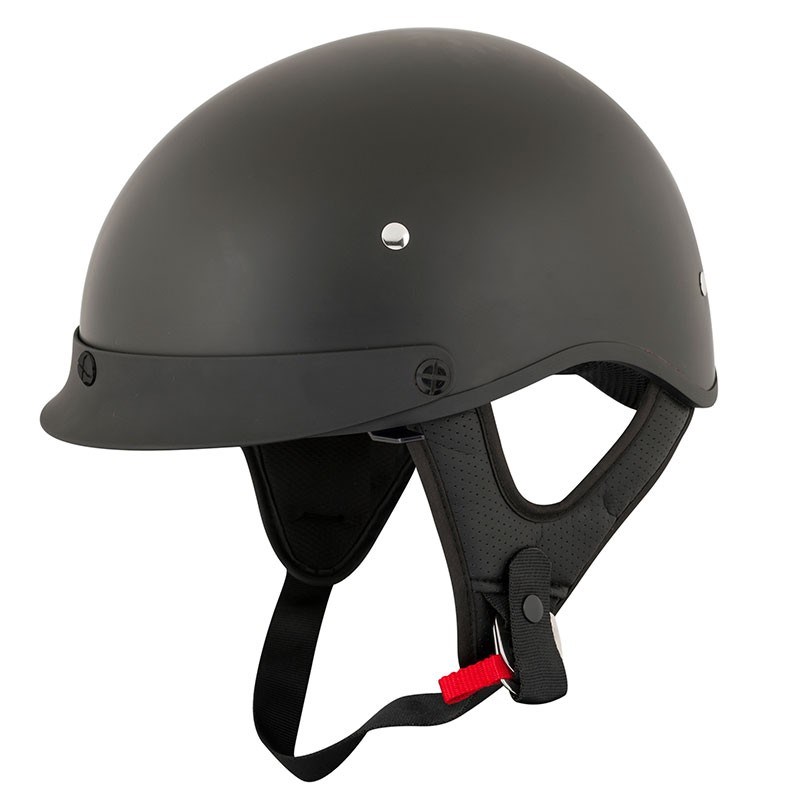
Protection Level: Half helmets offer the least protection among helmet types. They leave the face and ears unprotected, which can be problematic in the event of an accident. Research shows that half helmets are less effective in preventing head injuries compared to full-face helmets.
Style and Comfort: The minimalist design is favored by riders seeking a classic look. The lightweight nature of half helmets makes them comfortable for short rides, but they lack the comprehensive protection offered by other helmet types.
Safety Comparisons
Safety Ratings and Standards
Both open-face and half helmets must meet safety standards set by organizations like the Department of Transportation (DOT) in the U.S. However, the level of protection varies. Full-face helmets are generally more effective in preventing head and neck injuries.
Impact Protection: Full-face helmets provide extensive coverage, including the chin and jaw areas, which are vulnerable in crashes. Open-face helmets offer less protection, and half helmets provide the least.
Real-World Scenarios: Accident data suggests that riders wearing full-face helmets have a lower risk of severe head injuries compared to those wearing open-face or half helmets.
Comfort and Usability
Airflow and Heat Management
Open-Face Helmets: The design allows for superior ventilation, keeping riders cool during warm weather. However, this also means increased exposure to wind and noise.
Half Helmets: The design offers even more airflow than open-face helmets providing a truly unfettered and cool ride.
Weight and Fit
Open-Face Helmets: Generally lighter than full-face helmets, they offer a balance between protection and comfort. Ensuring a proper fit is crucial for safety and comfort.
Half Helmets: Their lightweight design makes them comfortable for short rides, but the lack of coverage means they don’t provide the same level of protection.
Style and Aesthetics

Design Choices
Open-Face Helmets: Available in various designs, they cater to riders seeking a classic or retro look. The open design appeals to those who prefer a less restrictive feel.
Half Helmets: Known for their minimalist design, they are favored by riders who prioritize style and comfort over protection. Often, I think of V-twin riders or Harley-Davidson riders when I think of a half helmet.
Customization and Accessories
Open-Face Helmets: Can be customized with visors, face shields, and other accessories to enhance protection and style.
Half Helmets: Limited in customization options due to their general size, but some riders add goggles or sunglasses for eye protection.
Cost Considerations
Price Range Analysis
Open-Face Helmets: Priced moderately, they offer a balance between cost and protection. Factors influencing price include brand, materials, and features.
Half Helmets: Generally less expensive, but the lower cost reflects the reduced level of protection they offer.
Cost-Effective Choices
When selecting a helmet, consider both safety and budget. Investing in a helmet that meets safety standards and fits well is more important than saving money on a less protective option.
Final Thoughts on an Open-Face Helmet Vs Half Helmet

In the debate of open-face helmet vs half helmet, it’s clear that while both have their merits, safety should be your top priority.
Open-face helmets offer a good balance between protection and comfort, while half helmets, though stylish and comfortable, provide the least protection. Always choose a helmet that meets safety standards and suits your riding style.
If you’re looking for specific helmet recommendations, I have articles on both the best open-face helmets and the best half helmets.
