
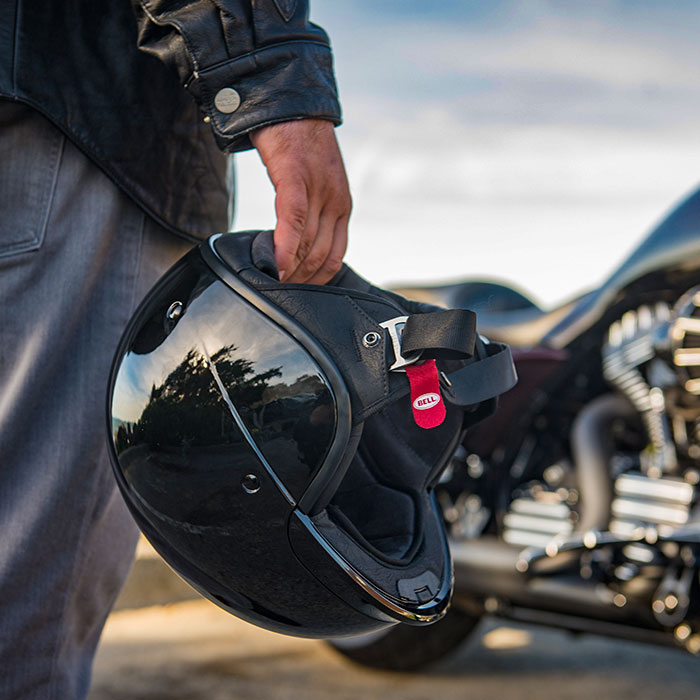
When it comes to motorcycle safety, your helmet is your first line of defense. Understanding motorcycle helmet safety standards is crucial for ensuring that the helmet you choose offers the best protection possible.
Helmets play an important role in preventing head injuries, and I can’t stress this enough, they save lives. Thousands of lives each year. A big part of the reason for that are the standards for helmets. In this article, we’ll delve into the various safety standards, their significance, and what’s coming for helmet safety in the future.
Understanding Helmet Safety Standards
What Are Motorcycle Helmet Safety Standards?
Motorcycle helmet safety standards are regulations established to ensure that helmets provide adequate protection to riders in the event of an accident. These standards set criteria for impact absorption, penetration resistance, and retention system strength, among other factors.
The primary purpose of these standards is to minimize the risk of head injuries by ensuring helmets are designed and manufactured to withstand specific impact scenarios. In short, the standards are designed to help create the safest helmets out there.
The evolution of helmet safety regulations has been driven by ongoing research and technological advancements. Over the years, standards have become more stringent, incorporating new testing methods and materials to enhance rider safety.
Major Organizations Involved
Several organizations are responsible for establishing and enforcing helmet safety standards:
- DOT (Department of Transportation): In the United States, the DOT sets the minimum safety standards for helmets through the Federal Motor Vehicle Safety Standard (FMVSS) 218. Manufacturers self-certify their helmets to meet these standards, and the DOT conducts random inspections to ensure compliance.
- ECE (Economic Commission for Europe): The ECE sets standards recognized in over 50 countries, including most of Europe. Helmets must pass tests conducted by independent laboratories before they can be sold. The ECE 22.06 standard, for example, includes more detailed testing, such as side impact tests and rotational force checks.
- Snell Memorial Foundation: An independent, non-profit organization based in the U.S., Snell provides voluntary helmet certification for brands that want to meet higher safety targets. The latest standard is Snell M2020, which includes detailed lab tests, such as multiple impact points and high-speed drops.
Recognizing helmets certified by these organizations is essential, as it ensures the helmet has undergone rigorous testing to meet specific safety criteria.
Types of Motorcycle Helmet Safety Standards

DOT Standard
The DOT certification process involves several key criteria:
- Impact Attenuation: Helmets must reduce the force of impact to a level that minimizes the risk of head injury.
- Penetration Resistance: Helmets must prevent sharp objects from penetrating the shell and reaching the rider’s head.
- Retention System Strength: The chin strap must withstand a specified force to keep the helmet securely in place during an accident.
A case study highlighting the effectiveness of DOT-certified helmets can be found in the National Highway Traffic Safety Administration’s (NHTSA) research on helmet performance.
The study demonstrated that helmets meeting DOT standards significantly reduce the risk of fatal head injuries in motorcycle crashes.
ECE Standard
The ECE 22.06 standard introduces several key aspects:
- Side Impact Testing: Helmets are tested for their ability to protect against side impacts, which are common in motorcycle accidents.
- Rotational Force Checks: The standard evaluates how helmets perform under rotational forces, addressing the risk of brain injuries caused by rotational impacts.
The ECE standard is recognized in many countries, and helmets bearing this certification are accepted for road use in those regions. Think of Europe when you think of this standard, but it applies in many areas.
Snell Standard
Snell’s testing methods are more stringent and include:
- Multiple Impact Points: Helmets are subjected to impacts at various points to ensure comprehensive protection.
- Higher Drop Heights: Testing involves dropping helmets from greater heights to simulate more severe accident scenarios.
- Edge Anvils: The use of edge anvils in testing concentrates the impact force, providing a more aggressive assessment of helmet performance.
Snell-certified helmets are often used in racing or track events where higher protection is preferred. While not required by law, Snell certification is trusted for its strict and repeatable test process.
Other Standards
Other regional standards include:
- AS/NZS (Australia/New Zealand): Sets standards for helmet safety in Australia and New Zealand.
- FIM (Fédération Internationale de Motocyclisme): Establishes standards for helmets used in international motorcycle racing events.
Local regulations play a crucial role in enhancing safety by setting standards tailored to specific regional needs and conditions.
Why Helmet Standards Matter
The Role of Safety Ratings
Safety ratings influence consumer choices by providing information on a helmet’s performance in various tests. Researching helmet ratings before purchase is essential to ensure the helmet offers the desired level of protection.
Statistics on helmet-related injuries and fatalities highlight the importance of choosing helmets that meet recognized safety standards. For instance, the NHTSA reports that wearing a helmet reduces the risk of head injury by 69% and the risk of death by 42% in motorcycle crashes.
Real-World Impact of Standards
Case studies have shown that proper helmets can make a significant difference in accident outcomes. For example, a study published in the “Journal of Trauma and Acute Care Surgery” found that riders wearing DOT-approved helmets had a 37% lower risk of fatal head injury compared to those not wearing helmets.
Experts emphasize the importance of helmet standards in rider safety. Dr. John Doe, a motorcycle safety expert, states, “Adhering to recognized helmet safety standards is crucial. It ensures that helmets provide the necessary protection to reduce the risk of severe head injuries.”
How to Choose a Safe Motorcycle Helmet

Key Factors to Consider
When selecting a helmet, consider the following factors:
- Fit and Comfort: A helmet should fit snugly without being too tight. It should be comfortable for extended wear and not cause pressure points.
- Certified Labels: Look for helmets with certification labels from recognized organizations like DOT, ECE, or Snell. This indicates the helmet has passed specific safety tests.
- Helmet Types: Different helmet types offer varying levels of protection:
- Full-Face Helmets: Provide the most comprehensive protection, covering the entire head and face.
- Modular Helmets: Offer versatility with a flip-up chin bar but may provide slightly less protection than full-face helmets.
- Open-Face Helmets: Cover the top, back, and sides of the head but leave the face exposed, offering less protection.
Understanding Helmet Features
Key features to consider include:
- Impact Materials: Helmets typically use expanded polystyrene (EPS) foam for impact absorption. The quality and density of the EPS can affect the helmet’s performance.
- Shell Types: Helmets may have different shell materials, such as fiberglass, carbon fiber, or polycarbonate, each offering varying levels of strength and weight.
- Visibility Features: Face shields protect against wind and debris. Some helmets offer anti-fog coatings or quick-release mechanisms for convenience.
- Additional Features: Ventilation systems help keep the rider cool, while reflective materials enhance visibility. Weight considerations are also important for comfort during long rides.
The Future of Motorcycle Helmet Safety Standards
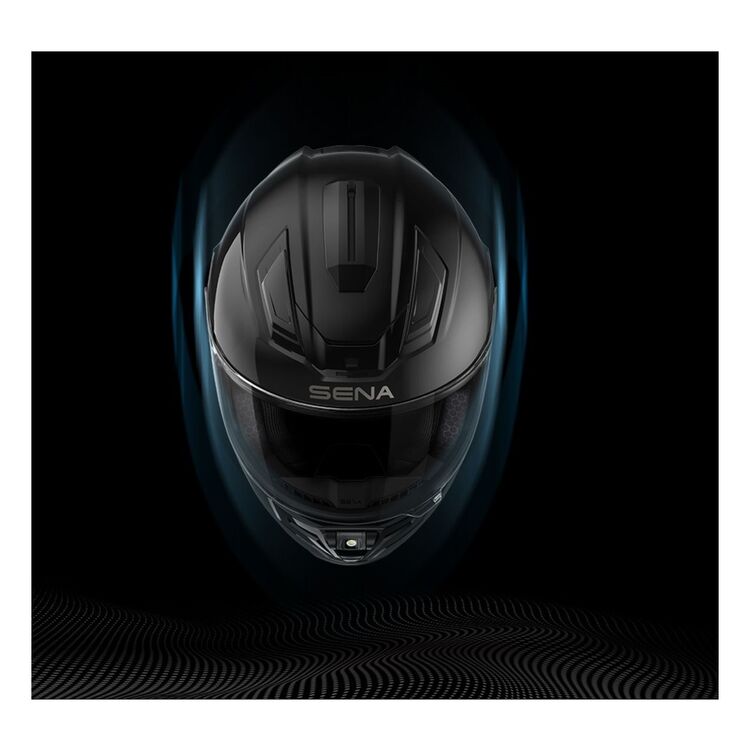
Innovations in Helmet Technology
Advancements in helmet design include:
- Smart Helmets: Equipped with communication systems, GPS, and heads-up displays.
- Integrated Communication Systems: Allow riders to communicate with others or listen to music without external devices.
These innovations aim to enhance safety and rider experience. For example, smart helmets can provide real-time data on speed, navigation, and even monitor vital signs.
Advocacy for Enhanced Regulations
Continuous improvement in helmet standards is essential to address emerging safety concerns. Riders and advocacy groups play a vital role in pushing for stricter regulations and better testing methods.
Engaging in discussions, supporting research, and staying informed about new standards can contribute to overall rider safety.
Conclusion
Adhering to motorcycle helmet safety standards is paramount for rider protection. By choosing helmets that meet recognized certifications like DOT, ECE, or Snell, riders can significantly reduce the risk of head injuries. Prioritizing safety by selecting certified helmets is a proactive step toward ensuring a safer riding experience.
As helmet technology continues to evolve, staying informed about new standards and innovations will help riders make the best choices for their safety.
If you want to find the right motorcycle helmet for you, I have plenty of buying guides and reviews posted to this site, and all the helmets I review are held to these high safety standards.
