
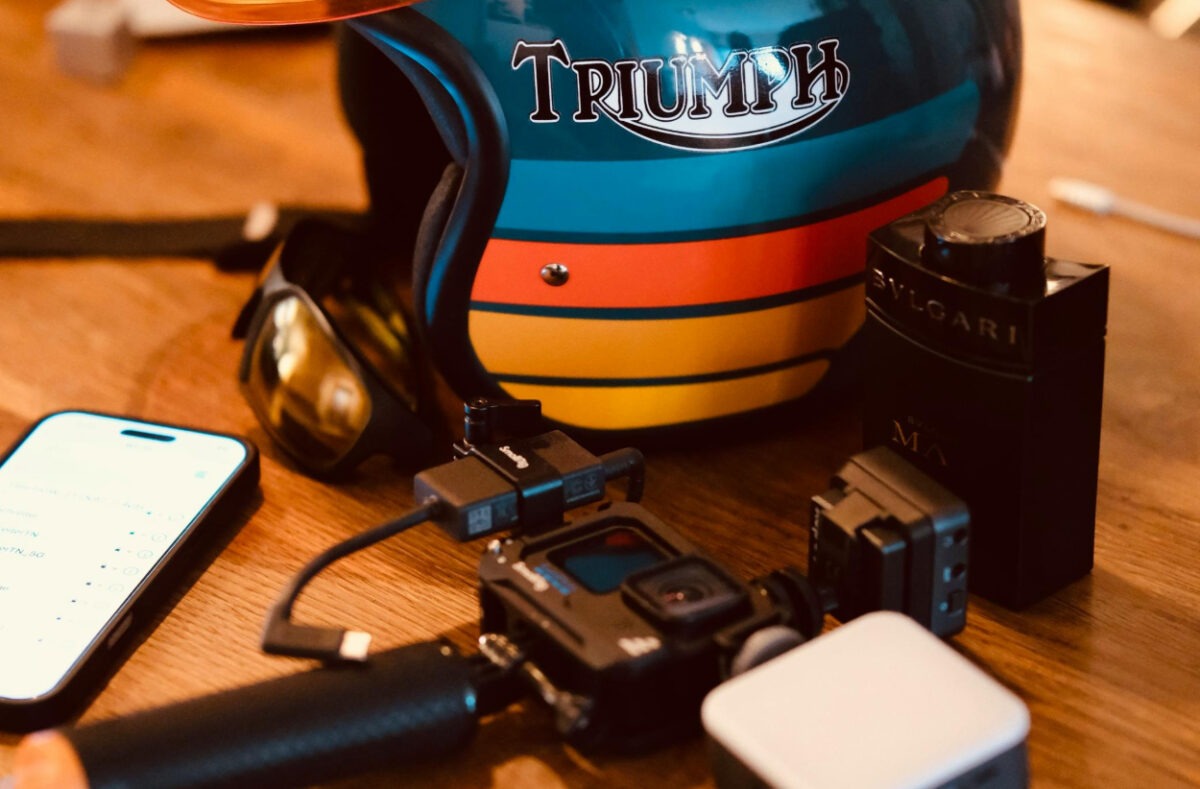
A lot of riders start paying more attention to photography right around the time they start putting serious miles on. Not always intentionally. It usually starts with wanting to document a good road trip, or trying to show someone who doesn’t ride what a road actually looks like from the saddle. And then something clicks.
The connection between motorcycling and photography makes more sense the more you think about it. Both reward the same kind of attention.
The Road Trains Your Eye
Riding teaches you to read the environment constantly. You’re scanning ahead, taking in the light, the shadows, the surface of the road, the way the landscape opens or closes. You notice the hawk on the fence post, the fog sitting in the valley below, the way afternoon light hits a particular curve.
That’s a photographic eye. You’re doing the work of a photographer without a camera, picking out the frame within the larger scene, noticing what’s worth noticing. At some point it becomes natural to want to capture what you’re seeing instead of just experiencing it.
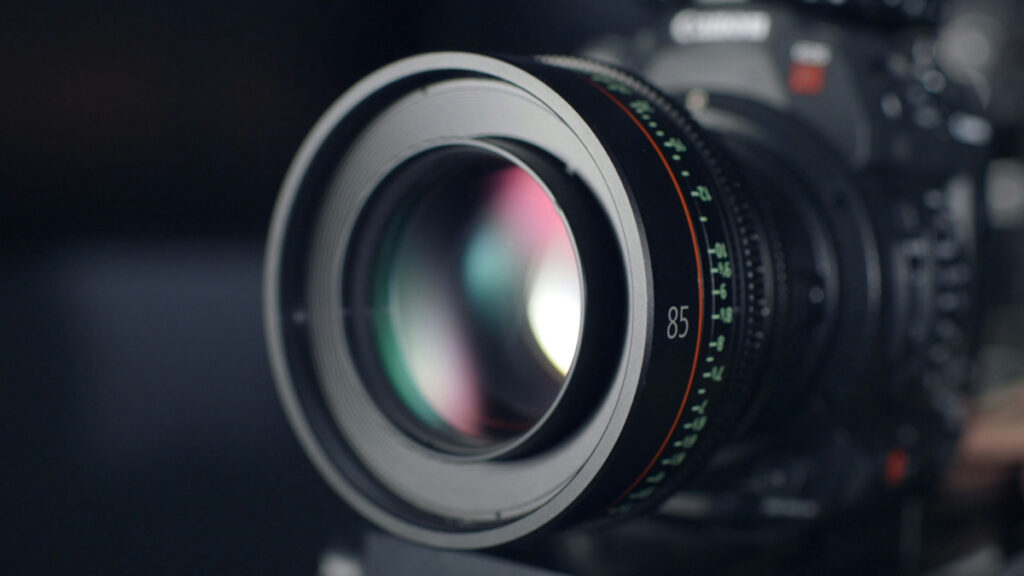
The Frustration That Starts It
For most riders, the photography interest starts with frustration. You see something genuinely beautiful from the saddle, a view, a road, a moment of light, and you have no way to show it to anyone.
A phone photo from the roadside doesn’t do it. The GoPro footage is shaky and the compression kills the color. You want to actually capture the thing you’re seeing.
That frustration is productive. It’s the same thing that makes someone start cooking seriously after enough mediocre restaurant meals. You want the thing done right.
Action Cameras as a Starting Point
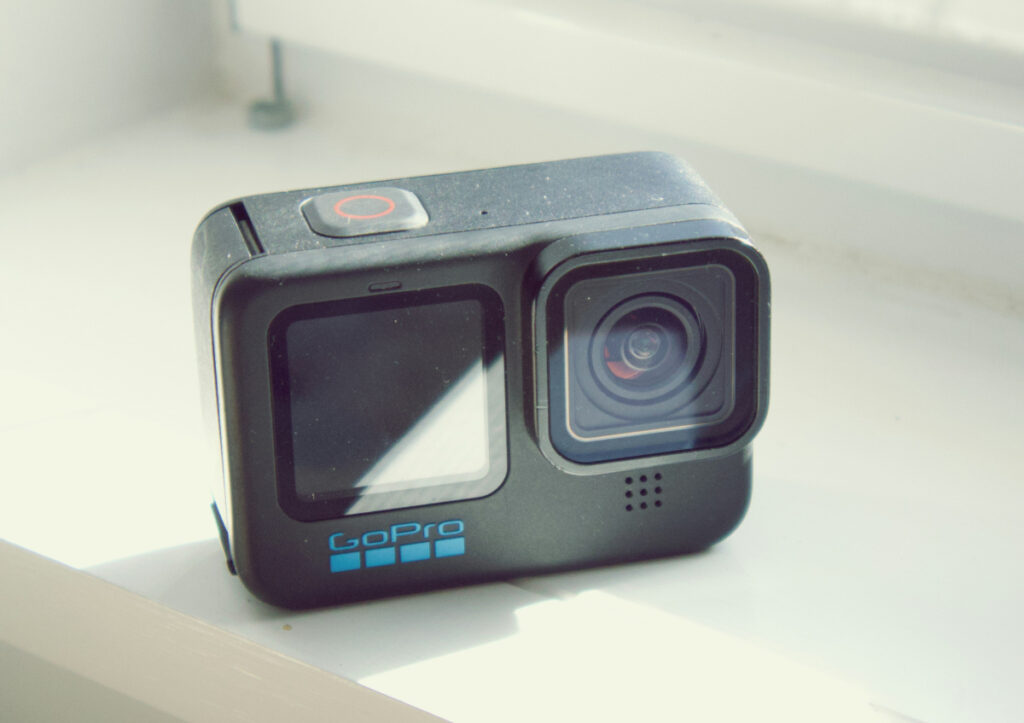
Most riders start with an action camera. A GoPro Hero mounted on the helmet or handlebars captures the ride itself in a way that’s hard to replicate otherwise. The footage has kinetic energy that no other shooting position provides.
The helmet mount is the most popular position for a reason: it captures the rider’s exact point of view and moves naturally with the head. Chin mount versus top mount is a personal preference thing, but top mount tends to be more stable and less aerodynamically intrusive on longer rides.
For still photography, a small mirrorless camera in a tank bag with a clear top is a common setup for riders who want to stop and shoot without digging through luggage.
The Communities Overlap More Than You’d Expect
Scroll through any serious motorcycle travel account online, and you’ll find photography that’s genuinely good.
The moto travel photography community is real and active, and the standard has gotten high. Instagram and YouTube built an audience for this stuff in a way that didn’t exist fifteen years ago, and the riders doing it well tend to take both sides of it seriously.
It also gives riding another dimension. A trip that’s only about covering miles is satisfying in one way. A trip where you’re also thinking about what you might capture adds a layer of purpose that makes you look at the roads differently.
You Don’t Need Expensive Gear
The riders doing the best moto photography are not always the ones with the most expensive cameras. What they have is a good eye, which costs nothing, and experience with their roads and light conditions, which costs only time. The gear matters eventually, but it matters a lot less than most people assume at the start.
If you’re just getting into it, start with what you have and focus on getting the framing and light right. The limitations of a phone camera will push you to think harder about composition, which is the part that actually translates to better photos when you eventually upgrade.
For more on building out your road trip kit so a camera fits naturally into it, the packing light piece on this site covers how to organize your gear without weighing the bike down.
