
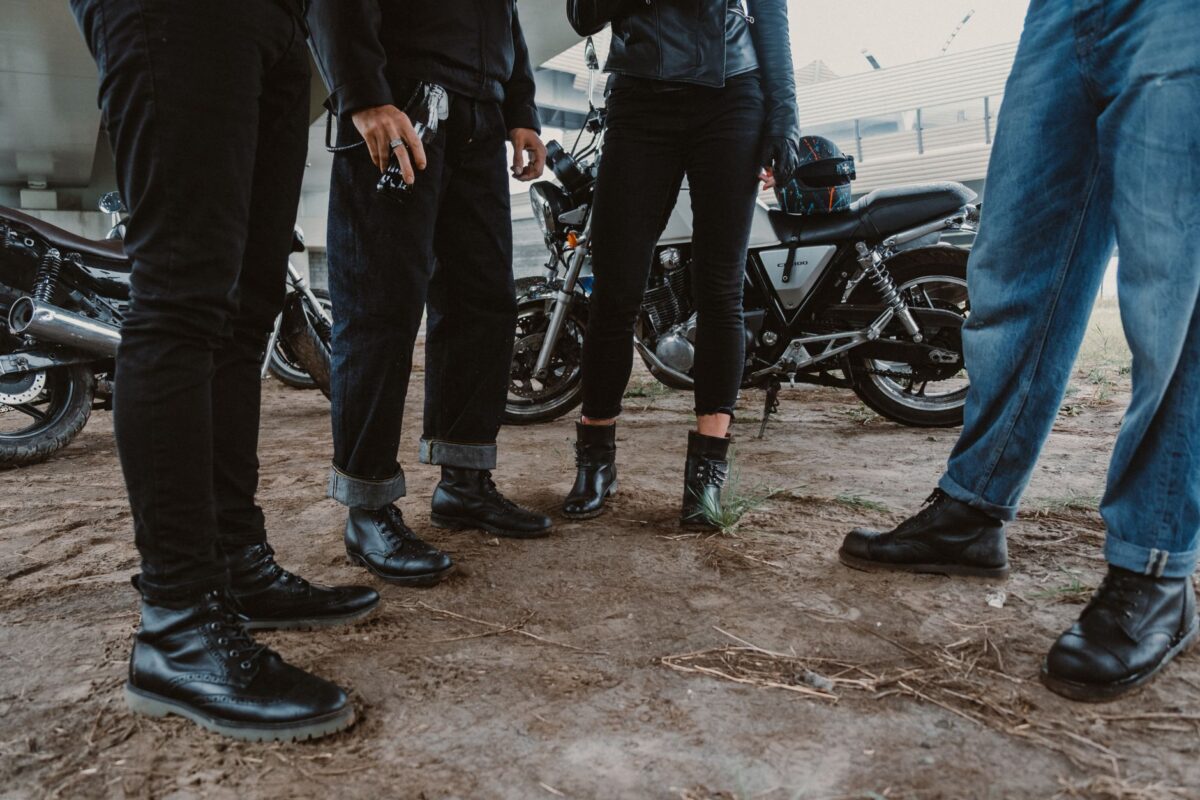
A lot of riders spend years in regular boots before they make the switch to motorcycle-specific footwear. Work boots, hiking boots, leather lace-ups that look good and feel comfortable: all of these are common on bikes, and all of them offer some level of protection over sneakers.
But the gap between a motorcycle boots vs regular boots is larger than it looks from the outside, and understanding what that gap actually is makes the decision a lot clearer.
What Regular Boots Don’t Do
The ankle is the main story for motorcycle boots.
In a low-side crash, the foot typically twists and the ankle absorbs significant torsional force. Regular boots, even sturdy ones, are not built to resist that kind of force. The leather may be thick, but there’s no internal structure designed to prevent lateral ankle rotation under impact load.
Motorcycle boots have internal ankle protection: rigid or semi-rigid cups positioned to resist the specific forces a crash produces. CE certification for footwear (EN 13634) tests for impact, compression, and cut resistance, as well as ankle displacement under torsional load.
A boot that passes that standard has been tested against the thing that actually injures feet and ankles in motorcycle crashes. A work boot has been tested against none of it.
The other major difference is the sole. Motorcycle boot soles are designed to grip pegs and resist the heat of an exhaust pipe. The shift pad on the left boot protects against wear from the shift lever. Neither of these is a factor in work boot design.
The Comfort Argument Is Getting Weaker
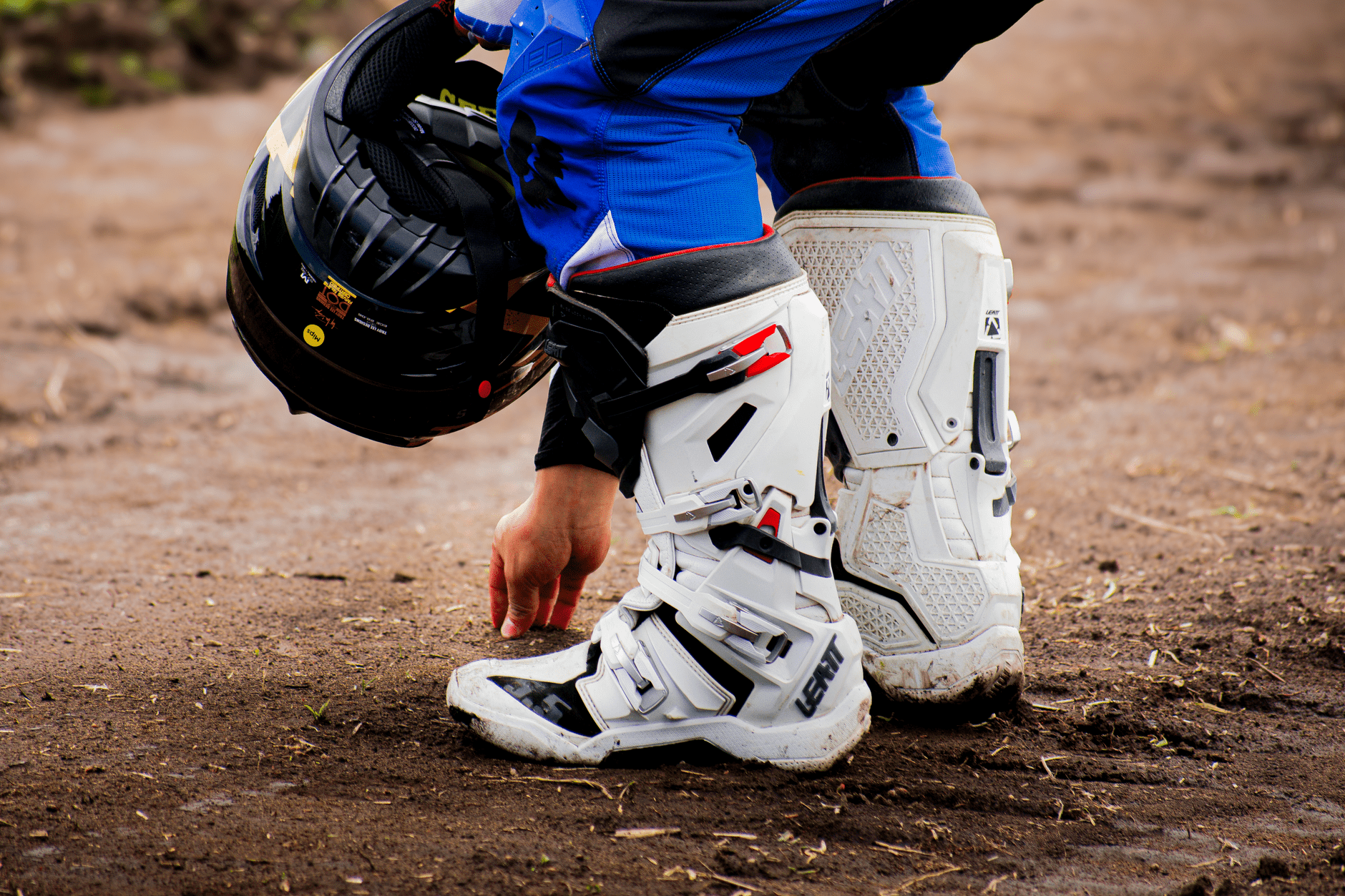
For a long time the reasonable counterargument to motorcycle boots was that they were uncomfortable off the bike, especially those bulky off-road boots. Stiff, heavy, awkward to walk in: the protection came with a significant livability cost.
That’s changed considerably. The category of casual motorcycle footwear has expanded to the point where several major brands now make CE-certified riding boots that look and walk like regular shoes or casual leather boots.
TCX, Alpinestars, and Forma all make options in this category that most people would never identify as motorcycle gear from a distance.
The internal ankle protection, shift pad, and reinforced sole are all present. The external profile is a low-cut leather boot or sneaker. The compromise is smaller than it used to be.
The Sliding Scale of Protection
Not every ride carries the same risk profile. A short commute on familiar roads at moderate speeds is different from a multi-day trip on unfamiliar mountain roads.
Most riders calibrate their gear to something between full race-level protection and nothing, and that’s a reasonable approach.
The baseline worth holding to: anything that keeps your ankle supported and your feet on the pegs without slipping is a starting point. Purpose-built motorcycle footwear handles both more reliably than repurposed work or hiking boots, and the current options make it easy to do that without giving up wearability.
A Note on Waterproofing
If you ride in wet conditions at all, waterproofing in your boots is worth prioritizing. Cold, wet feet affect your focus and your mood on a long ride more than almost any other discomfort.
Several of the major brands offer waterproof-lined versions of their popular models without a significant weight or flexibility penalty.
You might also enjoy:
If you’re looking for some specific articles on great types of motorcycle boots, check out the motorcycle boots tag for all my articles on the subject.
