
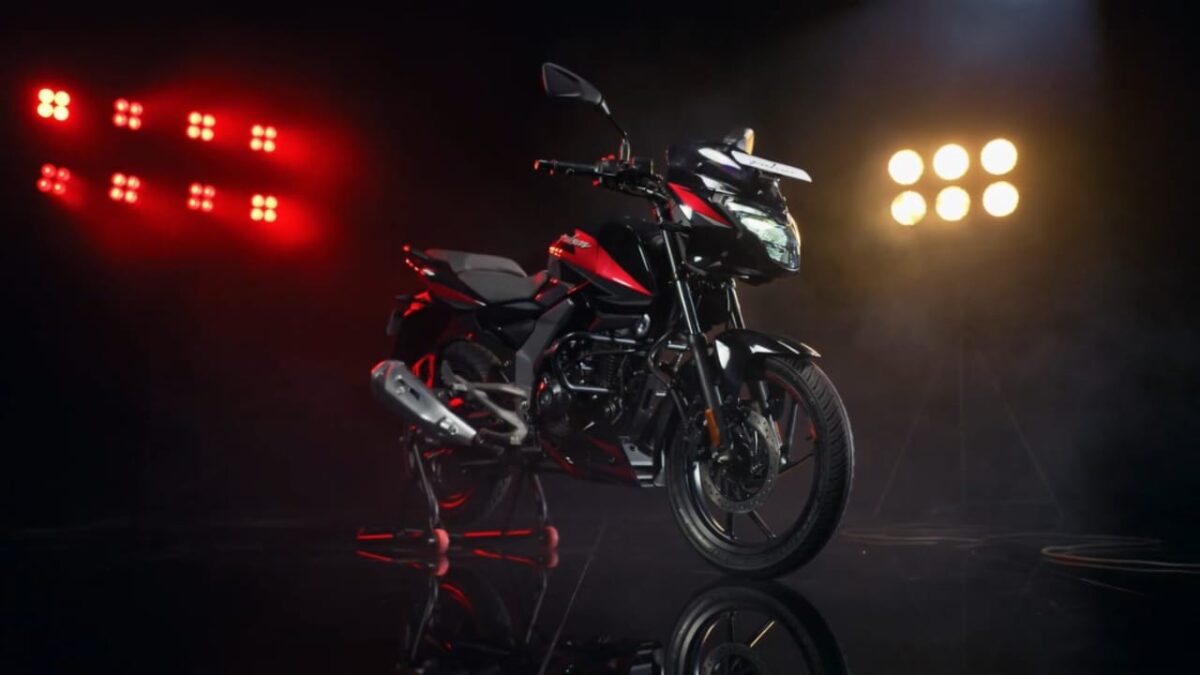
Bajaj Auto has launched the 2026 Pulsar 125 in India with a larger equipment list and a small increase in engine output. Prices start at Rs 92,900 for the single-seat LCD version and reach Rs 1,04,318 for the split-seat model with a TFT display and connected features.
The update gives Bajaj’s entry-level Pulsar a 124.58cc engine making 12.1 horsepower and 11.4 Nm of torque. The outgoing bike produced 11.8 horsepower and 10.8 Nm, so the change is modest, but the hardware story is bigger.
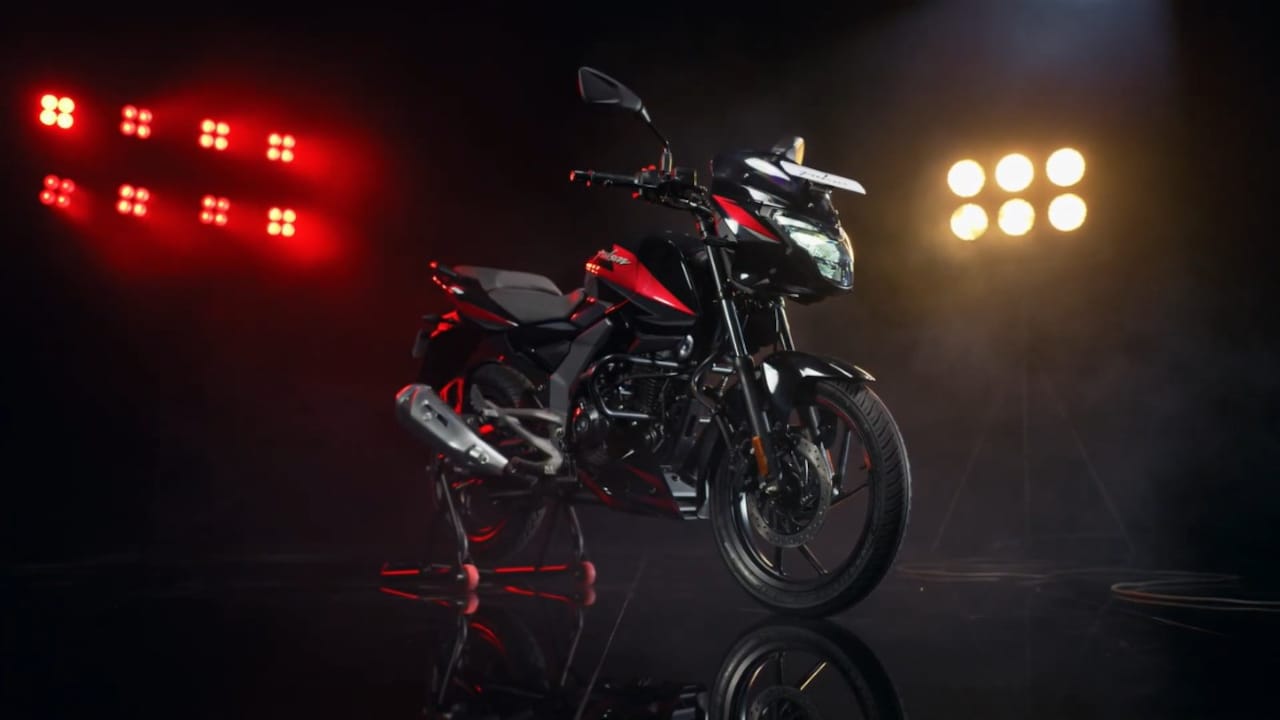
A More Developed Pulsar 125
The most visible change is the choice of instrumentation. Buyers can select a 4.8-inch digital LCD or a 5-inch TFT, with the upper trim adding Bluetooth, Wi-Fi, Google Maps integration, and screen mirroring.
USB Type-C charging is available as well, although it is optional on LCD-equipped versions. The split-seat TFT variant with connected equipment is priced at Rs 1,04,318 ex-showroom in Delhi.
Chassis Changes Matter More
Bajaj has replaced the old twin rear shocks with a monoshock that provides 110mm of travel. Up front, the bike uses a 31mm telescopic fork with 125mm of travel, while the front disc grows from 240mm to 260mm and the rear stays a 130mm drum.
That combination moves the Pulsar 125 further away from basic commuter equipment without changing its five-speed layout or combined braking system. It also gives Bajaj more room to separate the model from the Pulsar 150, even though the two bikes still sit close together in the lineup.
Bajaj is positioning the new motorcycle as a more feature-heavy entry point, but the price increase over the outgoing model will shape the response. The old single-seat version started at Rs 81,556, making the new model’s extra equipment a significant part of the buying decision.
This is also a useful follow-up to our recent look at Bajaj’s broader Pulsar refresh strategy. The 2026 Pulsar 125 shows that the company is applying that approach to its smallest mainstream motorcycle.
Source: India Today, BikeWale
