
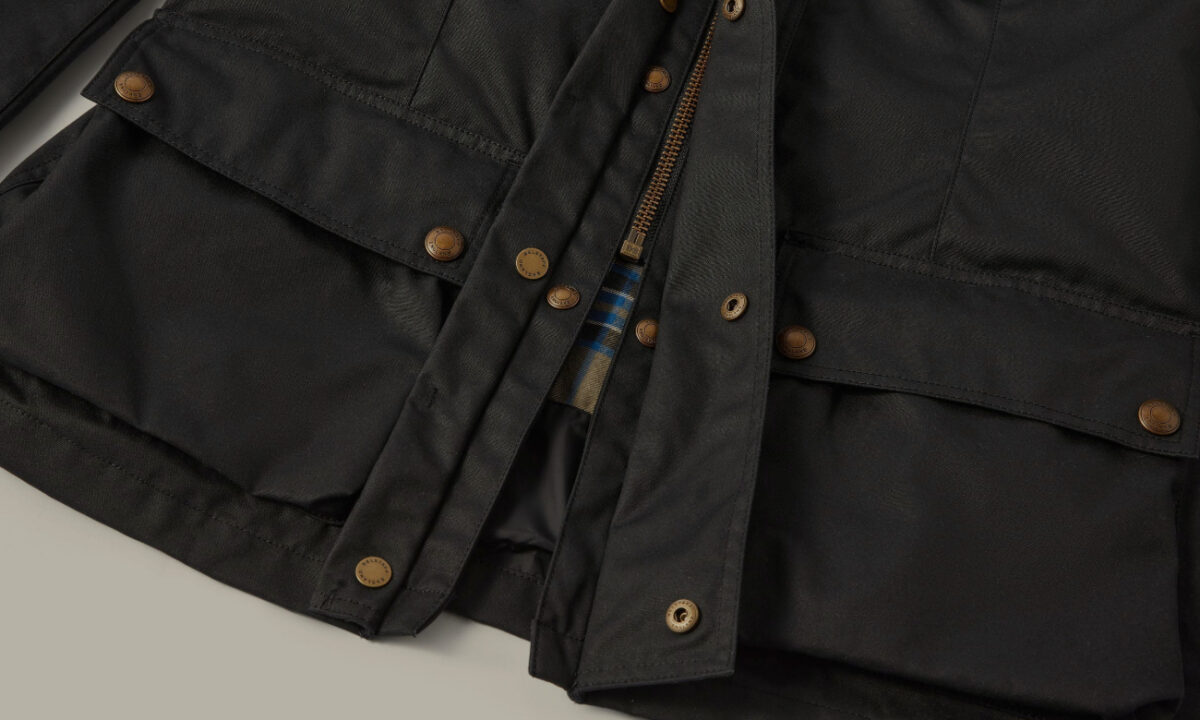
Waxed canvas is one of the original technical fabrics. Long before synthetic Cordura or Kevlar existed, riders relied on heavy cotton impregnated with paraffin or beeswax to repel rain, block wind, and resist road rash.
Today’s waxed canvas jackets keep that classic look while pairing it with modern impact armor and reinforced Kevlar or Aramid linings. Whether you ride a cafe racer, custom scrambler, or daily commute on a modern retro naked machine, these top-performing waxed canvas motorcycle jackets deliver genuine safety alongside heritage style.
Quick Comparison Guide
| Jacket Model | Style Profile | CE Armor Included | Waterproof / Lined | Best For |
| Belstaff Trialmaster | Classic British Trial | D3O Level 1 (Shoulders/Elbows) | Waterproof membrane + Waxed finish | Iconic Heritage & All-Weather |
| Iron & Resin Mojave | Rugged Workwear / Cruiser | Pockets only (D3O compatible) | 14.75 oz Heavy Canvas + Flannel | Cold Weather & Heavy-Duty Wear |
| Tobacco Motorwear Trucker | Classic Western Trucker | D3O Level 1 Included | Kevlar lining + Waxed Canvas | Urban Commuters & Minimalist Style |
| Cortech Rambler Waxed | Utility / Modern Retro | CE Level 1 Included | Water-resistant + Thermal Liner | Best Value Under $250 |
How to Choose a Waxed Canvas Jacket
Many high-volume gear sites list waxed jackets purely based on looks, missing critical safety details that matter when you hit the pavement. Keep these technical details in mind before buying.
1. Canvas Weight and Abrasion Resistance
Raw, unreinforced waxed canvas looks tough, but standard 8 to 10 oz cotton canvas burns through in under a second during a slide on asphalt.
Look for jackets offering two critical layers of defense:
- Heavyweight Outer Canvas (12 to 15 oz): Offers higher natural tear and friction resistance.
- Aramid or Kevlar Backing: Premium jackets hide an inner layer of high-tenacity aramid fabric between the outer canvas shell and the inner lining.
- CE Ratings (EN 17092): Look for an official certification. Target Class A for urban riding, or Class AA for higher-speed highway use.
2. Water Resistance vs. Waterproofing
Waxed canvas is naturally water-resistant. The wax coating causes light rain, road spray, and fog to bead up and roll off. In a prolonged downpour, moisture eventually seeps through needle holes in the stitched seams.
If you ride in heavy wet weather frequently, select a jacket that features a dedicated internal waterproof membrane (such as TriTex or Hipora) beneath the canvas.
3. Armor Compatibility
Verify whether impact armor is included or if the jacket only features internal armor pockets.
Because canvas is stiffer than synthetic mesh, low-profile, flexible armor (such as D3O Ghost or SAS-TEC TripleFlex) works best. It conforms to your body without creating awkward bulk or ruining the jacket’s silhouette.
The Best Waxed Canvas Jackets Detailed
1. Belstaff Trialmaster Waxed Jacket
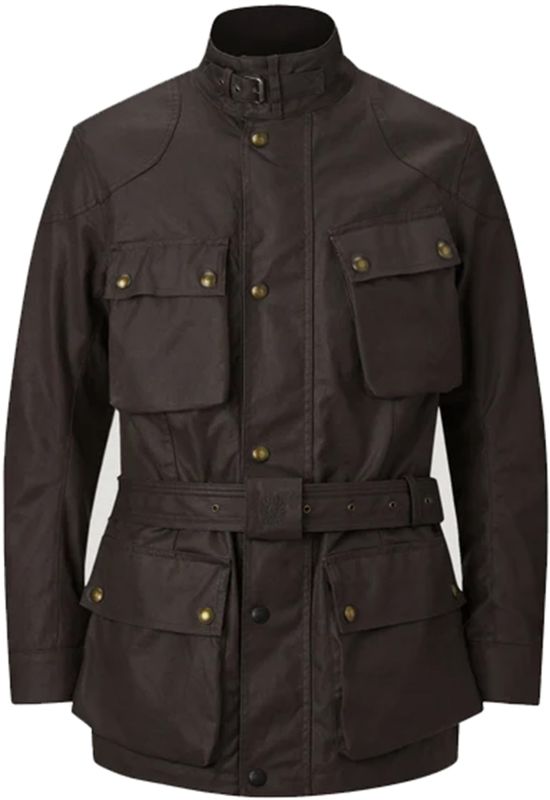
The Benchmark for All-Weather Riding
First introduced in 1948 for the Scottish Six Days Trial, the modern Pro variant retains its British design while integrating full modern protection.
- Safety Specs: Class A CE-certified with low-profile D3O Level 1 armor in the shoulders and elbows, plus a pocket for a back protector.
- Weatherproof Performance: Features 10 oz British Millerain waxed cotton backed by a breathable, fully waterproof membrane.
- Pros: Solid build quality, brass hardware, and reliable weather protection.
- Cons: High price point; slim European tailored fit may require sizing up for layering.
- The Verdict: A solid choice for an all-weather heritage riding jacket built for long-term use.
2. Tobacco Motorwear Waxed Canvas Trucker
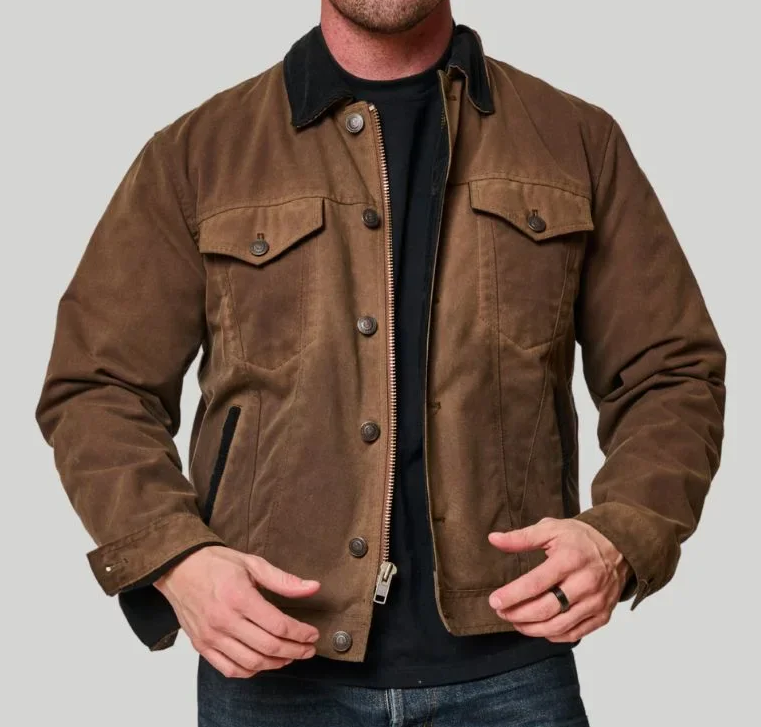
Casual Style with Kevlar Armor
Modeled after the classic American Type III trucker jacket, Tobacco Motorwear hides protective engineering beneath a standard exterior.
- Safety Specs: High-friction zones are backed by a full lining of 100% DuPont Kevlar. Includes removable D3O Level 1 armor for shoulders, elbows, and back.
- Weatherproof Performance: Heavyweight waxed canvas shell resists light rain and blocks wind.
- Pros: Subtle design, durable construction, and ages gradually with use.
- Cons: Canvas feels stiff directly out of the box and requires a break-in period.
- The Verdict: A practical option for city commuters and café racer riders who prefer street-styled gear.
3. Iron & Resin Mojave Jacket
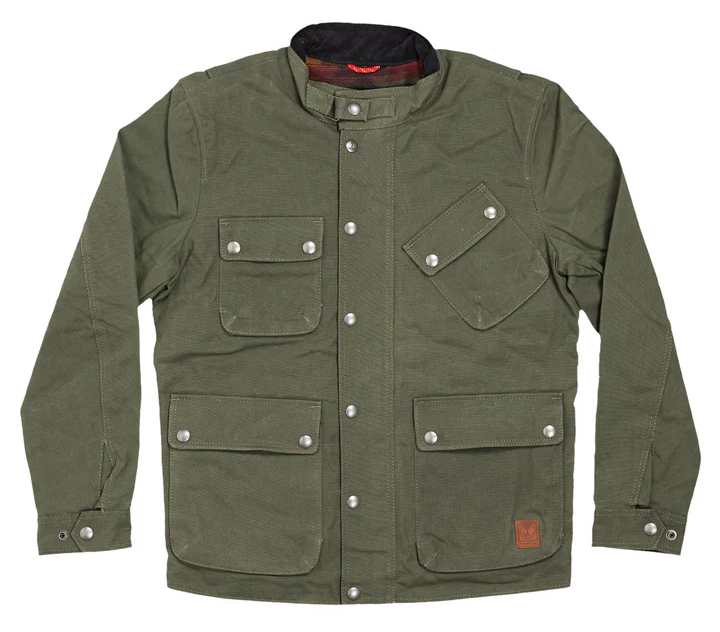
Built for Cold Weather and Hard Use
Engineered in California, Iron & Resin designed the Mojave for riders who favor a workwear-inspired look for rough trails and cold weather.
- Safety Specs: Heavyweight 14.75 oz Shelter Canvas construction. Features internal pockets designed to fit standard D3O or Knox armor (sold separately).
- Weatherproof Performance: Heavy canvas treated with a paraffin wax finish, paired with a soft cotton flannel interior lining.
- Pros: Heavy outer material, corduroy-lined collar and cuffs, and a relaxed fit for easy layering.
- Cons: Does not include armor out of the box; lacks an internal waterproof membrane for heavy rain.
- The Verdict: Well suited for fall riding, cruiser setups, and riders who prefer heavy fabric density.
4. Cortech Rambler Waxed Jacket
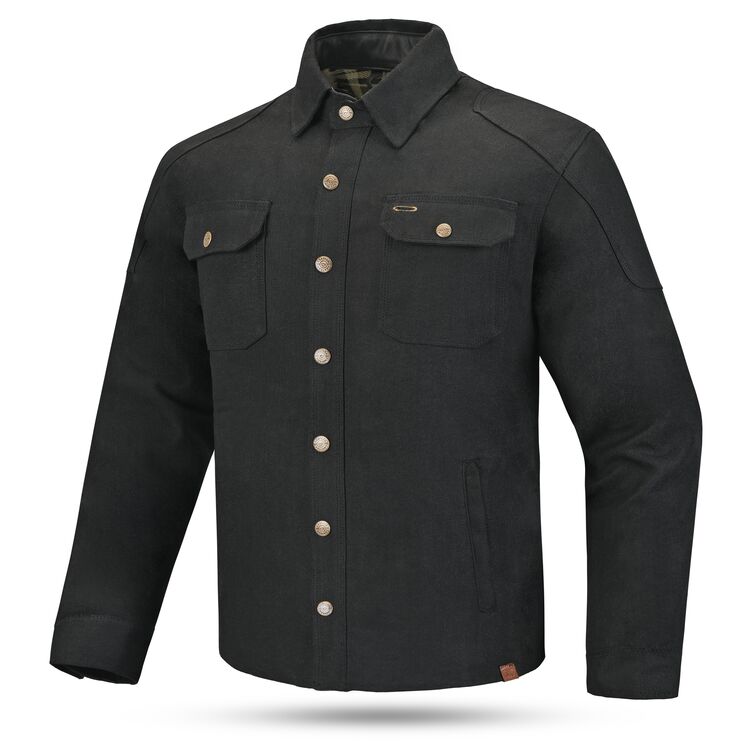
Utility Option Under $250
Cortech offers a budget-friendly option for riders who want the look and functionality of a classic utility jacket.
- Safety Specs: 12 oz wet-waxed cotton shell reinforced with 100% DuPont Kevlar in the shoulders and elbows. Includes CE Level 1 arm guards and a density back pad.
- Weatherproof Performance: Features a water-resistant wax coating along with a removable 100g thermal vest liner for cold mornings.
- Pros: Good value for money; included thermal liner extends your riding season; practical pocket space.
- Cons: Synthetic finish feels slightly stiffer than traditional British waxed cotton.
- The Verdict: A cost-effective choice for touring and commuting riders who need versatility.
Maintenance Guide: How to Care for Waxed Canvas
Taking care of waxed canvas differs from handling standard textiles or leather. Follow these guidelines to preserve the jacket’s finish and weatherproofing:
- Avoid Machine Washing or Dry Cleaning: Hot water and detergent strip the wax finish and damage the fabric structure.
- Spot Clean Only: Use a stiff brush to knock off dry dirt and mud. For stubborn dirt, sponge the area using cold water and mild, detergent-free soap.
- Re-Wax Periodically: Apply canvas reproofing wax (such as Martexin or Otter Wax) every 12 to 18 months to thin areas along seams and elbows. Soften the wax using a hair dryer, rub it evenly into the canvas using a clean rag, and warm it again so it melts into the weave.
