
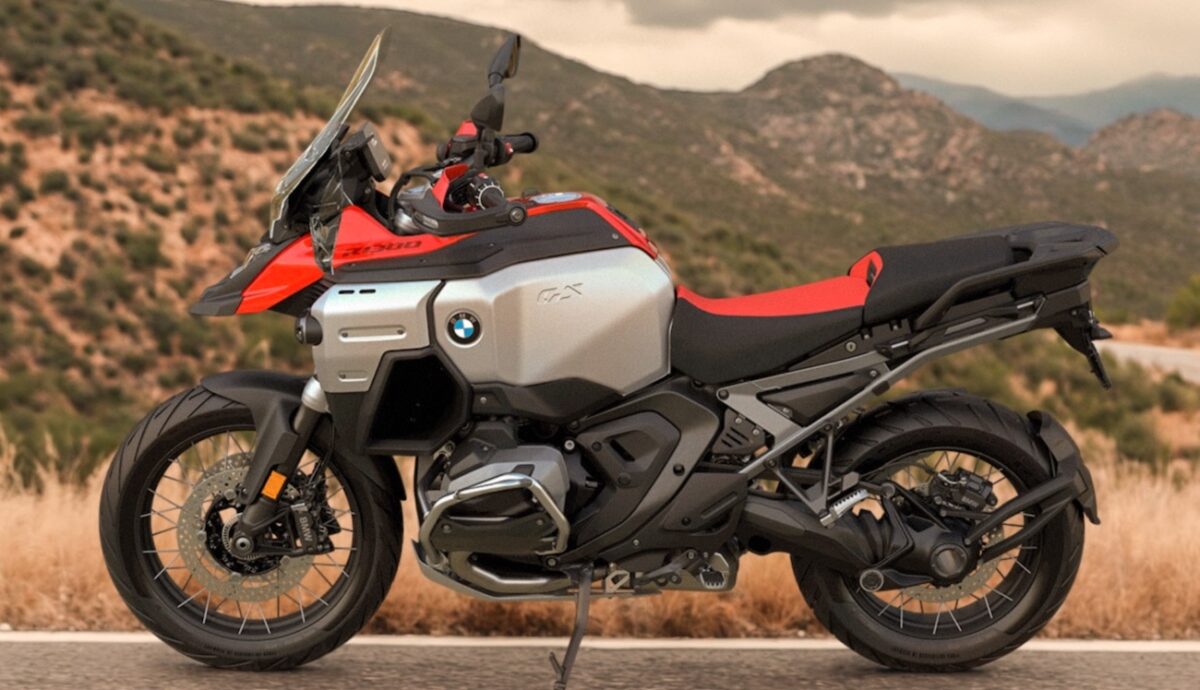
Years ago, a motorcycle road trip was something you planned for retirement, or maybe that one magical summer you had off. You saved up for years, cleared your calendar, and went for it. And then you spent the next decade telling the story.
Now? Adventure travel on two wheels isn’t the exception. It’s becoming the norm.
Something has shifted. More riders are younger, more diverse, and increasingly uninterested in traditional vacation models. They’re not booking all-inclusive resorts or renting beach condos. They’re strapping a sleeping bag to a bike and actually going places. They’re crossing continents, exploring regions most tourists never reach, and documenting it in real time.
Why Now?
There are a few things converging:
Better bikes.
Ten years ago, if you wanted a bike that could handle gravel roads and highway miles and comfort, you had to compromise on everything. Now? The adventure bike category is exploding.
You can get a solid mid-size adventure motorcycle that’ll go anywhere from $5,000-$10,000, with real capability right out of the box. Brands like BMW, Yamaha, and Honda have refined the category to the point where a beginner can genuinely take a trip.
Better information.
YouTube, Instastories, and dedicated moto-travel communities mean you know exactly what you’re getting into before you leave.
There are channel-by-channel breakdowns of routes, gear setups, camping tips, border crossing protocols. The friction of planning has dropped dramatically.
A hunger for realness.
The post-Instagram generation has developed an immune system to staged luxury. They’re rejecting the luxury resort model in favor of something that feels authentic: sleeping on the ground, fixing your own bike in a parking lot, eating street food in a town you can’t pronounce.
That’s the opposite of tourism.
Work got flexible.
Remote work didn’t create motorcycle travel, but it sure enabled it. If you can work from anywhere with wifi, a three-week trip stops being “vacation” and starts being “just my life, somewhere else.”
This year I know a few riders who are doing extended stretches. Things like a month in South America, six weeks through Southeast Asia, or living in their own time zone.
The Modern Adventure Rider
The stereotype of the adventure rider used to be an older guy, tons of disposable income, Harley or heavy BMW, matching luggage, the whole package. That rider still exists and keeps the industry running.
But increasingly, you’re seeing twenty-somethings on $6,000 Chinese or Indian bikes, running stripped-down builds. Women in their thirties, traveling solo, posting their best content while riding gravel through Patagonia. Couples splitting the gear between two bikes and making decisions camp-by-camp about where to go next.
The Gear Equation
Here’s where adventure travel gets interesting: it’s forced a reckoning with what gear actually matters versus what’s just marketing.
For a long trip, you need:
Good luggage, full stop.
You’re not fitting everything in your backpack. Hard saddlebags or a good soft luggage system is basically non-negotiable. That’s $500-$1,500 for the solid stuff. It’s worth every penny.
Quality rain gear.
You will hit rain. Days of it, probably. A good textile motorcycle rain suit ($300-$600) is the difference between a miserable day and a manageable one. Waterproofing isn’t optional.
Comfortable riding pants and a jacket for long days.
You’re doing 200-300 mile days sometimes. Your body needs support. Textile jackets with armor and stretch panels and good ADV pants, but you’ll be living in it.
Real boots.
Adventure riding boots that shift between riding and walking ($200-$400) are non-negotiable. Your feet will thank you.
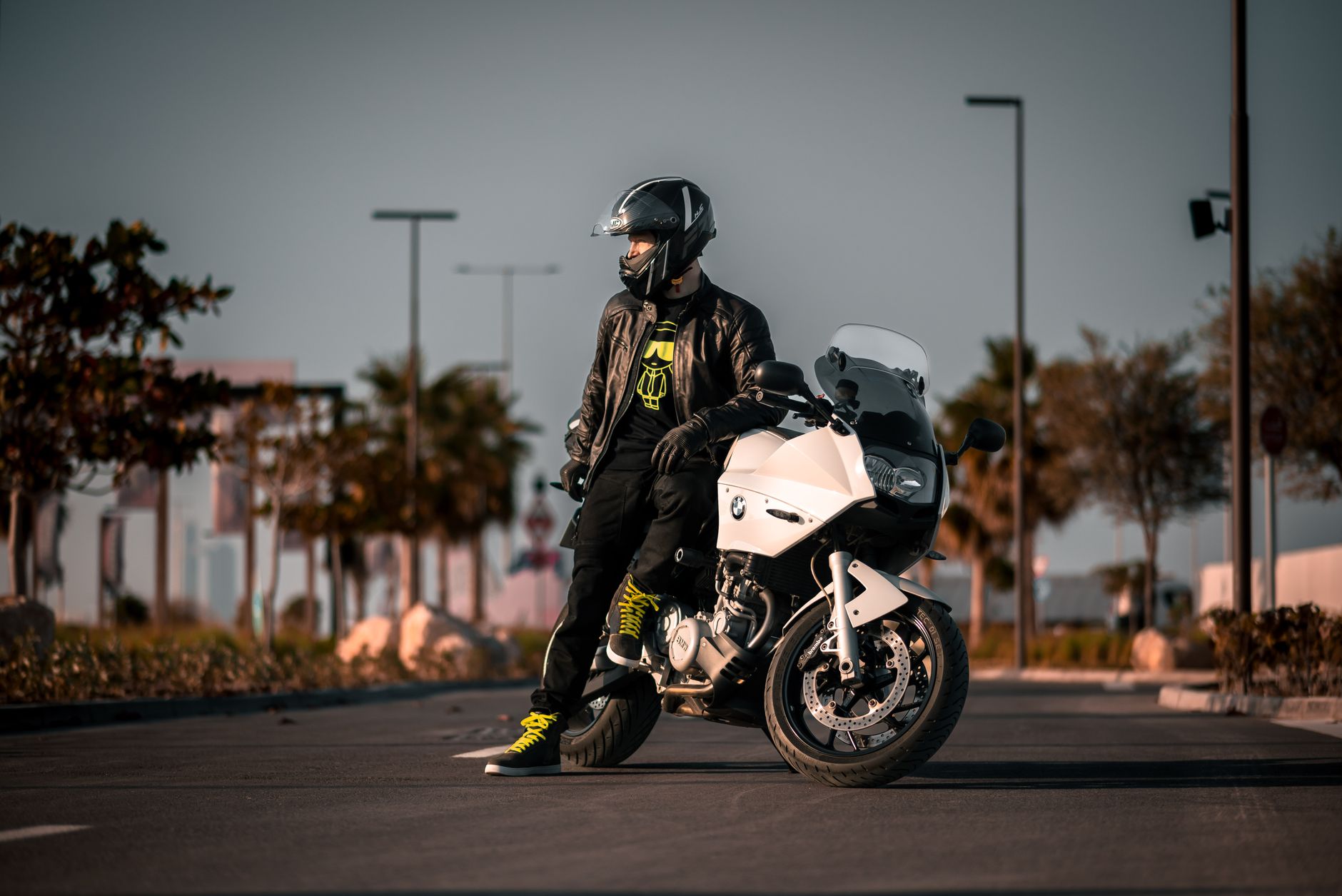
A good helmet, obviously.
But for long touring, you want something that doesn’t fatigue you after six hours. Modular or adventure helmets with good ventilation ($400-$800) are the play.
Navigation that works.
A solid phone mount and offline maps or a dedicated GPS saves your life. Seriously. You don’t want to be searching for signal in rural Bolivia. Budget $200-$400 for this.
That’s real money. $2,000-$4,000 in quality gear. But you’re buying durability and safety, not just features.
The Mental Shift
What’s happening culturally is interesting. The adventure rider community is developing an ethos that’s different from the cruiser crew or the track day guys.
There’s an emphasis on self-sufficiency. You’re learning to fix your own bike because the next mechanic might be 200 miles away. You’re learning to camp, navigate, think on your feet.
There’s a weird minimalism that conflicts with the gear minimalism of the cafe racer aesthetic, but makes sense in context. You take only what you actually need, because you’re carrying it. Every item has to earn its weight.
There’s an openness to community and strangers. Adventure riders will stop to help other riders. You swap camp stories with people you’ll never see again. There’s a generosity to the scene because everyone understands: if your bike breaks down 200 miles from civilization, you hope someone stops.
The Routes Emerging Now
The adventure routes of 2026 aren’t following the Instagram algorithm. They’re going to places that are actually interesting:
Pan-American Highway (the full route).
More riders are attempting the whole thing now instead of just the Mexico-Costa Rica section.
Central Asia.
The Pamir Highway, Silk Road routes through Kazakhstan and Tajikistan. Previously expensive and logistically nightmarish. Now? Better roads, more rider reports, visa processes becoming clearer.
Southeast Asia.
Vietnam to Thailand to Laos. Cheap bikes, incredible riding, no permits, low cost of living. It’s becoming the default “first big trip” for a lot of young riders.
South America.
Carretera Austral in Chile, Ruta 9 through Argentina, the backcountry of Peru. These aren’t new routes, but the rider infrastructure—places catering to adventurers, communities of travelers—has matured.
Why This Matters
The adventure travel boom on motorcycles is a cultural shift. It’s young people refusing the scripted, curated travel experience and instead saying: “I’ll figure it out on the road.”
It’s people with moderate means, proving they can see the world on their own terms. It’s a reclamation of DIY culture, self-reliance, and genuine risk in an era of managed experiences.
And it’s producing a generation of riders who won’t ever be comfortable sitting still for very long.
If you’re thinking about it the moment is now. The routes are documented, the gear is available, and the community is massive and welcoming.
Learn more from the manufacturers:
You might also enjoy:
- The Best Spring Motorcycle Roads in America
- What Motorcycle Travel Teaches You About Packing Light
- Best Motorcycle Rain Gear For Any Rider
The only thing stopping you is the decision to go.
For riders considering a practical platform for that kind of trip, our Custom Yamaha Tenere 700 feature offers a closer look at one adventure-bike approach.
