
Harley just raised its 2026 sales forecast, citing stronger North American demand and positive dealer feedback on new models. The bigger question is whether affordable, customizable bikes can reverse years of market share losses.
The Milwaukee company increased its full-year guidance from 130,000-135,000 units to 133,500-138,500 units during its second-quarter earnings call. It’s a modest bump, but CEO Artie Starrs kept hammering one message: dealer health is improving.
Inventory Discipline Is Actually Working
Second-quarter global sales totaled 42,500 motorcycles, up just 0.5% year over year. The dealership inventory numbers told the real story.
Dealer inventory fell 17% globally versus last year, and 85% of remaining stock consists of current-model-year 2026 bikes. That’s a complete reversal from late 2025, when dealers were drowning in leftover stock and complaining about compressed margins.
Harley expects domestic dealer profitability to double in 2026. The company clearly views healthy dealers as non-negotiable, and the data suggests the strategy is gaining traction.
The Superglide and Deadwood Are Outpacing Expectations
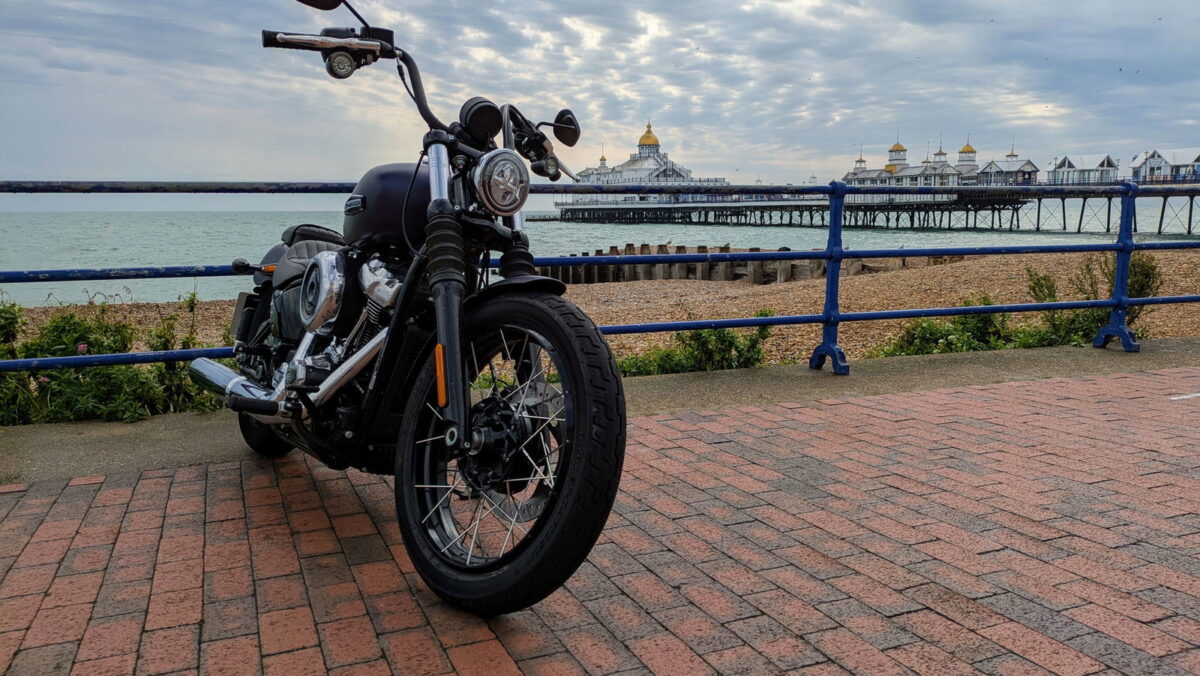
Harley launched the Superglide and Deadwood as more affordable, customizable alternatives to its traditional touring lineup. Both are selling faster than the company anticipated.
The Superglide is recording strong sell-through with MSRP realization among the highest Harley has seen recently. The Deadwood, which just arrived in dealerships, is drawing positive reactions from dealers and motorcycle media for its price point and retro styling within the Softail family. We took a closer look at whether the Deadwood delivers on its stripped-down promise.
Neither bike is a spec revolution. But they’re hitting a price and design combination that seems to appeal to buyers who ignored Harley’s heritage cruisers.
Europe Remains a Disaster
North American sales climbed 3.1%, but the broader picture is uglier. Europe, the Middle East and Africa posted a 9% decline.
Starrs acknowledged Europe is a challenging market and said the company wasn’t satisfied with its performance there. For perspective, Europe’s broader motorcycle market grew 3.3% during the first half of 2026, making Harley’s drop look like a brand-specific problem.
Harley plans to bring back the Sportster 883 in 2027 as a lower-priced middleweight. That’s the company’s bet for fixing its European image problem.
Tariffs Keep Weighing on Margins
Tariff costs are still running $75-90 million annually. Harley will move Rev Max engine production back to the US to reduce future tariff exposure, but that’s a longer-term play.
The company got roughly $20 million in tariff recoveries during Q2. It isn’t expecting more relief for the rest of the year.
The Real Test Lies Ahead
Stronger dealer feedback and raised guidance suggest something’s shifting at Harley. Whether that translates into genuine market recovery is a different question.
One good quarter doesn’t erase years of losses to BMW, Ducati and Triumph across multiple bike classes. The genuine test comes if the Superglide, Deadwood and upcoming lighter models can actually win back riders who’ve already moved on.
Source: Visor Down, Powersports Business
