
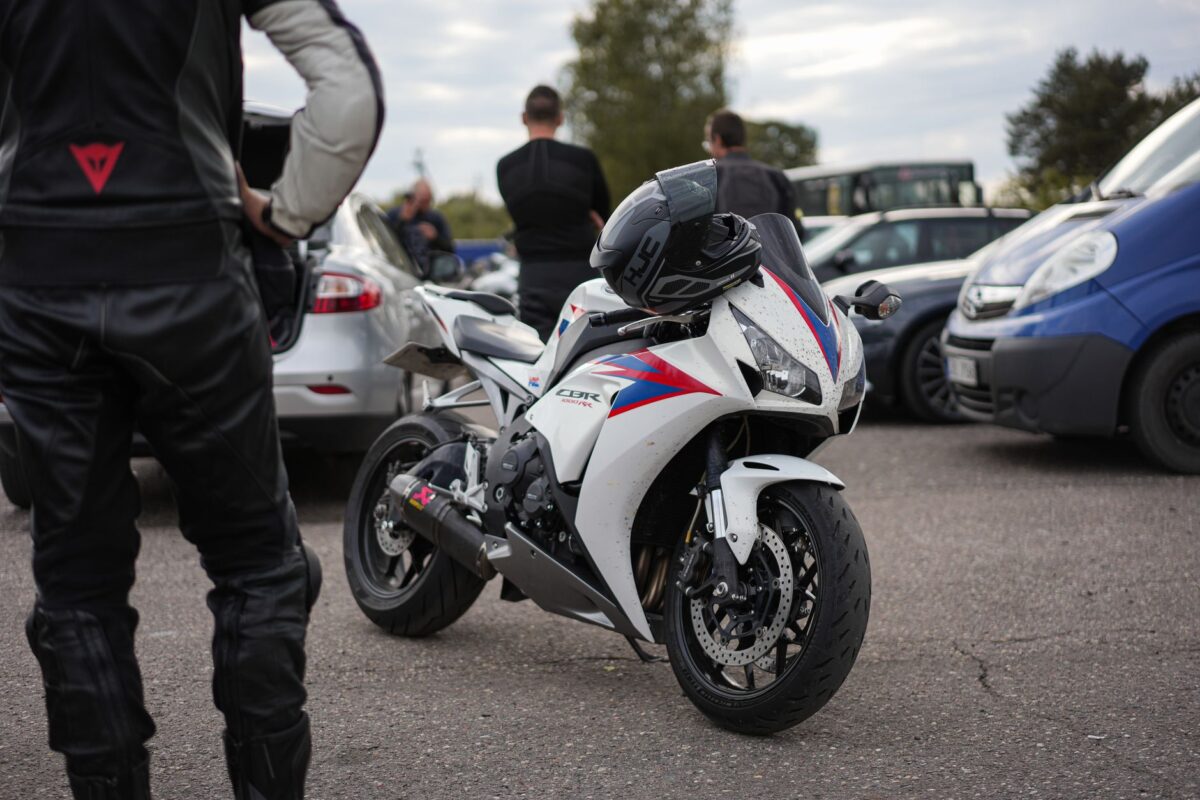
Finding a safe motorcycle helmet on a tight budget used to require major compromises on build quality and testing standards. Many cheap options relied on basic US DOT self-certification, which allows manufacturers to test their own products without independent oversight.
The widespread adoption of the ECE 22.06 safety standard changed that landscape. Helmets must now pass rigorous third-party laboratory testing, including oblique impact tests for rotational brain injury, variable-speed impact points, and high-speed visor penetration tests.
Manufacturers are now building entry-level helmets that pass these modern European safety requirements while keeping retail prices below $200. Here are the top options currently available, along with a realistic breakdown of what you get and where costs were cut.
Quick Top Picks
| Model | Price Range | Best For | Head Shape | Weight |
| HJC C10 | ~$110 – $130 | Maximum safety per dollar | Intermediate Oval | 3.3 lbs (1,500g) |
| LS2 Stream II | ~$150 – $170 | Features & Commuting | Intermediate Oval | 3.5 lbs (1,580g) |
| Scorpion EXO Ryzer | ~$165 – $180 | Snug sport fit | Intermediate/Narrow | 3.6 lbs (1,630g) |
| LS2 Strobe II | ~$170 – $190 | Budget Modular | Intermediate Oval | 3.8 lbs (1,720g) |
My top choice is the HJC C10. HJC has served me well over the years, and I would choose this helmet every time.
Why ECE 22.06 Matters for Budget Helmets
The ECE 22.06 standard replaces the older 22.05 testing protocol. The updated testing process includes several key changes that directly benefit riders buying budget gear:
- Rotational Impact Testing: Sensors measure the rotational acceleration placed on the brain during angled impacts.
- 18 Impact Points: Tests are conducted across 18 target areas on the shell rather than just four fixed locations.
- Low and High-Speed Velocity Drops: Helmets are dropped at higher speeds to test maximum energy absorption, as well as lower speeds to ensure the EPS foam isn’t too rigid for soft impacts.
- Visor Security: Face shields are shot with high-speed steel ball bearings to ensure they do not shatter into the rider’s eyes.
Passing these tests requires better EPS liner density management and stronger shell geometry. An entry-level helmet with an ECE 22.06 sticker offers verified structural protection regardless of its price tag.
The Top ECE 22.06 Helmets Under $200
1. HJC C10
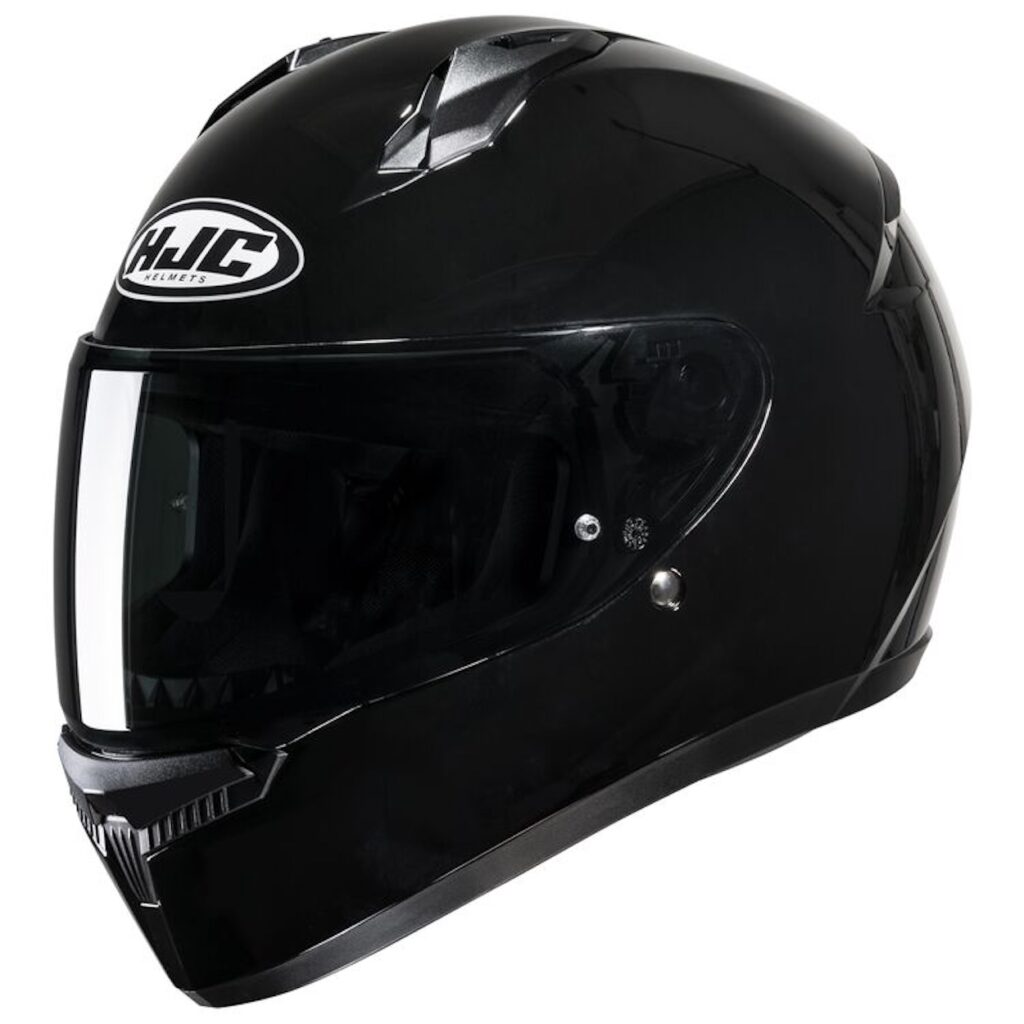
The HJC C10 replaces the long-running CL-17 and CS-R3 models. It is one of the most affordable full-face helmets on the market to carry full ECE 22.06 certification.
HJC focused the budget entirely on core safety and fit. The advanced polycarbonate composite shell is light for its price class, coming in around 3.3 pounds depending on shell size. HJC offers four distinct shell sizes across the size range from 3XS to 2XL, which prevents smaller riders from wearing an oversized, padded-out shell.
Visor optics are clear, offering a 10mm wider field of view than previous entry-level HJC models. The shield is Pinlock-ready, though the anti-fog insert lens is sold separately. Airflow is managed through a central chin vent and top intake ports that route air through channels in the EPS liner.
- Pros: Four shell sizes ensure a proper fit, lightweight construction, wide field of view.
- Cons: No internal drop-down sun visor, basic D-ring closure without quick-release options.
Check the price at Amazon
Check the price at RevZilla
2. LS2 Stream II
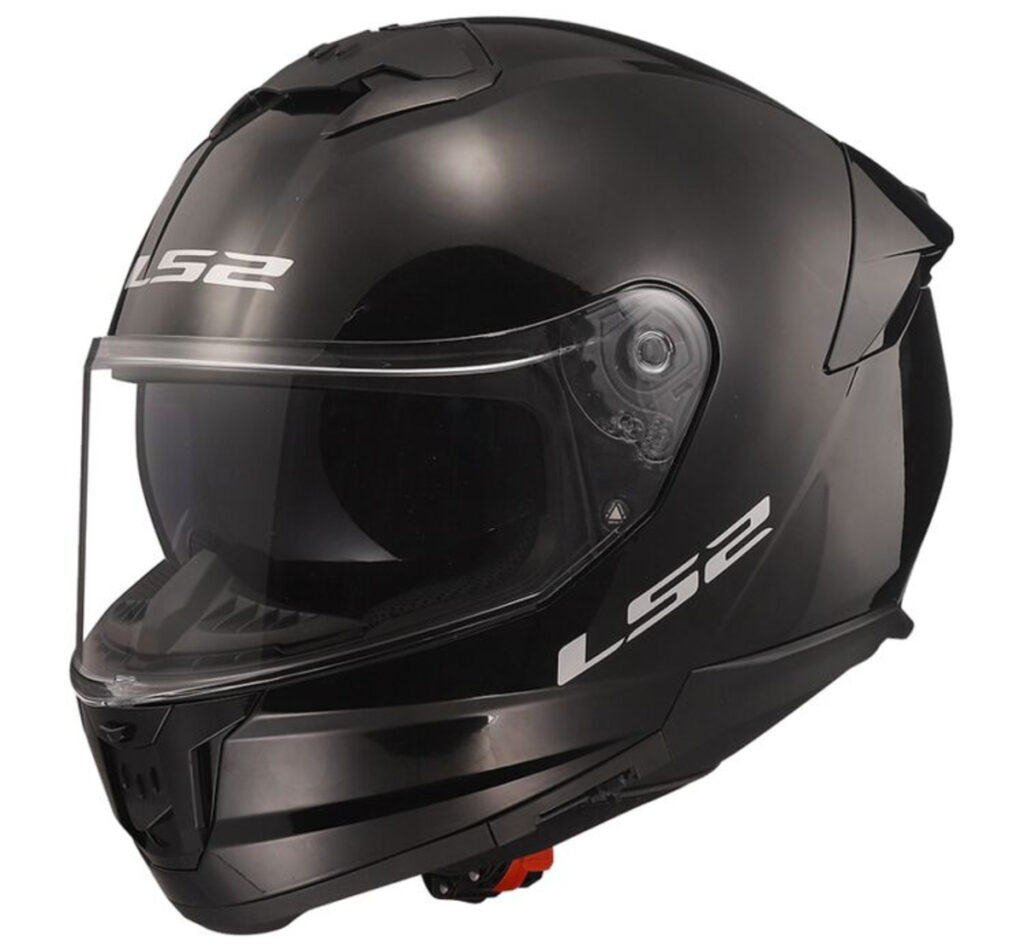
The LS2 Stream II is a feature-rich full-face helmet built specifically for daily commuters. Unlike the minimal HJC C10, LS2 managed to fit an internal drop-down sun visor into a shell that stays well under $200.
The shell is made from LS2’s Kinetic Polymer Alloy (KPA), a blend of polycarbonate and thermoplastic. The drop-down sun shield actuates via a slide switch along the lower left jawline. The mechanism operates smoothly and locks into place reliably.
The main face shield features toolless quick-release removal and includes posts for a Pinlock Max Vision insert. Interior padding is laser-cut for accuracy and removable for washing. LS2 also included speaker pockets for Bluetooth comm units and cutouts in the foam to accommodate eyeglasses.
- Pros: Built-in sun visor, eyeglasses friendly, pre-cut speaker pockets for communication units.
- Cons: Slightly heavier than the HJC C10, wind noise increases noticeably above 65 mph.
Check the price at Amazon
Check the price at RevZilla
3. Scorpion EXO Ryzer
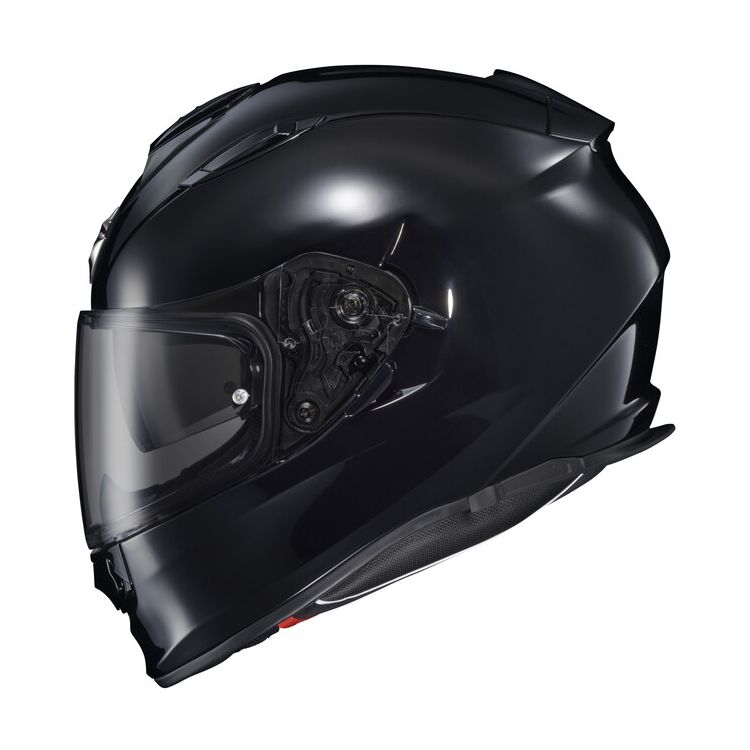
Scorpion is known for trickle-down technology from its higher-end helmets, and the EXO Ryzer brings that approach to the entry-level tier.
The EXO Ryzer uses a polycarbonate shell with a sport profile. The interior features Scorpion’s KwikWick C moisture-wicking fabric, which feels softer against the skin than standard nylon linings found in most sub-$200 options.
The visor mechanism pulls the shield back flush against the eyeport gasket when closed. This creates a tight seal against rain and reduces wind whistle at highway speeds. The chin bar vent routes air directly to the inner surface of the shield to clear light condensation.
- Pros: Excellent interior fabric quality, tight visor seal minimizes wind noise, aggressive style.
- Cons: Snug cheek pads require a longer break-in period, limited color options under $200.
Check the price at Amazon
Check the price at RevZilla
4. LS2 Strobe II
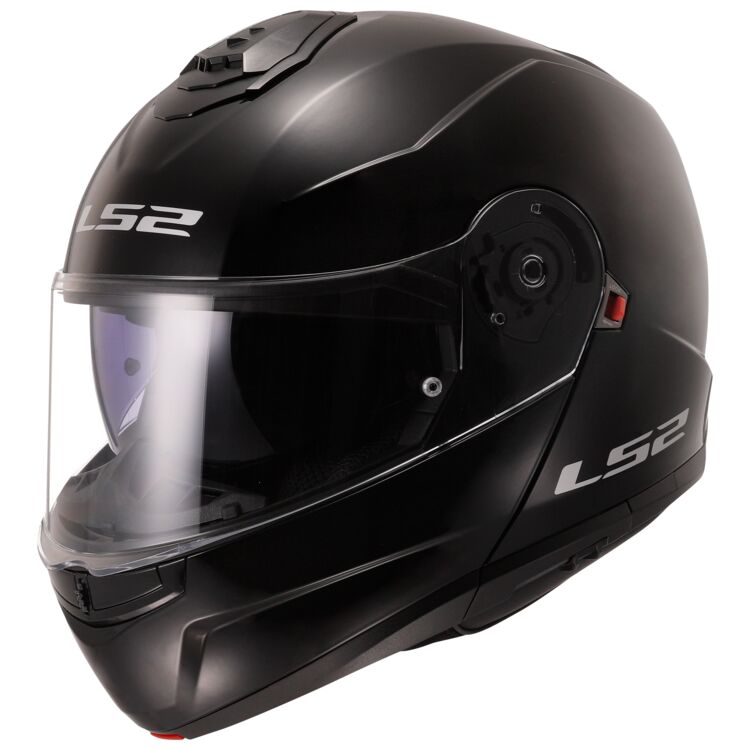
For riders who want the convenience of a flip-up modular helmet under $200, the LS2 Strobe II passes ECE 22.06 under dual P/J certification. This means it is tested and approved for safety with the chin bar locked down or flipped up in the open position.
The metal latching mechanism operates with a single thumb button at the center of the chin bar. It includes an internal drop-down sun shield and a micro-metric quick-release chin strap buckle.
Because of the internal hinge hardware and locking mechanism, modular helmets carry a weight penalty. The Strobe II weighs 3.8 pounds, which is noticeable during long highway days compared to lightweight full-face options.
- Pros: Dual P/J modular certification, convenient central latch button, integrated drop-down visor.
- Cons: Heavier than standard full-face options, shell size is relatively bulky.
Check the price at Amazon
Check the price at RevZilla
Where Manufacturers Cut Costs Below $200
To sell an ECE 22.06 helmet for under $200 without sacrificing safety, manufacturers trim expenses in specific areas. Understanding these trade-offs helps set proper expectations before buying.
- Shell Materials: Carbon fiber and fiberglass composite shells require hand-laying and extended oven cure times. Budget helmets use injection-molded polycarbonate or ABS plastics. These materials are durable and pass impact testing, but they require thicker walls, which adds weight.
- Anti-Fog Features: Almost every helmet in this price bracket has a “Pinlock-ready” visor, but none include the actual $30–$40 Pinlock insert lens in the box. Expect to buy the insert separately if you ride in cold or wet weather.
- Wind Noise Control: Premium helmets use complex neck rolls and dense cheek foam to block noise. Budget helmets use simpler interior padding, leading to higher ambient noise levels at 60+ mph. Earplugs remain essential.
- Paint and Graphics: Solid colorways (flat black, gloss white) offer the best value. Graphic options on the same helmet model often add $20 to $40 to the retail price purely for aesthetic printing.
How to Check Fit at Home
A helmet only protects your head if it fits correctly. Order based on a flexible tape measure reading taken one inch above your eyebrows around the widest part of your head.
When the helmet arrives:
- Put it on without forcing it: The helmet should feel snug across your forehead and crown without creating sharp pressure points.
- Check the cheek pads: Your cheeks should push up slightly toward your eyes. Cheek pads break in up to 20% over the first few hours of riding, so initial snugness is required.
- Perform the roll test: Fasten the chin strap. Grab the rear base of the helmet and try to roll it forward off your head. If it slides over your eyes, the helmet is too large.
- Wear it inside for 20 minutes: Leave the tags on and wear the helmet around the house. Red pressure marks or headaches after 20 minutes indicate an incorrect fit or wrong head shape match.
