

Gear doesn’t come with an expiration date stamped on the side. That’s part of the problem. Most riders have no idea when their stuff stopped actually protecting them. It still looks fine, so it must still work. That’s not always how it goes.
Here’s a category-by-category breakdown of what to look for.
Helmets
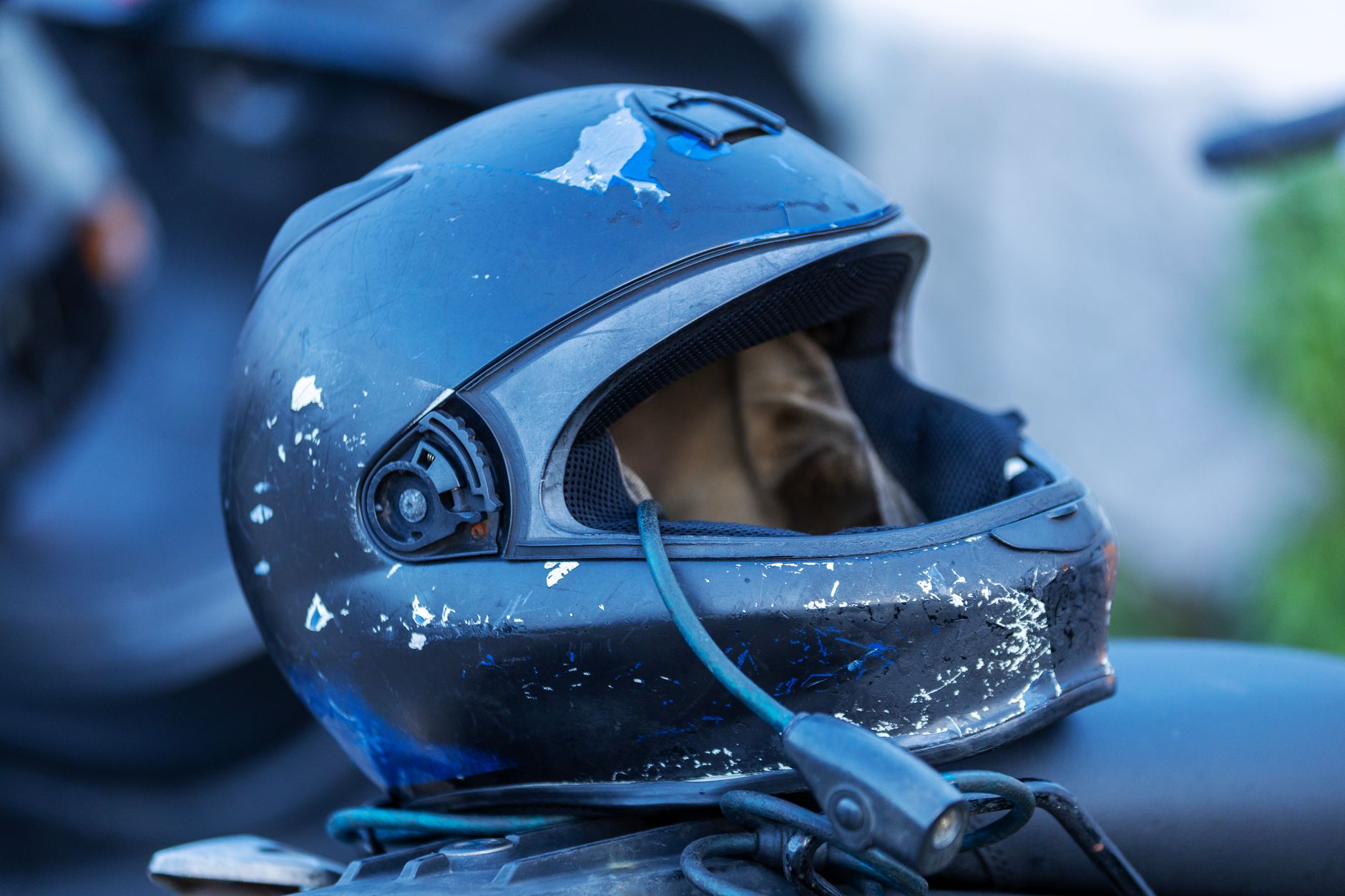
The five-year rule gets mentioned a lot and it’s a reasonable guideline, but the real rule is simpler: replace your helmet after any significant impact, no questions asked.
Helmet foam is designed to absorb energy by crushing. That’s the whole mechanism. Once it’s been compressed in a crash, it’s already done its job and won’t do it again. The outer shell may look completely fine. The foam inside is not. This is why helmet manufacturers are firm on this point, and why you should be too.
Beyond impact, the five-year timeframe accounts for material degradation. The EPS foam, the liner, the retention system, and even the shell can break down over time from UV exposure, sweat, and normal wear. Snell and DOT both test to standards that assume a certain material integrity. Old foam doesn’t meet those standards the same way new foam does.
Check the manufacture date on the inside of your helmet, not the purchase date. If it’s pushing five years old or has taken a hard hit, it’s time.
Jackets
A jacket’s protection comes from two things: the outer shell material and the armor inside. Both have a lifespan.
Leather holds up well to age if it’s been conditioned and stored properly, but even good leather eventually dries out and loses its abrasion resistance. Textile jackets can delaminate, lose their DWR coating, and develop weak spots at stress points like shoulders and elbows.
The armor is the bigger concern. CE-rated foam armor, especially older Level 1 pieces, compresses and loses its energy-absorbing properties over time. If your jacket is more than five or six years old and still running the original armor, replace the armor at minimum. Most armor inserts are inexpensive and sold separately. A replacement back protector or elbow armor insert costs far less than a new jacket and makes a significant difference.
Also look for: seam separation, zipper failures, worn-through elbows or shoulders, and liner deterioration. Any of those mean the jacket isn’t doing what it’s supposed to.
Boots
Boots are the easiest to assess visually. Look at the sole. If it’s worn through or separating from the upper, the boot can’t protect your ankle the way it should. Look at the ankle reinforcement area: if the structure feels soft or collapsed, the protection is compromised.
Zippers and closures matter too. A boot that won’t stay closed is a boot that comes off in a crash.
Good motorcycle boots can last a long time with care, but the ankle protection and toe box reinforcement do degrade. If your boots are old enough that you can’t remember when you bought them, that’s probably your answer.
Gloves
Gloves take the most abuse of any gear category because they’re constantly on and off, gripping, sweating, and getting thrown around. The leather or textile palm wears through faster than anywhere else.
Check the palm area for thinning. Hold the glove up to light and look through the palm. If you can see light through it or the material has gone stiff and cracked, it’s done. Check the seams at the finger crotches, which tend to split first. And test the knuckle armor to make sure it’s still seated correctly and hasn’t cracked.
Most gloves have a shorter useful life than other gear. Two to four years of regular riding use is a reasonable expectation before the palm protection is no longer reliable.
The Honest Question to Ask
The useful question isn’t “does this gear look okay?” It’s “would I trust this gear in a crash today?” Those are different questions. Gear that looks fine can be structurally compromised. Gear that looks beat up might still be perfectly functional.
You might also enjoy:
Learn what to look for in each category, inspect your gear at least once a season, and replace things proactively rather than reactively. The cost of new gear is a fraction of what a crash costs when the gear doesn’t hold up.
