
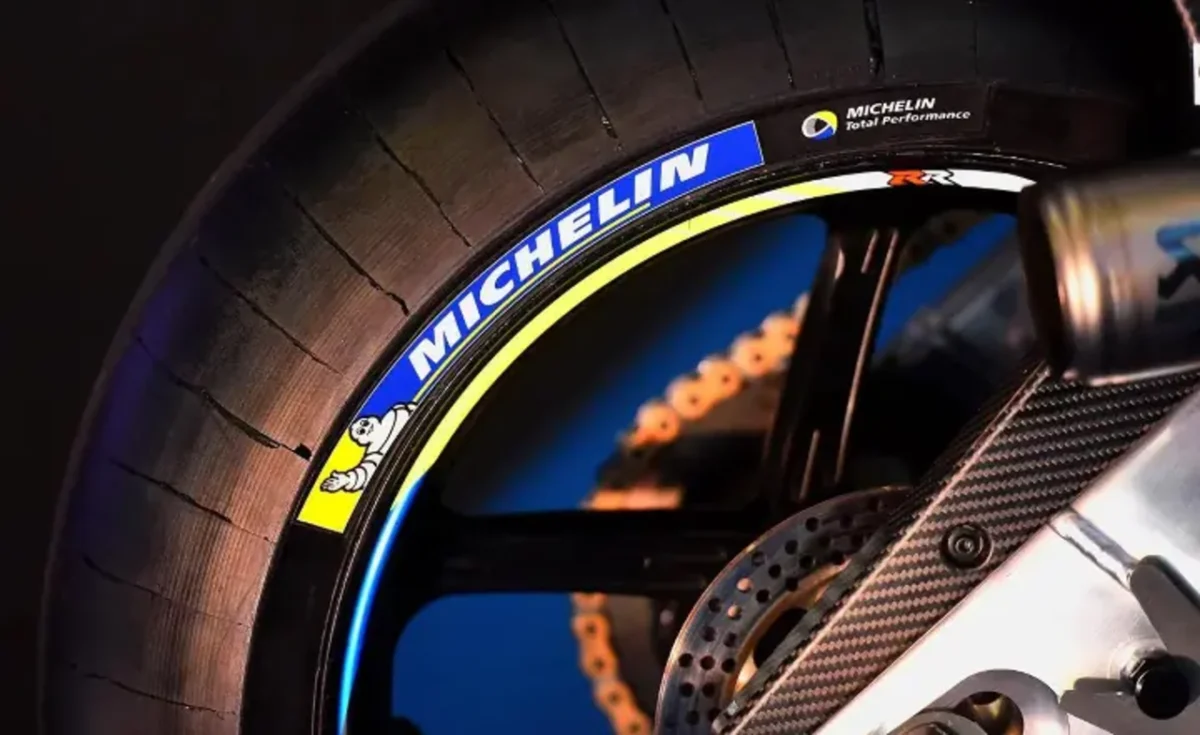
The Superbike World Championship is preparing for its biggest technical shakeup in over two decades. Starting in 2027, Michelin will officially replace Pirelli as WorldSBK’s exclusive, sole tire supplier.
This move completes a direct supplier swap across premier two-wheeled racing series, with Michelin departing MotoGP for WorldSBK while Pirelli moves in the opposite direction.
Say Goodbye to Pirelli and the Qualifying Tire Concept
Ahead of the transition, Michelin two-wheeled motorsport boss Piero Taramasso confirmed that the long-standing qualifying tire concept will be scrapped entirely.
Since 2004, Pirelli has supplied ultra-soft qualifying compounds for Superpole sessions and sprint races, but Michelin is completely retiring the formula.
Taramasso cited cost management and material sustainability as primary drivers behind the decision, noting that single-use qualifying rubber creates unnecessary manufacturing waste.
Instead, WorldSBK riders will be forced to set their grid-qualifying times on the same durable race-spec tires used during full-distance feature races.
Additionally, Michelin is completely eliminating intermediate tires from its WorldSBK competition catalog.
Pointing out that intermediate compounds possess an extremely narrow operational window between wet and dry asphalt, Taramasso explained that the rubber sees far too little actual track use to justify production and logistics costs.
As a result, WorldSBK competitors will no longer have a middle-ground compound when dealing with changeable weather conditions. When rain begins to fall, riders will have to choose strictly between standard dry slick options or full-wet tread patterns.
To compensate for dropping specialized qualifying and intermediate rubber, Michelin is expanding its race-slick development by introducing asymmetric tire constructions.
Designed to handle severe single-sided heat and mechanical loads, these specialized asymmetric options will target demanding circuits such as Phillip Island, Estoril, and Most.
Regarding weekend allocations, Michelin plans to provide teams with three distinct front options and three rear options for every race meeting. This streamlined structure closely mirrors Michelin’s current operational model in MotoGP, focusing entirely on race pace rather than short-burst qualifying performance.
Sources: Motorcycle.com, Crash
The supplier change also puts fresh attention on the manufacturers racing in this series, including Bimota’s return to World Superbike.
