
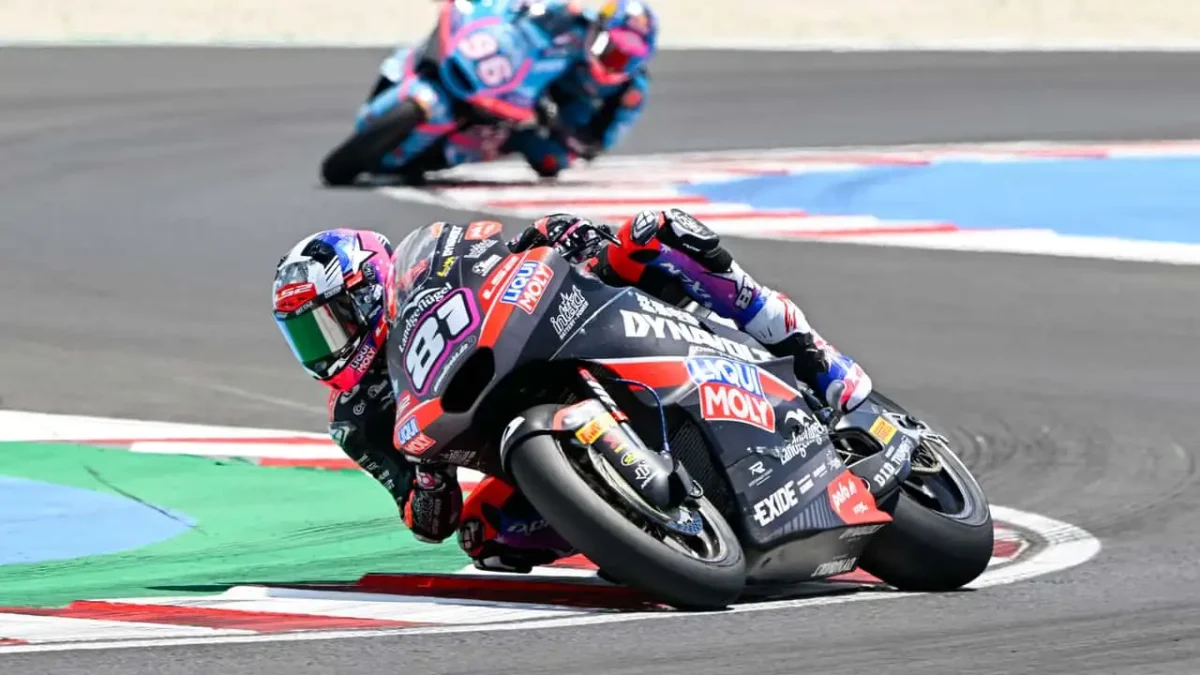
Triumph Motorcycles has officially announced a comprehensive redesign of its Moto2 race engine set to debut for the 2027 season. The overhauled inline-triple promises higher overall output, lighter weight, and improved torque delivery.
Built upon nearly two million kilometers of rigorous Moto2 competition data gathered since becoming the single engine supplier in 2019, this updated powerplant represents a major technical leap forward for the British manufacturer.
Get Ready for the Next Street Triple
The redesigned 765cc mill of the Triumph machine features a host of internal performance enhancements aimed at squeezing out maximum track efficiency.
Key upgrades include a re-engineered cylinder head, a low-inertia valvetrain, optimized high-flow intake ports, and a redesigned combustion chamber that significantly bumps up compression ratios. Additionally, Triumph completely reworked the crankcases and internal rotating components to handle the increased load.
Together, these internal revisions deliver a claimed 6 percent increase in peak power while shedding 4.4 pounds (2 kg) from the engine assembly. This weight loss and performance boost will require chassis constructors like Kalex to tweak their frame designs, adjusting engine mounts and air intake routing to accommodate the altered architecture.
While Triumph’s official press release centers entirely on Grand Prix racing, the overhaul carries major implications for road riders.
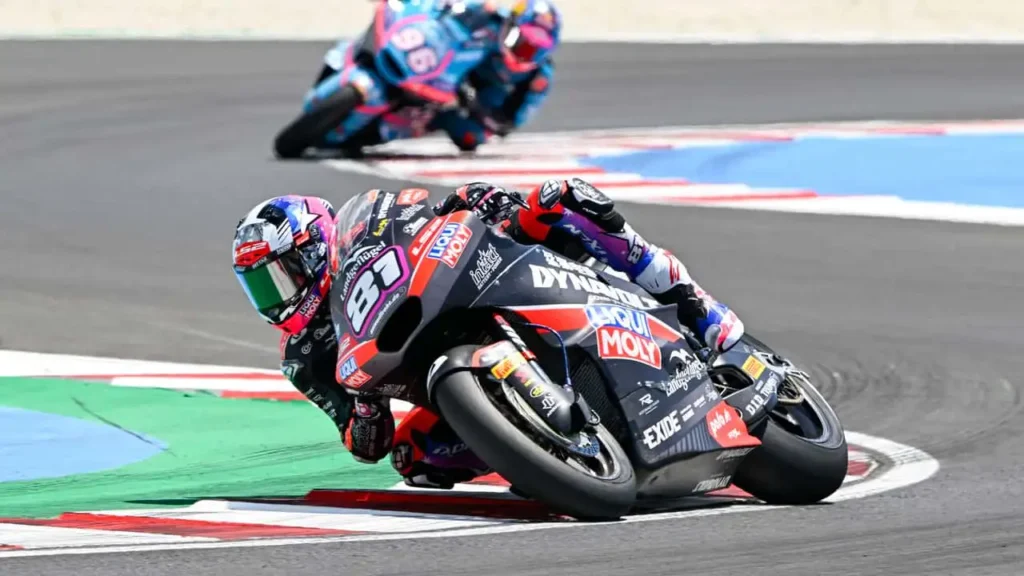
The current Moto2 engine platform was initially developed alongside Triumph’s road-going Street Triple 765 RS production motorcycle. The brand leans heavily on this direct connection between its track prototypes and showroom models as a core marketing pillar.
Historically, race track development at Triumph flows directly into consumer showrooms. When Triumph upgraded the Moto2 engine specs in previous seasons, those high-compression internal parts and valvetrain refinements eventually trickled down to production Street Triple models.
With the new 2027 Moto2 engine pushing performance boundaries even higher, industry experts anticipate that these race-proven internal upgrades will form the blueprint for the next generation of Street Triple production bikes.
Riders can likely expect future production models to feature higher rev limits, improved power-to-weight ratios, and sharper throttle response directly derived from the Grand Prix grid.
The engine announcement also arrives during a wider product push, following Triumph’s 29-bike launch.
