
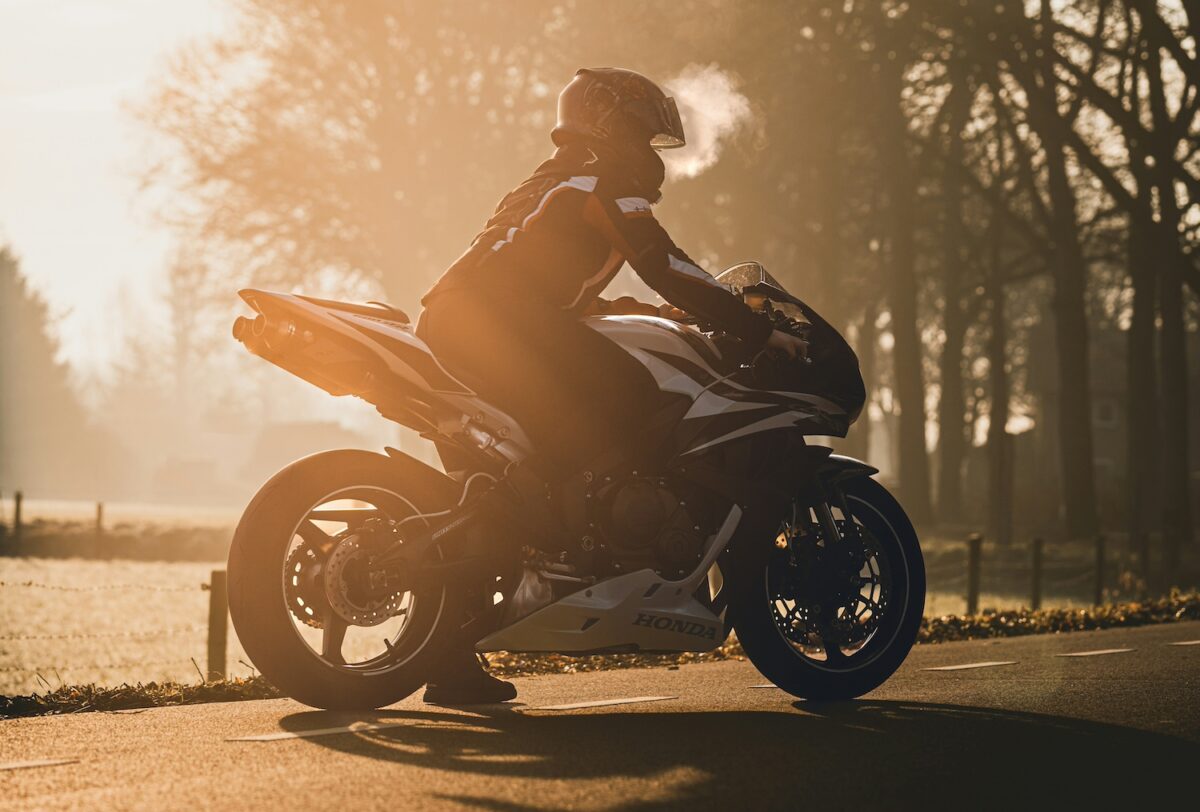
Cold weather doesn’t have to end your season. It just means you need to think a little more about what you’re wearing before you throw a leg over. I usually ride year-round, but that means I need to be smart about my gear choices.
The good news is that layering for riding isn’t complicated once you understand the logic behind it.
Start With the Right Base Layer
The base layer is doing the hardest job. It sits against your skin and its only goal is to keep you dry. Sweat is your enemy in cold weather because once you’re damp, you get cold fast.
Skip cotton entirely. It absorbs moisture and holds it there. What you want is a moisture-wicking synthetic or merino wool layer that pulls sweat away and keeps you feeling dry even when you’re working hard at low speeds. Something like the Under Armour ColdGear Base Layer is a solid starting point and costs less than a tank of gas.
Merino wool is worth the extra money if you run cold. It regulates temperature better than synthetics and doesn’t hold odor, which matters on longer rides.
The Mid Layer Is About Warmth, Not Bulk
Once you have a good base, the mid layer’s job is insulation. The trap most riders fall into here is going too thick. A puffy jacket under your riding jacket sounds like a good idea until you’re trying to reach the handlebars and your arms feel like sausages.
What works better is a thin but warm fleece or a lightweight down vest. The vest approach keeps your core warm without restricting arm movement. If temps drop below freezing, a full slim-fit fleece or a heated liner changes the game entirely. The Gerbing heated liner options are worth a look if you ride in genuinely cold conditions regularly.
The key is that your mid layer needs to fit under your riding jacket without bunching or pulling. Try it on with your jacket before you commit to it.
Your Riding Jacket Is the Outer Shell
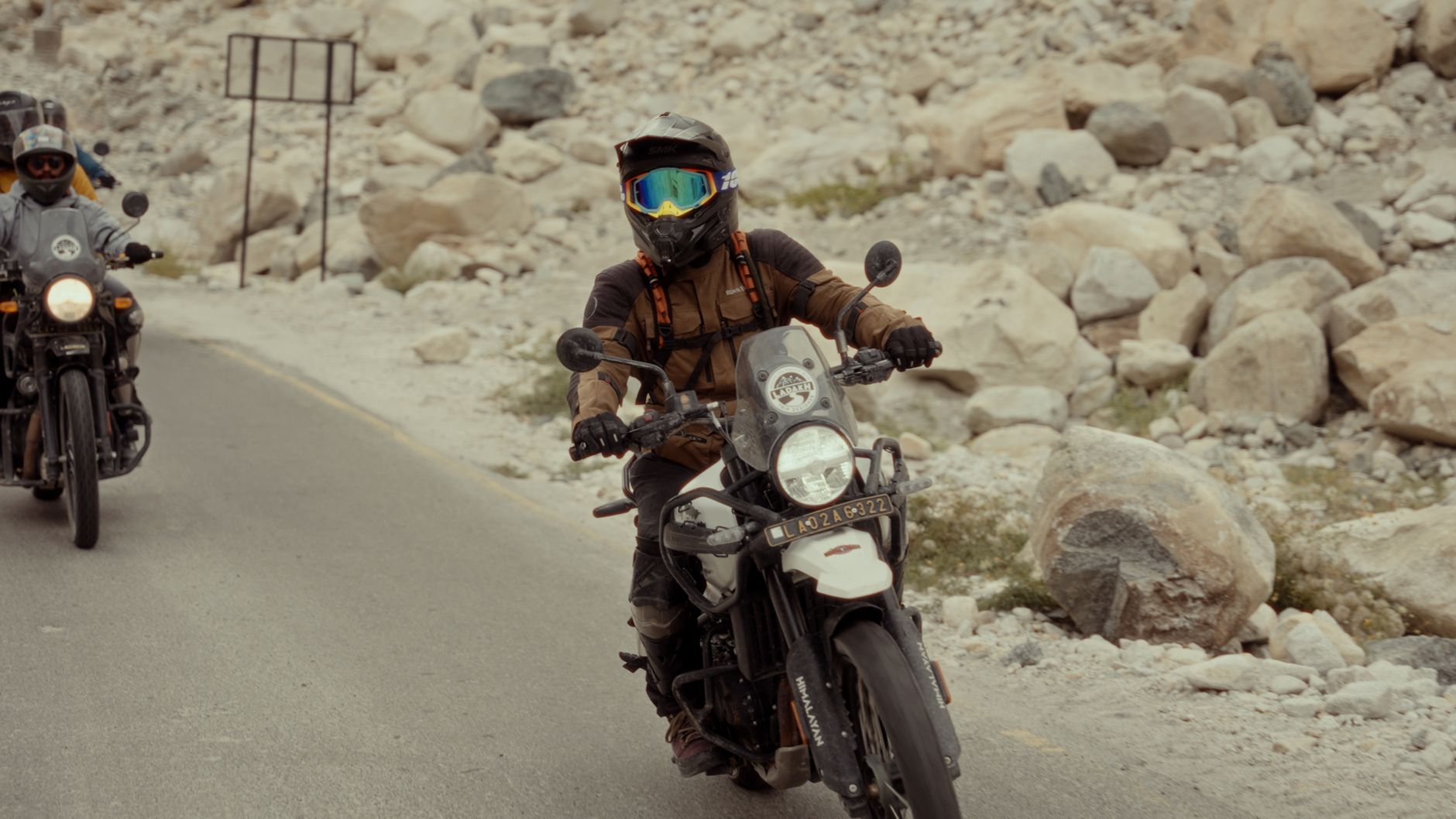
Your jacket is doing double duty in cold weather: wind protection and impact protection. A good textile touring jacket with a zip-out thermal liner handles both. If your jacket doesn’t have a liner, that’s where a mid layer becomes non-negotiable.
Wind is what actually kills you in cold temps. Even a 40-degree day feels brutal at highway speeds with wind cutting through. Make sure your jacket seals at the wrists and collar. Gauntlet gloves that overlap the jacket cuff make a big difference here.
Don’t Forget Your Legs
Most riders obsess over their upper body and forget their legs until they’re already miserable. Thermal base layer pants under your riding pants make a significant difference. If you’re on a longer ride in serious cold, look at textile overpants with a liner, or a set of motorcycle rain pants worn over your regular pants, which also cuts wind effectively.
Hands and Feet Matter More Than You Think
Your extremities lose heat fastest. Cold hands slow your reaction time, which is a safety issue, not just a comfort one. Winter-specific gloves with windproof shells and insulation are worth having as a dedicated cold-weather piece. Heated grips are also one of the better investments you can make for under $50.
For feet, a taller boot with less mesh ventilation helps. Wool socks over a thin liner sock add warmth without making your boots too tight, which actually restricts circulation and makes cold feet worse.
The System Matters More Than Any Single Piece
The mistake most riders make is buying one “warm” item and expecting it to solve everything. Layering works because each piece handles a specific job. Get the system right and you can ride comfortably well into temperatures that would have otherwise forced the bike into the garage for the season.
You might also enjoy:
Start with a quality base layer, add a slim mid layer for insulation, seal it with your riding jacket, and pay attention to your extremities. That’s really all there is to it.
