
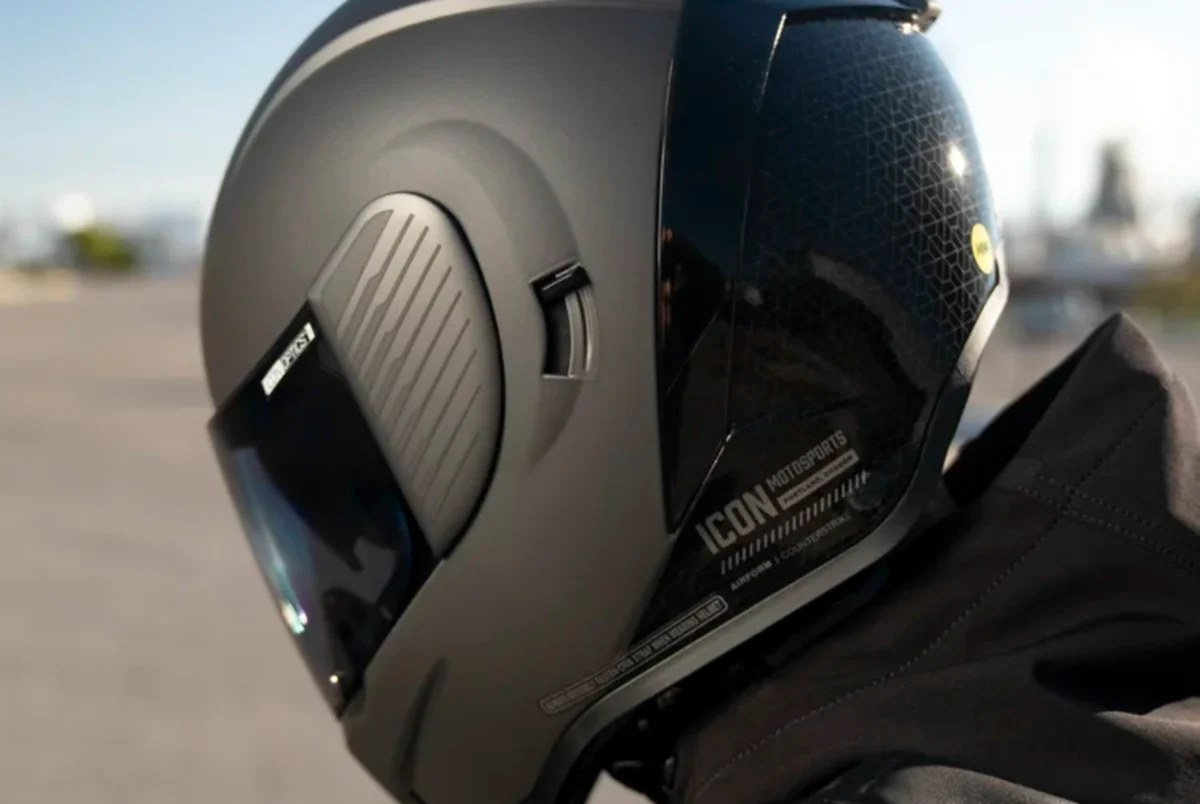
Spending a lot on a helmet does not automatically mean getting a better helmet. The sub-$300 range has matured significantly, with real safety certifications, quality shell construction, and useful features that used to cost twice as much. The helmets below prove that point clearly.
Every pick here carries DOT certification at minimum. Most carry ECE 22.06 as well, which is the more rigorous standard. None of them feel like compromises once you put them on.
What to Expect at This Price Point
At this level you will find polycarbonate shells from reputable brands, decent ventilation systems, and most of the comfort features that matter day to day. You are generally trading some weight savings and premium liner materials compared to flagship helmets, but the actual protection levels are legitimate.
ECE 22.06 is worth prioritizing over DOT-only helmets if safety ratings matter to you. The ECE standard tests more impact scenarios and is harder to pass. MIPS, which addresses rotational forces in angled impacts, appears in a few helmets at this price and is worth seeking out when it does. Drop-down sun visors have become common at this level, and the good ones are genuinely useful for day-to-night riding without stopping to swap shields.
Fit matters more than any feature list. A well-fitted polycarbonate helmet from a reputable brand will protect you better than a premium helmet that does not fit your head shape properly. If you can try before you buy, do it.
HJC i10 Full Face Helmet
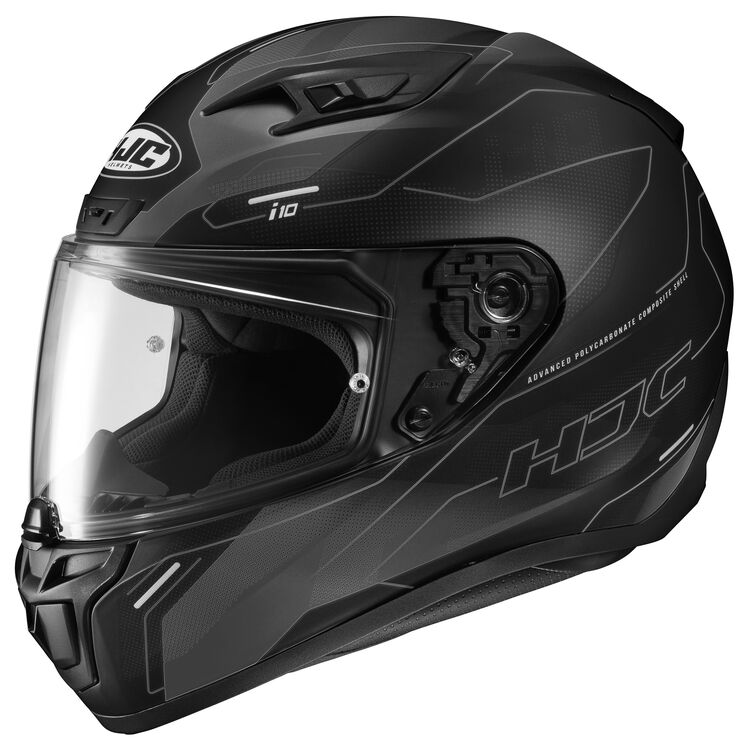
The HJC i10 is the benchmark for value in full-face helmets at this price point. It is well-ventilated with a functional chin bar and crown vent system, fits a wide range of head shapes, and HJC’s quality control is reliably consistent across sizes and colorways. DOT and ECE 22.06 certified.
The integrated drop-down sun visor works smoothly and seals well enough to be genuinely useful rather than just a checkbox feature. The interior comfort liner is removable and washable, which matters for long-term ownership. The weight is reasonable for a polycarbonate helmet. For newer riders, second-lid buyers, or anyone who wants proven performance at a sensible price, the i10 is hard to argue against.
Check it out at Revzilla
Check it out at Amazon
Bell Qualifier DLX MIPS
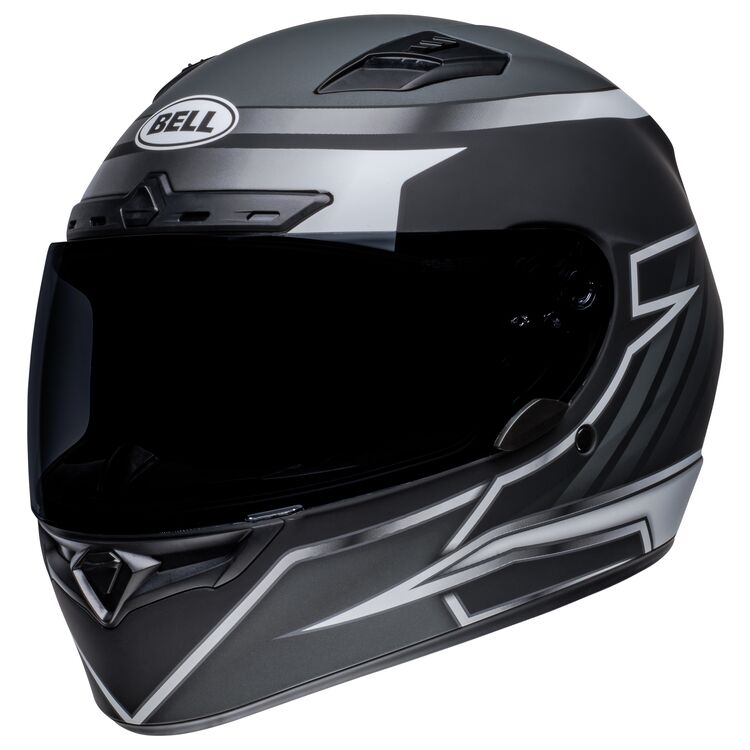
MIPS in a helmet at this price is genuinely noteworthy. The Multi-directional Impact Protection System adds a low-friction layer inside the helmet that allows the shell to rotate slightly relative to your head during an angled impact, reducing the rotational forces transmitted to your brain. Most helmets at this price do not include it.
On top of the safety story, the Qualifier DLX adds a drop-down sun visor, a Transitions-ready shield port for photochromic lenses, and a solid ventilation system. The fit tends toward intermediate oval. Wind noise management is better than average for the price. If you want the most safety technology per dollar in this category, the Qualifier DLX MIPS is the pick.
Check it out at Revzilla
Check it out at Amazon
Scorpion EXO-R420 Full Face Helmet
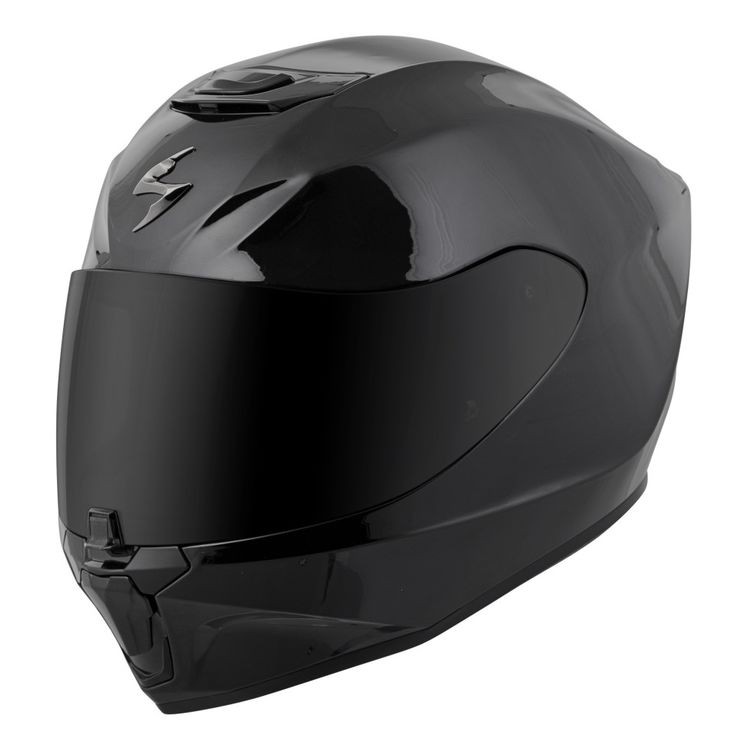
The EXO-R420 delivers a premium feature set at a price that does not feel premium. The SpeedView drop-down sun visor deploys and retracts cleanly. The EverFit interior system uses four different cheek pad sizes to let you dial in the fit precisely. The visor mechanism uses a tool-free release for quick swaps. DOT certified.
Ventilation is above average for this price range, with intake at the chin bar and brow vents feeding channels through the top. The fit tends toward intermediate oval and runs slightly large compared to some brands, so sizing down is worth considering. Scorpion builds a polished helmet here, and the attention to ergonomic details shows in daily use.
Check it out at Revzilla
Check it out at Amazon
AGV K3 Full Face Helmet
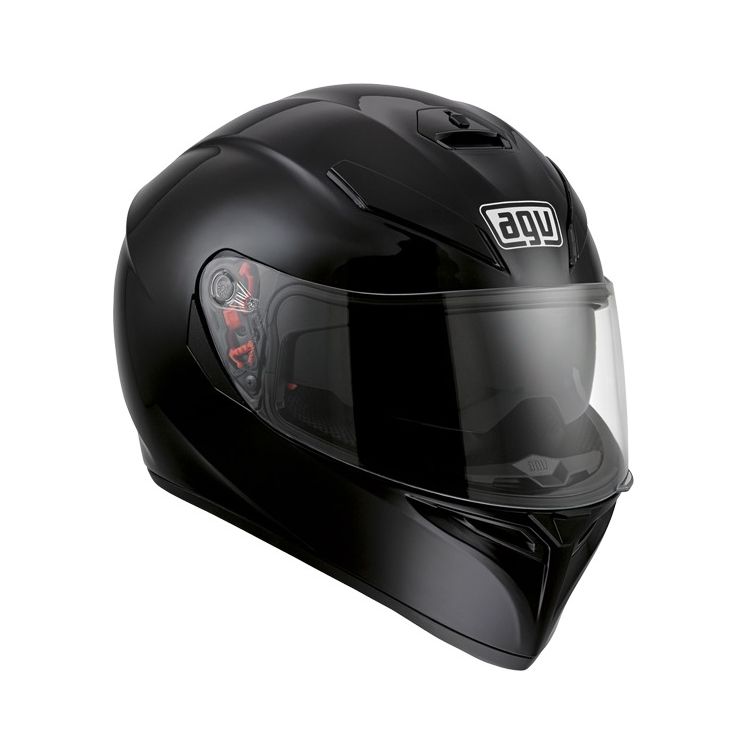
AGV brings legitimate sport heritage down to an accessible price with the K3. ECE 22.06 certified, built on a polycarbonate shell with a sport-forward profile that reflects the brand’s MotoGP DNA. The ventilation system flows more air than the price suggests, with five intake vents and three exhaust vents moving air actively through the helmet.
The integrated sun visor is smooth and well-sealed. The interior uses Shalimar fabric that is comfortable against the skin and manages moisture reasonably well on warm days. The fit tends toward intermediate to round oval. For sport and sport-touring riders who want AGV quality without the flagship cost, the K3 is one of the better options in the category.
Check it out at Revzilla
Check it out at Amazon
Icon Airform Full Face Helmet
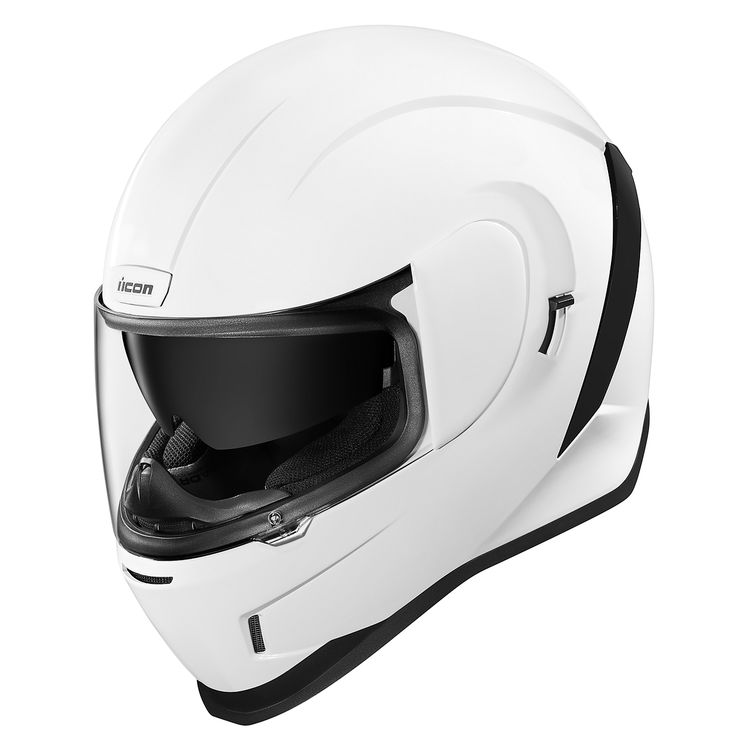
The Airform takes a more aggressive approach to styling than the other picks here, with a sport-retro aesthetic that stands out on the road. The silhouette is clean and aggressive without crossing into costume territory. DOT certified, lightweight polycarbonate shell, and better-than-expected ventilation for a helmet that prioritizes looks.
The interior is plush for this price point, with a moisture-wicking liner and reasonable cheek pad comfort. The visor mechanism is solid with a good anti-fog coating option. This is the pick if you want something that looks genuinely different from the sea of matte-black touring helmets, and you are willing to trade MIPS and ECE for that aesthetic.
Check it out at Revzilla
Check it out at Amazon
LS2 Rapid III Full Face Helmet
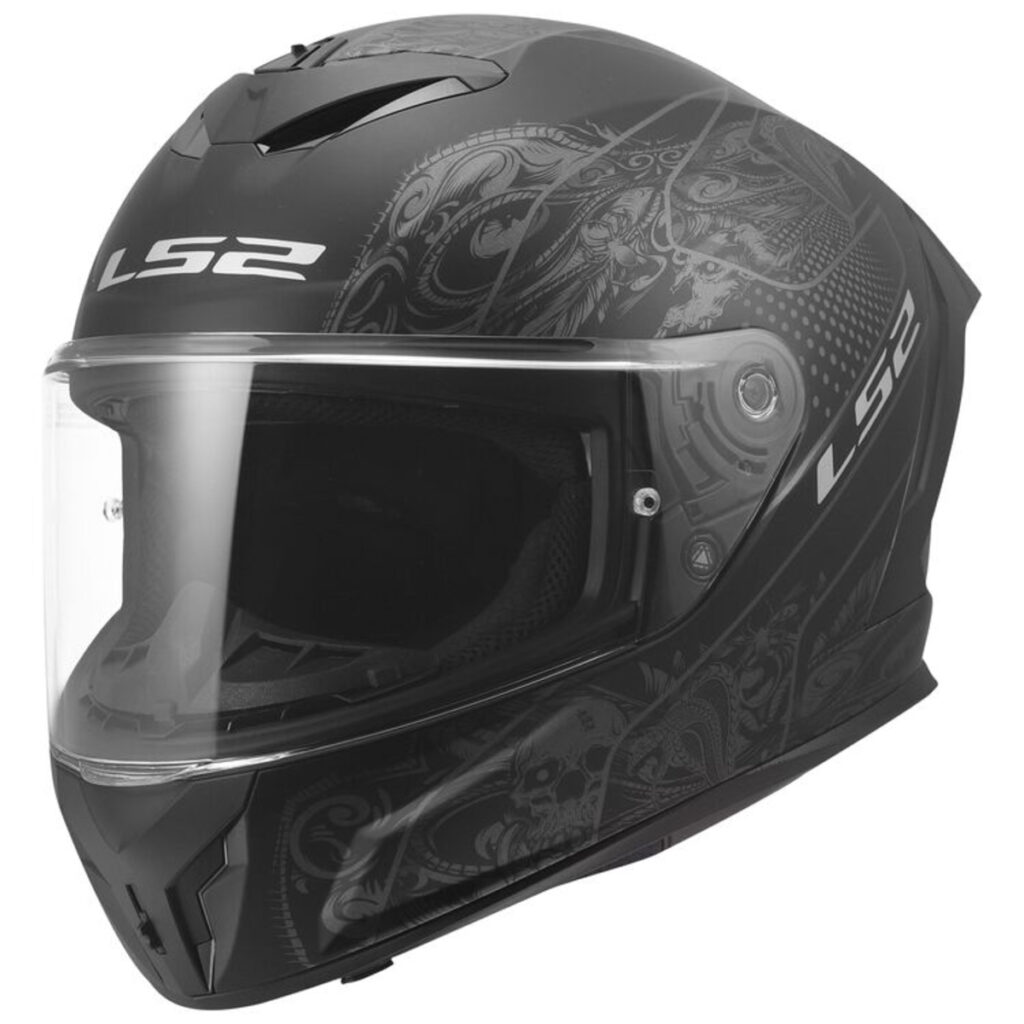
DOT and ECE 22.06 certified at a genuinely budget-friendly price within this range. The Rapid III is a clean, no-nonsense full-face helmet that covers the basics competently. The ventilation system works, the visor mechanism is smooth, and the interior liner is comfortable enough for everyday riding.
This is the pick for riders who want dual certification at the lowest possible cost, or who need a reliable spare helmet without spending more than necessary. LS2 has built a solid reputation for delivering legitimate safety at accessible prices, and the Rapid III is a consistent example of that approach.
Check it out at Revzilla
Check it out at Amazon
How to Pick the Right Helmet for Your Riding Style
Commuters and touring riders get the most out of helmets with integrated sun visors and good wind noise management. The HJC i10 and Bell Qualifier DLX MIPS are the strongest options here for that use case.
Sport riders who spend time at higher speeds will appreciate the more aggressive fitment and aerodynamics of the AGV K3 and Icon Airform. Safety-focused buyers who want the most protection technology per dollar should start with the Bell Qualifier DLX MIPS specifically for the MIPS inclusion.
If you are buying your first helmet and are not sure about head shape, HJC and Scorpion both fit a wide range of head geometries and are the safest choices when you cannot try before you buy.
Frequently Asked Questions
Is a $300 helmet safe enough?
Yes. DOT and ECE 22.06 certification means a helmet has passed standardized impact testing regardless of price. The certifications on helmets in this range are the same standards applied to helmets at three times the cost. What you typically gain by spending more is lighter weight, premium liner materials, better aerodynamics, and more refined features, not fundamentally better protection.
What is the difference between DOT and ECE 22.06?
DOT is a self-certification standard used in the United States where manufacturers test their own products. ECE 22.06 is a European standard with independent third-party testing that covers more impact scenarios and is generally considered more rigorous. A helmet with both certifications has passed more testing than a DOT-only helmet.
What is MIPS and do I need it?
MIPS stands for Multi-directional Impact Protection System. It is a low-friction layer inside the helmet that reduces rotational forces during angled impacts, which are the most common type in real crashes. It does not affect the helmet’s standard impact performance. Whether you need it is a personal decision, but it adds a meaningful safety dimension that standard certifications do not test for.
How often should I replace my motorcycle helmet?
Most manufacturers recommend replacing helmets every five years regardless of visible condition. The expanded polystyrene foam inside degrades over time from UV exposure, sweat, and general use, reducing its ability to absorb impact energy. Replace immediately after any impact, even one where no damage is visible.
Does helmet fit affect safety?
Significantly. A helmet that is too large can rotate during impact, reducing the protection the shell provides. One that is too small may not sit correctly on your head. A proper fit means the helmet sits level, does not move when you try to rock it with your hands, and has even cheek pad pressure without painful hotspots.
Are polycarbonate helmets less safe than composite helmets?
Not when they meet the same certifications. Composite shells, which use fiberglass, carbon fiber, or aramid blends, are typically lighter and can be made thinner while meeting the same safety standards. Polycarbonate helmets absorb energy through controlled deformation and can be just as protective. The material affects weight and feel more than it affects certified safety performance.